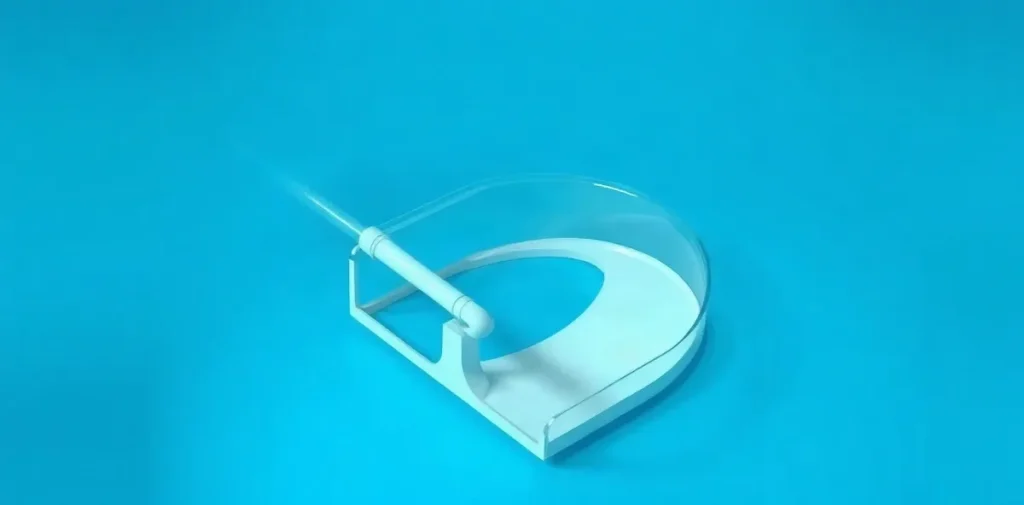
Added Respiratory Dead Space (Value in Personnel Selection tests) (Physiological Effects Under Diving Conditions) is a 1956 journal article by Lanphier, published in Nitrogen-Oxygen Mixture Physiology. Phase 5 AD0725851. Its subject is the possible relevance of added respiratory dead space to personnel selection under diving conditions—a question linking breathing mechanics with the demands placed on divers.
What does added respiratory dead space mean?
During normal breathing, some inhaled gas remains in the conducting airways, where gas exchange does not occur. This is anatomical dead space. Added dead space is extra volume in the breathing pathway that also contributes to each breath without directly exchanging oxygen and carbon dioxide with blood.
In diving, breathing equipment and the surrounding pressure environment shape how gas moves between the diver and the breathing system. Added volume can make a portion of each breath less effective for gas exchange. The body may compensate by changing breathing depth, rate, or both, but the effort and consequences depend on the conditions.
Why does dead space matter underwater?
Ventilation must remove carbon dioxide as well as supply oxygen. When more of each breath is occupied by dead space, effective alveolar ventilation—the fresh gas reaching the parts of the lungs where exchange occurs—can fall unless breathing changes. Carbon dioxide retention can impair performance and, in severe circumstances, contribute to confusion or loss of consciousness.
Underwater, breathing is already affected by equipment resistance, gas density, posture, exertion, and pressure. These factors can interact rather than act separately. Added dead space is therefore relevant not only as a volume in a breathing circuit, but as one part of the diver’s total ventilatory load.
How does personnel selection connect to physiology?
The title places dead space in the context of personnel selection tests. Such a framing raises a general question: can a physiological measure or test help assess whether a person is suited to a task with unusual breathing demands? For diving, that question must be considered alongside the actual equipment, workload, environment, and the person’s capacity to ventilate.
A selection test is not interchangeable with a diagnosis or a prediction of safety in every dive. A response measured under one set of conditions may not represent performance under another. Clinicians and researchers need to distinguish the property being measured from the practical outcome they hope it will predict.
Which concepts help interpret this subject?
Several related ideas help explain why added dead space attracts attention in diving physiology:
- Dead-space ventilation: the portion of breathing that does not directly support gas exchange.
- Alveolar ventilation: fresh gas reaching the lung regions where oxygen and carbon dioxide are exchanged.
- Carbon dioxide clearance: the removal of carbon dioxide through ventilation, which can be challenged when effective ventilation is reduced.
- Work of breathing: the effort required to move gas through the respiratory system and breathing equipment.
- Personnel selection: the use of tests to consider suitability for work demands, which requires careful attention to what a test can and cannot predict.
These concepts are connected, but they are not substitutes for one another. A measurement of breathing or gas exchange must be interpreted in relation to the conditions under which it was obtained.
Where does this topic fit in diving research?
Diving physiology examines how pressure, breathing gases, equipment, and physical work affect the human body. Questions about dead space sit alongside broader investigations of ventilation, carbon dioxide, respiratory load, and the design and use of breathing systems. They also connect laboratory or selection testing with the practical demands of underwater work.
The 1956 publication’s title situates its subject within research on nitrogen-oxygen mixture physiology and the physiological effects of diving conditions. Its focus remains relevant as a way to frame the relationship between breathing-system characteristics and human performance. Any individual assessment of fitness to dive belongs with a qualified diving-medicine physician.
Frequently asked questions
What is added respiratory dead space?
How can dead space affect a diver?
Does a selection test determine whether someone can dive?
Citation details
- Title: Added Respiratory Dead Space (Value in Personnel Selection tests) (Physiological Effects Under Diving Conditions)
- Authors: Lanphier, E. H
- Year: 1956
- Published in: Nitrogen-Oxygen Mixture Physiology. Phase 5 AD0725851
- Record type: Journal article
- Repository record: Rubicon Research Repository, handle 123456789/3809
This page is an original summary written by the Rubicon editors from the publication’s bibliographic record. It does not reproduce the paper, its abstract or its data; consult the publication itself for its methods and findings.
Related reading on Rubicon
- Diving Science: Key Physiological and Environmental
- Diving Physics: Gas Laws, Pressure Effects, and Safety
- Exploring Raja Ampat Diving: Essential Gear and Conditions
- The Diving Reflex: What Happens Underwater
- Added Respiratory Dead Space in Diving
- Navy Experimental Diving and the Science of Inner Space
- More on Diving Science
- Browse the Research Library