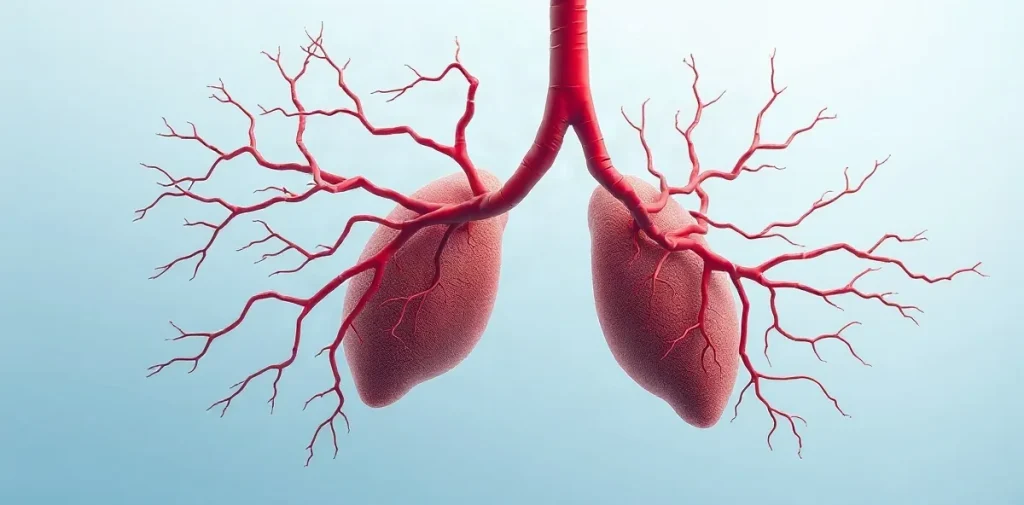
Minimum ΔP for bubble formation in pulmonary vasculature is a publication by D. J. Sass about the pressure conditions associated with bubbles forming in the blood vessels of the lungs. The subject links gas physics with pulmonary circulation and matters because bubbles can affect how the body responds to diving and pressure changes.
What does ΔP mean in this context?
ΔP denotes a pressure difference: the difference between pressures in two locations or states. In a question about bubble formation, that difference matters because gas can come out of solution when local conditions favour a separate gas phase. The precise meaning depends on which pressures are being compared.
Blood carries dissolved gases, including inert gas taken up during a dive. As surrounding pressure changes, gas exchange and the balance between dissolved gas and gas bubbles can change too. Bubble formation is not governed by pressure alone; dissolved gas, tissue and blood properties, and the presence of sites where bubbles can develop also matter.
Why focus on the pulmonary vasculature?
The pulmonary vasculature is the network of blood vessels that carries blood through the lungs. It is central to gas exchange: blood arriving from the body releases carbon dioxide and takes up oxygen as it passes through the lung circulation. Bubbles entering or forming in this network therefore raise questions about both circulation and respiratory function.
In diving medicine, gas bubbles are relevant to decompression illness, but their presence does not by itself establish that a diver is ill. The lungs also filter and handle venous blood returning from the body, making pulmonary circulation an important part of the broader study of bubbles and decompression stress.
What does bubble formation involve?
Bubble formation is the transition from gas dissolved in a liquid to a distinct gas phase. In biological systems, this process can be influenced by local pressure, gas tension, surface tension and microscopic nuclei that provide a starting point for bubble growth. A pressure threshold is therefore a way to frame a physical question, not a complete description of every biological condition.
Researchers studying this problem need to distinguish bubble initiation from later growth and transport. A bubble that begins in one location may change as pressure and gas exchange continue; its effects depend on where it is, how it behaves, and how the surrounding circulation responds.
- Pressure difference: the mechanical conditions relevant to gas leaving solution.
- Dissolved gas: gas carried in blood and tissues, whose balance changes with pressure.
- Nucleation: the initiation of a new gas phase at a site where a bubble can form.
- Pulmonary circulation: the lung blood-vessel network through which gas exchange takes place.
How does the question fit into diving research?
Decompression research examines how inert gas is taken up under pressure and released as pressure falls. Models of decompression must account for processes that occur across tissues and blood, while bubble research asks when gas separates from solution, where it travels, and what consequences follow. The pulmonary circulation is one important setting within that larger problem.
A threshold question can help define the physical conditions under which a process might begin. It does not, on its own, determine a safe ascent profile or diagnose decompression illness. Those decisions involve the diver’s exposure, symptoms, examination and the clinical context.
Why does this matter in clinical practice?
For diving physicians and hyperbaric clinicians, understanding bubble behaviour helps place symptoms and decompression exposure within a physiological framework. Pulmonary effects can be especially important when a diver has breathing or circulatory symptoms after a dive, but those symptoms require clinical assessment rather than an inference from a pressure concept alone.
This subject is also relevant to scientific divers, whose work may involve repeated or demanding exposures. Dive planning, ascent procedures and fitness-to-dive decisions should follow applicable professional protocols. Anyone with symptoms after diving should seek prompt assessment by a diving-medicine physician or emergency service.
Frequently asked questions
Does ΔP mean the same pressure in every study?
Do bubbles in blood always cause decompression illness?
Can a pressure threshold determine a safe dive plan?
Citation details
- Title: Minimum <delta>P for bubble formation in pulmonary vasculature
- Authors: D. J. Sass
- Record type: Publication
- Repository record: Rubicon Research Repository, handle 123456789/5257
This page is an original summary written by the Rubicon editors from the publication’s bibliographic record. It does not reproduce the paper, its abstract or its data; consult the publication itself for its methods and findings.