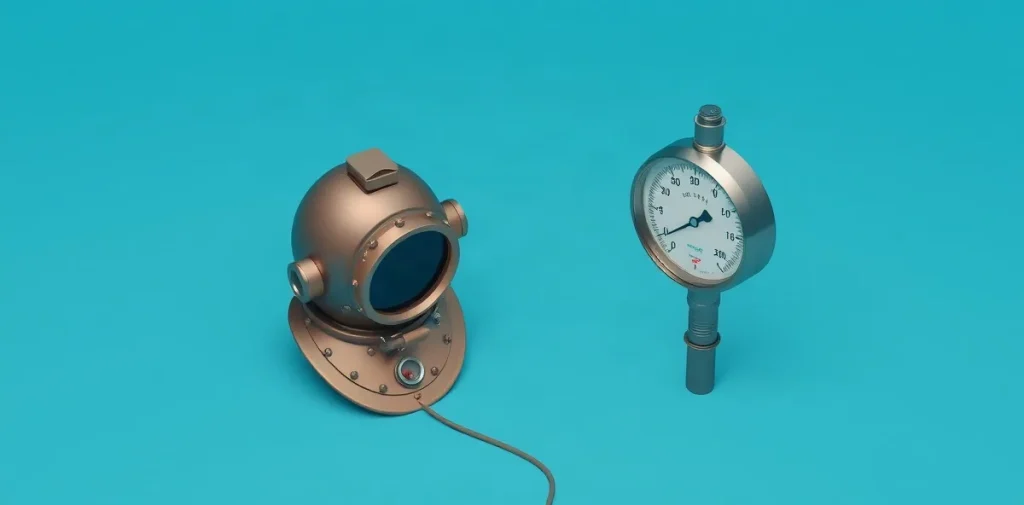
History of diving is a 1975 journal article by Edmonds and colleagues, published in the Journal of the South Pacific Underwater Medicine Society. Its subject is the development of diving: a history that matters because changes in underwater methods and equipment have shaped the risks divers face and the questions medicine must answer.
Why does diving history matter to medicine?
Diving places the body in an environment where pressure, breathing gas and time interact. As diving methods developed, so did the practical problems of staying underwater and returning safely. A historical account can help readers see how operational practices and medical concerns arose together.
For diving physicians and hyperbaric clinicians, history offers context for familiar problems rather than a substitute for current evidence. Decompression illness, pressure-related injury and breathing-gas hazards are easier to understand when considered alongside the ways people dive and the equipment they use.
Which physiological concepts shape the history?
Pressure increases with depth. It affects gas volumes and the amount of gas dissolved in body tissues; during ascent, changing pressure can allow dissolved inert gas to form bubbles. The balance between depth, time and ascent is therefore central to decompression practice.
Breathing gas also matters. Its density and composition affect breathing and the body’s response to exposure; the relevant hazards depend on the gas mixture, depth and duration. These principles connect the history of diving to physiology, equipment design and the management of exposure.
- Ambient pressure: the surrounding pressure changes with depth and affects gas behaviour.
- Decompression: ascent must account for inert gas taken up under pressure.
- Breathing gas: composition and density influence the demands and hazards of underwater breathing.
- Exposure: depth and time help determine the physiological stresses of a dive.
How do equipment and practice change the risks?
Diving depends on systems that supply breathing gas and support a diver underwater. Changes in those systems alter how a dive is conducted, what exposures are possible and which failures require attention. The technical history is therefore also part of the history of safety.
A historical perspective can prompt useful questions: how was a diver supplied with gas, how was depth controlled, and how did the diver return to the surface? For scientific divers, these questions matter because a method must support both the research task and safe management of the dive.
Where does a historical account fit in diving research?
Diving research spans physiology, clinical medicine, equipment and operational safety. Historical work supplies context for that wider field: it helps readers track how practical problems became subjects for observation, clinical care and technical investigation.
History does not replace contemporary guidance or establish what is safe for a particular dive. Practices and equipment change, and a diver’s health and exposure profile matter. For an individual medical or return-to-diving decision, consult a physician with diving-medicine expertise.
Frequently asked questions
What is the subject of History of diving?
Why is decompression important in diving?
Can historical context guide an individual diving decision?
Citation details
- Title: History of diving
- Authors: Edmonds, C; Lowry, C; Pennefather, J
- Year: 1975
- Published in: Journal of the South Pacific Underwater Medicine Society 5(2)
- Record type: Journal article
- Repository record: Rubicon Research Repository, handle 123456789/5894
This page is an original summary written by the Rubicon editors from the publication’s bibliographic record. It does not reproduce the paper, its abstract or its data; consult the publication itself for its methods and findings.