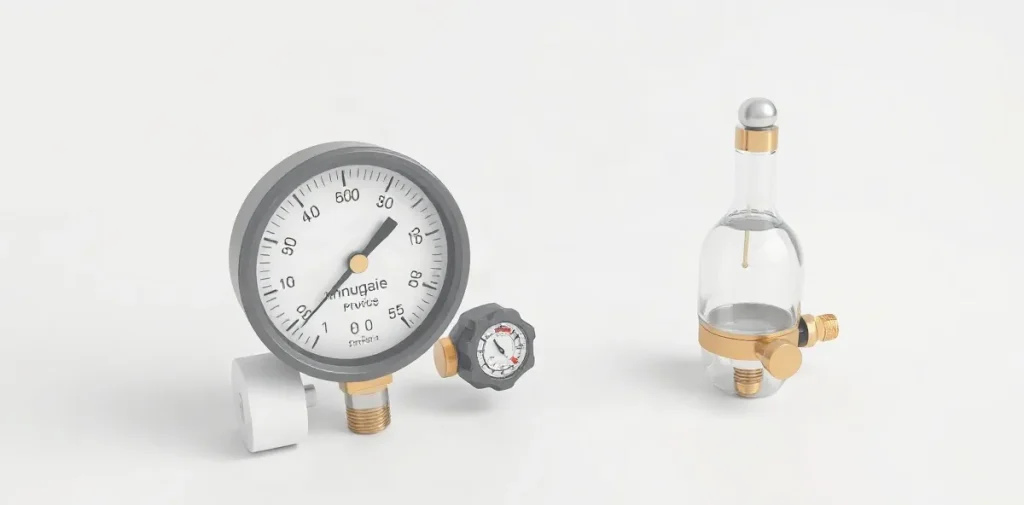
High-altitude military physiology examines how reduced oxygen availability and demanding environmental conditions affect the body and its ability to work. Its questions about breathing, circulation, oxygen transport and acclimatization also matter to divers: pressure changes, underwater breathing and ascent impose different stresses, but share core physiological systems.
What changes when oxygen availability falls?
At altitude, lower atmospheric pressure reduces the partial pressure of oxygen in inspired air. The lungs therefore have less pressure to drive oxygen into the blood, even though the composition of the air is broadly unchanged. This is hypobaric hypoxia: inadequate oxygen delivery caused by reduced ambient pressure.
The body responds by increasing ventilation and changing cardiovascular activity. These adjustments can support oxygen delivery, but they also affect breathing effort, heart workload, sleep and exercise capacity. Acclimatization is the set of physiological changes that develops during continued exposure; its course varies with the person, the altitude and the time spent there.
Why is this relevant to diving?
Diving presents pressure changes rather than the low ambient pressure of high altitude, but both environments challenge oxygen transport and respiratory function. Underwater, the density of breathing gas increases with pressure, breathing equipment adds resistance, and gas composition matters. During ascent, falling ambient pressure also affects dissolved gases and can create decompression stress.
The comparison is useful without treating altitude and diving as interchangeable. A diver who travels to a high-altitude site may face an additional low-pressure exposure after diving, while a scientific diver working in mountains may have to plan around exertion, cold, logistics and access to care. The physiological context changes with the sequence and combination of exposures.
What do studies in this field examine?
Research on military operations at altitude brings physiology into an operational setting: the question is not only how the body responds, but how those responses affect safe, sustained work. Studies in this area can examine ventilation, oxygenation, cardiovascular responses, physical performance, sleep, environmental exposure and the demands of equipment use.
Methods depend on the question. Researchers may compare responses across environmental conditions, observe changes during exposure and exertion, or assess how protective equipment alters workload. For diving medicine, the useful lesson is methodological: measure the relevant physiological response in the conditions where the person must perform, rather than assuming that a result from one environment transfers unchanged to another.
Which concepts connect altitude medicine with dive medicine?
Several shared concepts help frame the overlap. They are not a substitute for the distinct physiology of each environment, but they give clinicians and researchers a common vocabulary:
- Partial pressure: the pressure contributed by a gas in a mixture; it helps explain oxygen transfer and the effects of changing ambient pressure.
- Hypoxia: insufficient oxygen at the tissue level, which may arise through different mechanisms at altitude and underwater.
- Ventilation and gas exchange: movement of air and transfer of gases between lungs and blood, both central to breathing under stress.
- Workload: the combined demands of exertion, environment and equipment, which can increase physiological strain.
- Acclimatization: adjustments to continued exposure that should not be confused with immediate tolerance or fitness.
For diving physicians and hyperbaric clinicians, these concepts help separate oxygen availability from oxygen use, and environmental stress from individual capacity. A symptom or performance change needs interpretation in context, including depth, altitude, gas, exertion and the timing of exposures.
How does this research fit into the wider field?
High-altitude physiology sits alongside research on breath-hold diving, decompression and underwater equipment as part of a wider study of human performance under unusual environmental pressures. Each area asks how the body responds when ordinary conditions change, and how those changes interact with task demands and technology.
For divers, altitude research is most useful when planning transitions between environments or interpreting a combined exposure. It does not provide a universal rule for every dive or journey. If altitude exposure, decompression concerns or symptoms raise a medical question, consult a physician experienced in diving medicine.
Frequently asked questions
Is high-altitude hypoxia the same as a diving-related oxygen problem?
Why should divers understand acclimatization?
When should a diver seek medical advice about altitude and diving?
An original research-library explainer written by the Rubicon editors. It is not a summary of a specific publication.
Related reading on Rubicon
- The Science of Diving SSI: Education and Physiology Insights
- Diving Science: Physiology and Tech Behind Safe Dives
- The Physiology Behind Oxygen Toxicity in Deep Dives
- Understanding the Physiology of Breath-Hold Diving
- Lake Tahoe Diving and High-Altitude Physiology
- High-Mountain Medicine and Diving Physiology
- More on Dive Medicine
- Browse the Research Library