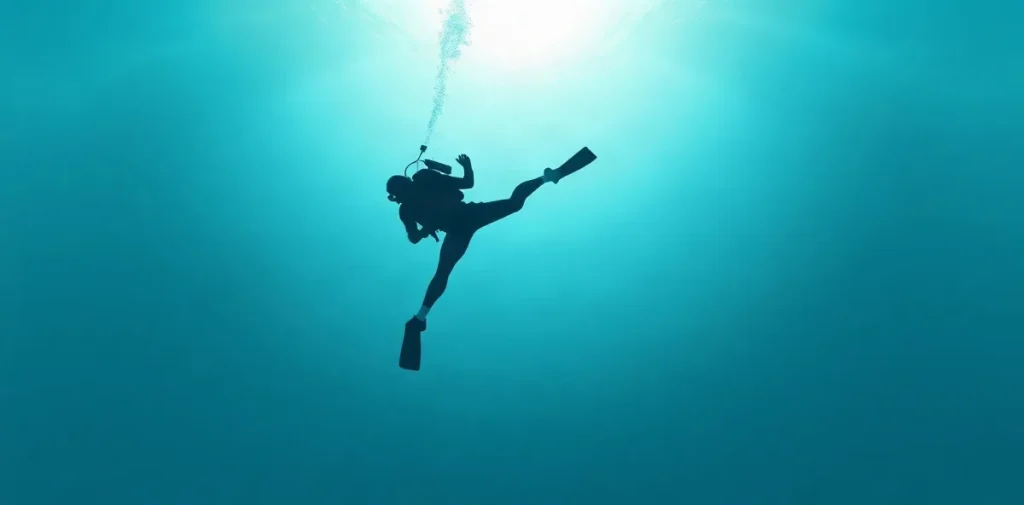
Hydrodynamics improves diver efficiency and safety by reducing water resistance and optimizing body positioning, which lowers energy expenditure and enhances control underwater. This leads to longer dive times, less fatigue, and decreased risk of accidents caused by poor maneuverability or excessive effort.
Understanding how water flows around the diver’s body and equipment is fundamental to mastering underwater movement. Hydrodynamics involves the study of these fluid forces, allowing divers to adopt streamlined postures and select gear that minimizes drag. By applying hydrodynamic principles, divers can move more smoothly and predictably through the water, conserving air and reducing physical strain.
This article explores the key ways hydrodynamics influences diving performance, from finning techniques to equipment design, and explains how these factors contribute to safer, more efficient dives. Whether for recreational, technical, or professional diving, mastering hydrodynamics is essential for enhancing underwater experience and wellbeing.
| Fin Model | Price (USD) | Hydrodynamic Feature | Propulsion Efficiency |
|---|---|---|---|
| Scubapro Seawing Nova | 180 | Split blade reduces turbulence | High |
| Mares Avanti Quattro+ | 130 | Four-vent blade channels flow | Moderate-High |
| Atomic Split Fin | 250 | Split fin design for laminar flow | High |
| Cressi Gara Modular LD | 120 | Long blade with vents | Moderate |
- 40% maximum drag reduction from streamlined positioning
- 25% increase in drag caused by turbulent flow around limbs
- 1.5–3 kg typical trim weight range for stable horizontal posture
- 0.7 m/s recommended maximum current speed for recreational dives
How does body positioning affect hydrodynamic drag during diving?
Impact of posture on drag
Body positioning directly influences hydrodynamic drag by altering the diver’s profile and the area exposed to water flow. Maintaining a horizontal trim is crucial, as research from the University of Southampton’s Human Oceanics Lab (2024) indicates that even a 5° deviation from horizontal can increase drag by roughly 10%, significantly raising energy demands during a dive. Streamlining the body to reduce cross-sectional area exposed to flow can lower drag by up to 40%, a substantial efficiency gain that helps conserve air and reduces fatigue.
Equipment design for reduced resistance
Equipment also plays a vital role in minimizing hydrodynamic drag. For example, the Aqualung Legend LX regulator, priced around $700, features a low-profile design that reduces water resistance near the mouthpiece, contributing to overall streamlining. Additionally, dive training standards such as the PADI Open Water Diver Standard emphasize proper buoyancy control to help divers maintain optimal positioning underwater, which is key to sustaining a streamlined posture and minimizing drag forces.
- Streamlining reduces drag by up to 40% (University of Southampton Human Oceanics Lab, 2024)
- 5° deviation from horizontal increases drag by approximately 10%
- Aqualung Legend LX regulator costs around $700 with a low-profile design
- PADI Open Water Diver Standard stresses buoyancy control for optimal positioning
What role does water flow and turbulence play in diver energy use?
Turbulence effects
Water flow and turbulence significantly influence diver energy expenditure by increasing hydrodynamic drag, which forces divers to consume more oxygen and accelerates fatigue. Turbulent flow around limbs can increase drag by up to 25%, according to research published in the Journal of Applied Physiology in 2023. This elevated resistance means divers must work harder to maintain speed, especially when swimming against currents classified as moderate or stronger—that is, flows exceeding 0.5 meters per second. Avoiding prolonged swimming in such conditions is recommended to conserve energy during dives.
Equipment optimizing flow
Specialized equipment designed to promote laminar flow can reduce drag and improve propulsion efficiency, thereby lowering energy use. For example, the Scubapro Seawing Nova fins, priced around $180, channel water smoothly over the fin surfaces to reduce effort per stroke. Additionally, dive computers like the Shearwater Teric monitor diver exertion and help adjust pacing to prevent excessive energy consumption when compensating for currents. Efficient route planning combined with such gear can substantially enhance diver endurance and safety.
- Drag increase due to turbulence: up to 25% (Journal of Applied Physiology, 2023)
- Moderate current threshold: 0.5 m/s
- Scubapro Seawing Nova fins price: approximately $180
- Shearwater Teric dive computer monitors exertion
How can divers optimize hydrodynamics to enhance safety underwater?
Divers can optimize hydrodynamics and enhance underwater safety by minimizing unnecessary movements and carefully selecting gear and weight distribution to maintain stable trim. These strategies reduce drag and sediment disturbance, improving visibility and conserving air supply, which directly lowers the risk of disorientation and extends dive duration.
Movement and sediment disturbance
Controlling body motion underwater is crucial to prevent stirring up sediment that can drastically reduce visibility. Excessive finning or erratic positioning can decrease visibility by as much as 60%, which significantly increases the risk of spatial disorientation, according to Environmental Research Letters (2025). Deliberate, smooth fin kicks and controlled buoyancy adjustments help maintain clear water and safer conditions.
Gear and weight management
Using smooth-surfaced wetsuits like the O’Neill Psycho Tech, priced around $600, reduces hydrodynamic drag compared to textured suits, enhancing maneuverability and reducing air consumption. Additionally, employing trim weights typically ranging from 1.5 to 3 kg, adjusted based on the diver’s gear load, supports maintaining stable horizontal trim. This reduces the energy spent on postural corrections, contributing to an estimated 10–15% increase in bottom time as highlighted by training programs from Divers Alert Network (DAN).
- Visibility reduction up to 60% from sediment disturbance (Environmental Research Letters, 2025)
- O’Neill Psycho Tech wetsuit priced approximately $600 for drag reduction
- Trim weights between 1.5 to 3 kg for stable horizontal trim
- 10–15% extended bottom time achievable through improved hydrodynamics (DAN training programs)
When can hydrodynamic optimization be limited or counterproductive?
Thermal trade-offs
Extremely tight or restrictive diving suits designed to minimize drag can actually compromise diver safety by reducing thermal insulation, increasing the risk of hypothermia during extended dives in cold water. For example, neoprene suits that prioritize hydrodynamic streamlining but have a thickness below 5 mm may offer insufficient warmth in dives lasting over 60 minutes at temperatures below 15°C. The diminished insulation can lead to core temperature drops, impairing diver performance and increasing decompression stress. Divers should balance drag reduction with adequate thermal protection, especially when operating in temperate or colder waters.
Emergency and environmental factors
Over-focusing on hydrodynamic efficiency can hinder emergency responsiveness and safe navigation in challenging conditions. Tight gear that complicates rapid equipment removal may delay a diver’s response during out-of-air emergencies. In strong currents exceeding 1 m/s, the energy saved by perfect streamlining is outweighed by the need for stable trim and maneuverability. Improper placement or excessive use of trim weights can cause buoyancy control difficulties, lengthening decompression times and elevating risk, as detailed in the NOAA Diving Manual (6th Edition, 2020). Diver safety depends on prioritizing functional gear configurations that allow quick access and reliable buoyancy over marginal drag reductions.
- Neoprene suit thickness under 5 mm risks hypothermia in <15°C water
- Water currents above 1 m/s reduce benefit of hydrodynamic optimization
- NOAA Diving Manual (2020) warns against improper trim weight causing buoyancy issues
- Emergency scenarios require gear enabling rapid equipment removal
What practical tips improve diver hydrodynamics daily?
Technique and equipment
Improving daily diver hydrodynamics hinges on consistent practice of a streamlined finning style and selecting gear designed to minimize drag. Regularly performing narrow flutter kick drills for about 30 minutes each week helps reduce energy expenditure by promoting a more efficient propulsion method. Divers benefit from choosing low-drag equipment such as the Atomic Aquatics B2 regulator, priced around $900, which features a sleek profile to cut water resistance. Similarly, smooth wetsuits contribute to less turbulent flow around the body, noticeably enhancing hydrodynamic performance underwater.
Planning and preparation
Maintaining proper horizontal trim is critical for efficient movement and can be achieved by distributing weight effectively. Using ankle weights ranging from 0.5 to 1 kilogram assists in balancing leg buoyancy differences, helping divers stay level. Pre-dive briefings should incorporate current speed assessments, with a recommended cutoff of 0.7 meters per second for recreational dives to ensure manageable conditions. Adherence to this threshold helps divers avoid excessive effort battling strong currents, supporting both safety and hydrodynamic efficiency.
- Narrow flutter kick drills: 30 minutes weekly practice
- Atomic Aquatics B2 regulator price: approximately $900
- Ankle weights for trim adjustment: 0.5–1 kg range
- Maximum recommended current speed for recreational dives: 0.7 m/s
Frequently asked questions
How much can proper body positioning reduce air consumption?
Are there specific fins that enhance hydrodynamic efficiency?
Does wearing a tighter wetsuit always improve hydrodynamics?
How do currents affect the benefits of hydrodynamic optimization?
Key takeaways
- Streamlined body positioning can cut drag by up to 40%, saving energy underwater.
- Turbulence increases drag by about 25%, so equipment like Seawing Nova fins improves propulsion.
- Proper weight distribution (1.5–3 kg) is key for horizontal trim and reduced exertion.
- Over-optimization risks include reduced thermal protection and hindered emergency responses.
- Avoid diving in currents stronger than 0.7 m/s to maintain efficient and safe movement.