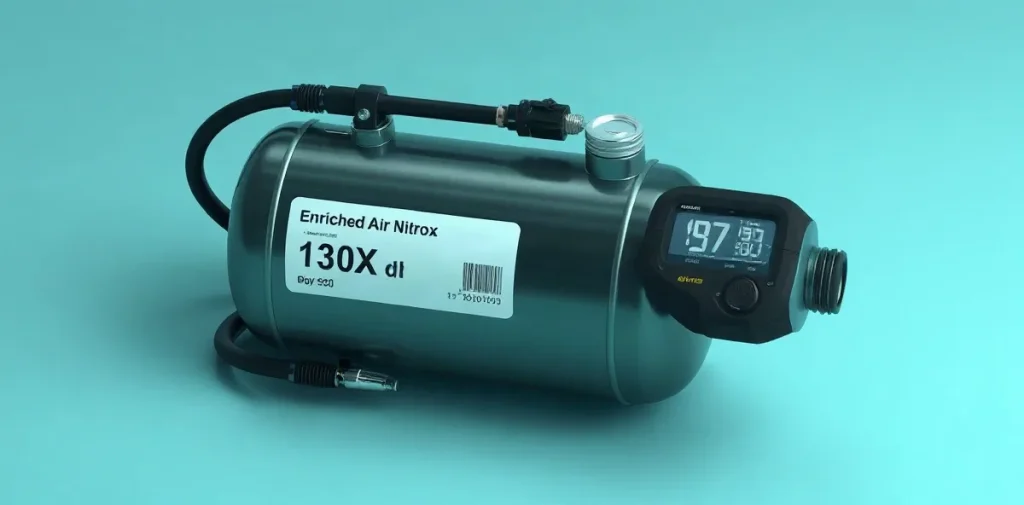
Adopting Nitrox in recreational diving enhances safety by reducing nitrogen absorption during dives, which lowers the risk of decompression sickness and extends allowable bottom time. This shift in breathing gas composition fundamentally changes dive planning, offering divers greater flexibility and improved physiological outcomes.
The increased popularity of Nitrox in recreational diving stems from its potential to make dives safer and more comfortable. By providing a higher oxygen concentration and correspondingly lower nitrogen fraction than air, Nitrox reduces inert gas uptake in body tissues. This physiological advantage translates to decreased decompression stress, which is a critical factor in diving safety and long-term health.
Understanding how Nitrox adoption changes recreational diving safety requires examining both the benefits and the new considerations it introduces. While Nitrox can extend no-decompression limits and reduce decompression sickness risk, divers must also learn about oxygen toxicity risks and proper gas management. This article explores these dynamics to clarify the impact of Nitrox on the modern recreational diving experience.
| Criterion | Air | Nitrox 32% |
|---|---|---|
| Oxygen fraction | 21% | 32% |
| Max oxygen partial pressure | ≈0.9 ata at 30m | 1.4 ata (NOAA limit) |
| No-decompression limit at 30m | ≈20 minutes | ≈26 minutes |
| Risk of decompression sickness | Baseline | ~30% reduction (DAN 2025) |
| Required certification | Open Water | Enriched Air Diver specialty |
- 60% Percentage of US recreational divers regularly using Nitrox
- 1.4 ata Maximum recommended oxygen partial pressure during active diving (NOAA 2026)
- $150–$250 Cost range for Enriched Air Diver certification course
- 20–30% Increase in no-decompression limits using Nitrox 32% at 30 meters depth
What is the current prevalence of Nitrox use in recreational diving?
Market penetration
More than 60% of certified recreational divers in the United States regularly use Nitrox, reflecting widespread acceptance of enriched air mixtures in the dive community as of 2026. This significant adoption rate is supported by the availability of Nitrox fills, which typically range from $8 to $15 per tank in popular dive destinations such as Hawaii and the Caribbean. The relative affordability and accessibility of Nitrox contribute to its prevalence, making it a common choice for divers seeking extended bottom times and reduced nitrogen exposure.
Training uptake
The popularity of Nitrox is also evident in diver education, with PADI reporting that over 250,000 divers worldwide enroll annually in its Enriched Air Diver specialty course. This substantial training volume indicates strong global demand for Nitrox certification and familiarization. Training standards emphasize key criteria for safe Nitrox use, including:
- Maximum oxygen concentration limits commonly taught, typically up to 40% O₂
- Depth thresholds for Nitrox dives, often restricting dives to 40 meters or shallower
- Proper analysis and labeling of Nitrox mixes before each dive
How does Nitrox change dive profiles and decompression risk compared to air?
Nitrox breathing gases, typically with 32% oxygen, change dive profiles by reducing nitrogen uptake, which extends no-decompression limits and lowers decompression sickness risk compared to air. This modification allows divers to stay longer at depth—especially around 30 meters—while maintaining safer nitrogen levels in their tissues.
Extended no-decompression limits
Nitrox mixes with 32% oxygen reduce nitrogen absorption during a dive, enabling no-decompression limits approximately 20-30% longer than those for air at 30 meters depth. For example, a dive that allows 20 minutes of no-decompression time on air can extend to about 24 to 26 minutes using Nitrox 32. This extension is directly related to the lower fraction of nitrogen in the breathing gas, which slows nitrogen loading in body tissues. The Divers Alert Network (DAN) reported in 2025 that this reduction in nitrogen load contributes to an estimated 30% decrease in decompression sickness incidence among Nitrox users compared to air divers.
Oxygen toxicity thresholds
Despite benefits, Nitrox use must account for oxygen partial pressure limits to avoid toxicity. According to NOAA diving guidelines updated in 2026, the maximum partial pressure of oxygen is set at 1.4 ata during the working phase of a dive and 1.6 ata during decompression stops. Exceeding these thresholds increases the risk of central nervous system oxygen toxicity, which can cause convulsions underwater. Thus, dive planning with Nitrox involves balancing extended bottom times against oxygen exposure limits, requiring careful depth and time monitoring to remain within these safety margins.
- No-decompression limit extension: 20-30% longer at 30 meters with Nitrox 32
- Oxygen partial pressure limit during working phase: 1.4 ata (NOAA, 2026)
- Oxygen partial pressure limit during decompression stops: 1.6 ata (NOAA, 2026)
- Estimated decompression sickness reduction among Nitrox users: 30% (DAN, 2025)
What additional training and equipment are required for safe Nitrox diving?
Certification standards
Divers must complete an Enriched Air Diver certification course to safely use Nitrox, typically priced between $150 and $250. These courses focus on understanding oxygen exposure limits, partial pressure calculations, and proper gas analysis techniques, ensuring divers recognize the increased risks associated with higher oxygen fractions compared to air.
Training also covers the importance of adhering to maximum operating depths based on oxygen percentages, with common limits being 1.4 bar partial pressure for recreational diving and 1.6 bar for short exposures. This knowledge is essential for preventing oxygen toxicity incidents during Nitrox dives.
Essential gear
Using Nitrox requires specific equipment for gas verification and dive planning. An oxygen analyzer, such as the Analox O2E II, priced around $400, is mandatory to confirm the tank’s oxygen content before each dive, preventing dangerous mix errors. This device provides accurate readings of oxygen percentages, typically ranging from 21% to 40% or higher blends.
Dive computers compatible with Nitrox are also necessary, featuring integrated oxygen partial pressure monitoring and algorithm adjustments. Leading models from Shearwater and Suunto offer these functions as standard in 2026, allowing divers to track oxygen exposure and decompression limits precisely during the dive.
- Enriched Air Diver course: $150–$250
- Oxygen analyzer (Analox O2E II): approximately $400
- Oxygen partial pressure limit: 1.4 bar (standard recreational), 1.6 bar (short exposure)
- Nitrox-compatible dive computers: Shearwater, Suunto models (2026)
What are common mistakes or risks associated with Nitrox use that affect safety?
Common mistakes and risks in Nitrox use that compromise safety include failure to verify the gas mixture before diving and exceeding safe oxygen partial pressure limits underwater. These errors can lead to hypoxia, oxygen toxicity, or severe CNS complications such as seizures, making pre-dive checks and adherence to depth limits essential for safe Nitrox diving.
Gas analysis lapses
Failing to analyze the oxygen content of Nitrox before a dive remains the most frequent human error reported by Divers Alert Network (DAN) as of 2026. Certified gas analyzers like the Coltri Sub Midas O2 Analyzer cost approximately $500–$800 and are crucial for measuring oxygen percentages, which typically range from 32% to 40% in recreational Nitrox. Inaccurate fills or contamination during gas blending at uncertified stations can result in oxygen fractions significantly different from the intended mix, exposing divers to dangerous hypoxia at shallow depths or oxygen toxicity at deeper levels.
Oxygen toxicity dangers
Diving with Nitrox beyond the maximum operating depth (MOD) based on oxygen partial pressure limits increases the risk of central nervous system oxygen toxicity, potentially causing underwater seizures. The widely accepted threshold for pO2 is 1.4 atmospheres absolute (ATA) during the working phase of the dive, with a contingency limit of 1.6 ATA, as outlined in the NOAA Diving Manual (2026). For example, breathing 36% oxygen Nitrox sets a MOD of approximately 29 meters (95 feet). Ignoring these limits can lead to serious neurological incidents, emphasizing strict depth monitoring and adherence to dive tables or dive computers programmed for Nitrox.
How have diving organizations updated safety standards to address increased Nitrox use?
Regulatory changes
To address the rising use of Nitrox, diving organizations have revised safety standards focusing on oxygen exposure limits and equipment protocols. In 2024, NOAA updated its oxygen exposure guidelines, reaffirming the 1.4 ata maximum partial pressure of oxygen for working limits and advising shorter bottom times when using Nitrox mixes above 32% oxygen to reduce central nervous system oxygen toxicity risks. Additionally, the International Organization for Standardization published ISO 11107 in 2023, establishing standardized procedures for Nitrox cylinder labeling and testing, ensuring clearer identification and safer handling of enriched air cylinders.
Training curriculum updates
Major training agencies have revamped their Nitrox courses to emphasize enhanced dive planning and risk management. In 2025, both PADI and SSI introduced revised Nitrox training curricula that incorporate the mandatory use of dive planning software capable of calculating oxygen exposure based on various Nitrox blends and dive profiles. These updates also stress understanding oxygen toxicity risk factors and integrating conservative dive planning strategies to improve diver safety when using Nitrox.
- NOAA oxygen exposure limit: 1.4 ata maximum partial pressure (2024 update)
- ISO 11107: Standard for Nitrox cylinder labeling and testing (2023)
- PADI and SSI Nitrox course revisions in 2025: mandatory dive planning software and risk management emphasis
- Recommended maximum oxygen content adjustment: shorter bottom times for blends exceeding 32% O2
Frequently asked questions
Can Nitrox eliminate decompression sickness risk entirely?
Is special equipment needed to dive with Nitrox?
What is the safe oxygen partial pressure limit when using Nitrox?
Key takeaways
- Over 60% of US divers use Nitrox regularly as of 2026
- Nitrox extends no-decompression limits by up to 30% at moderate depths
- Oxygen partial pressure must not exceed 1.4 ata during active diving
- Specialized training and oxygen analyzers are mandatory for safe Nitrox use
- Updated standards from NOAA and ISO govern Nitrox safety and labeling