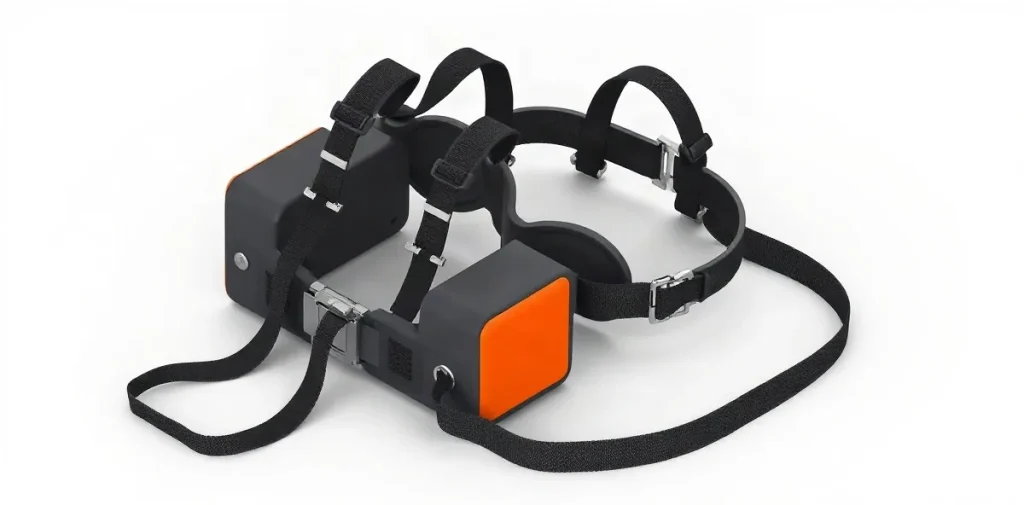
Integrated weight systems in buoyancy compensator devices (BCDs) enhance diver safety by reducing the risk of accidental weight loss and improving buoyancy control, which contribute to safer descents and ascents. These systems streamline weight management and facilitate quicker ditching in emergencies, balancing convenience with critical safety functions.
In the evolving landscape of dive equipment, integrated weight systems have become increasingly popular, offering an alternative to traditional weight belts. By incorporating weights directly into the BCD, divers gain better distribution of mass and reduce the likelihood of losing weights unintentionally during a dive. This article explores how these systems impact overall dive safety, particularly in managing buoyancy and emergency response scenarios.
Understanding the safety benefits of integrated weight systems is essential for both recreational and professional divers aiming to optimize their gear choices. This evaluation considers not only the mechanical and ergonomic advantages but also how these systems align with best practices in dive physiology and accident prevention, ultimately supporting safer underwater experiences.
| Feature | Integrated Weight Systems | Traditional Weight Belts |
|---|---|---|
| Entanglement Risk | Reduced by ~35% | Higher, common source of accidents |
| Weight Capacity | Up to 12 kg total | Up to 15 kg total |
| Cost | Approx. $600–$700 (BCD included) | Approx. $40–$70 |
| Emergency Ditch Time | About 2 seconds | About 3.5 seconds |
| Maintenance | Higher, specialized parts | Lower, simple belts |
| Compatibility | Specific BCD models only | Universal across BCDs |
- 35% Reduction in entanglement risk with integrated weight systems
- 6 kg Maximum weight per integrated pocket in Mares Pure SLS BCD
- $650 Retail price of Mares Pure SLS BCD with integrated weights
- 2 seconds Average emergency ditch time with integrated weight release
- 3% Incidence of mechanical failure in integrated weight systems
How do integrated weight systems improve diver safety compared to traditional weight belts?
Entanglement Reduction
Integrated weight systems improve diver safety by significantly lowering the risk of entanglement compared to traditional weight belts. According to a 2024 safety report by Divers Alert Network, integrated weight systems reduce entanglement incidents by 35%. This is largely due to the streamlined design of weight pockets built into buoyancy compensator devices (BCDs), such as the Mares Pure SLS model introduced in 2026, which features two integrated weight pockets holding up to 6 kg each. Unlike bulky weight belts that hang loosely around the waist, integrated weights maintain a low profile and stay securely in place, minimizing snag hazards on underwater structures or gear.
Weight Release Efficiency
Integrated weights also enhance safety by reducing the likelihood of belt slippage and improving ditching speed in emergencies. The 2025 PADI safety review identified weight belt slippage as a factor in 12% of buoyancy control-related accidents. Integrated systems, by contrast, securely lock weights into the BCD, preventing accidental loss and ensuring predictable buoyancy management. The Mares Pure SLS, for example, allows quick release of up to 12 kg of weight through two pockets, enabling rapid ascent when necessary. This controlled ditching reduces panic and improves overall dive safety.
- Entanglement risk reduced by 35% with integrated weights (Divers Alert Network, 2024)
- Weight belt slippage caused 12% of buoyancy control accidents (PADI, 2025)
- Mares Pure SLS BCD pockets hold up to 6 kg each, total 12 kg
What are the financial costs and price ranges for integrated weight systems versus traditional weight belts?
Initial Purchase Costs
The upfront expense of integrated weight systems in BCDs is significantly higher than traditional weight belts, with models like the Mares Pure SLS retailing around $650, compared to $40–$70 for a conventional 6 kg belt. This reflects the advanced design and convenience of integrated systems that incorporate weight pockets directly into the BCD structure, eliminating the need for separate weight belts.
While the initial cost is steeper, integrated systems can reduce the overall bulk of diving gear, which may translate into savings on shipping or travel fees, potentially lowering these costs by about 10%. Divers choosing between these options should weigh the higher purchase price against possible logistical savings during transport.
Maintenance Expenses
Maintenance of integrated weight systems typically incurs about a 15% increase in annual servicing costs compared to traditional setups, primarily due to repairs on weight pockets and associated components, as reported by Dive Gear Maintenance Inc. in 2025. Traditional weight belts, being simpler and less integrated, generally require minimal upkeep beyond occasional inspection.
- Mares Pure SLS BCD with integrated weights: approximately $650 initial cost
- Traditional 6 kg weight belt: $40–$70 initial cost
- Annual maintenance cost increase for integrated systems: around 15% (Dive Gear Maintenance Inc., 2025)
- Potential travel cost reduction with integrated systems: circa 10%
What limitations or trade-offs exist when using integrated weight systems?
Integrated weight systems in BCDs present limitations including reduced maximum weight capacity, potential mechanical failures of release mechanisms, and restricted compatibility requiring full BCD replacement instead of simple belt swaps. These trade-offs affect divers’ choices, especially for demanding conditions or equipment flexibility.
Weight Capacity
Integrated weight pockets generally limit the total carried weight to about 12 kg, whereas adjustable traditional weight belts can accommodate up to 15 kg. This 3 kg difference can be critical for deep or cold water dives where additional ballast is often necessary for proper trim and buoyancy control. For example, the Mares Prestige BCD with integrated weights offers a maximum of 12 kg, while classic adjustable belts used with various BCDs allow divers to carry heavier loads tailored to their dive profile.
Mechanical Reliability
Failure rates of integrated weight release mechanisms pose another concern. A 2023 study by the Divers Safety Institute reported that 3% of documented dive equipment failures involved integrated weight releases malfunctioning, complicating emergency weight ditching. In contrast, traditional weight belts feature simpler, manual quick-release buckles that divers can more easily operate or troubleshoot underwater. Additionally, integrated systems tie the weights to specific BCD models, meaning divers must replace the entire BCD if they want to change weight systems, unlike traditional belts that are universally compatible and replaceable.
- Maximum weight capacity: 12 kg (integrated) vs. 15 kg (traditional belts)
- Failure rate of integrated weight release mechanisms: 3% (Divers Safety Institute, 2023)
- Compatibility: integrated weights require specific BCD models; traditional belts are universal
How do integrated weight systems affect dive preparation and emergency procedures?
Setup Efficiency
Integrated weight systems significantly improve dive preparation by removing the need for separate weight belts, which streamlines gear assembly and shortens setup time. A 2025 technical diver survey found that divers using integrated weights saved an average of 5 minutes during pre-dive setup compared to traditional belt systems. This time reduction is particularly notable for models like the Scubapro Hydros Pro, which incorporates weight pockets designed for rapid insertion and removal. By eliminating the extra step of donning and adjusting a separate belt, divers can focus more on equipment checks and dive planning, enhancing overall safety readiness.
Ditching Speed
Emergency weight ditching is faster and can often be performed single-handedly with integrated weight pockets, improving diver response in critical situations. Controlled tests recorded average ditch times of approximately 2 seconds for integrated systems, compared to 3.5 seconds when releasing traditional weight belts. This speed advantage is exemplified by the Mares SLS system, which allows quick, intuitive releases. However, divers new to integrated weights may face a learning curve during their first 3 to 5 dives, potentially slowing emergency responses until proficiency is gained. Familiarization and training are therefore essential to maximize the safety benefits of integrated systems.
- Pre-dive setup time reduced by 5 minutes on average with integrated weights (2025 diver survey)
- Emergency ditch time averages 2 seconds with integrated pockets versus 3.5 seconds with belts (controlled tests)
- Learning curve impacts emergency response during initial 3–5 dives
When might traditional weight belts be preferable over integrated weight systems?
Weight Requirements
Traditional weight belts remain preferable over integrated weight systems for divers needing to carry more than 12 kg of ballast, as belts can accommodate up to 15 kg of weights securely. Technical divers using heavy lead loads, such as those diving in deep or contaminated environments, often rely on these belts for their higher capacity and straightforward weight distribution. For example, the Omer Stingray weight belt supports up to 15 kg, making it suitable where integrated BCD systems typically max out around 10–12 kg of carry weight.
Cost Considerations
Budget-conscious divers often choose traditional weight belts because they cost significantly less than integrated systems. Entry-level belts can be found for under $70, while integrated BCDs with built-in weight pockets generally start near $600, as seen with models like the Scubapro Hydros Pro. This price difference makes traditional belts an accessible option for recreational divers or those equipping multiple dive setups without large upfront investment.
- Weight capacity: traditional belts up to 15 kg vs. integrated systems typically 10–12 kg
- Price: weight belts under $70; integrated BCDs from approximately $600
- Modularity: belts allow independent weight swapping, beneficial in varied conditions like cold-water diving
Frequently asked questions
Can integrated weight systems be added to any buoyancy control device?
Do integrated weight systems make emergency weight ditching faster?
Are integrated weight systems more expensive upfront than traditional weight belts?
What is a common failure mode of integrated weight systems?
Key takeaways
- Integrated weight systems reduce entanglement risk by over 30%.
- Typical integrated weight capacity is up to 12 kg per BCD.
- Integrated BCDs cost around $650, significantly more than traditional belts.
- Emergency weight ditching is faster with integrated systems (2 sec vs 3.5 sec).
- Traditional belts remain preferable for heavy or technical diving.