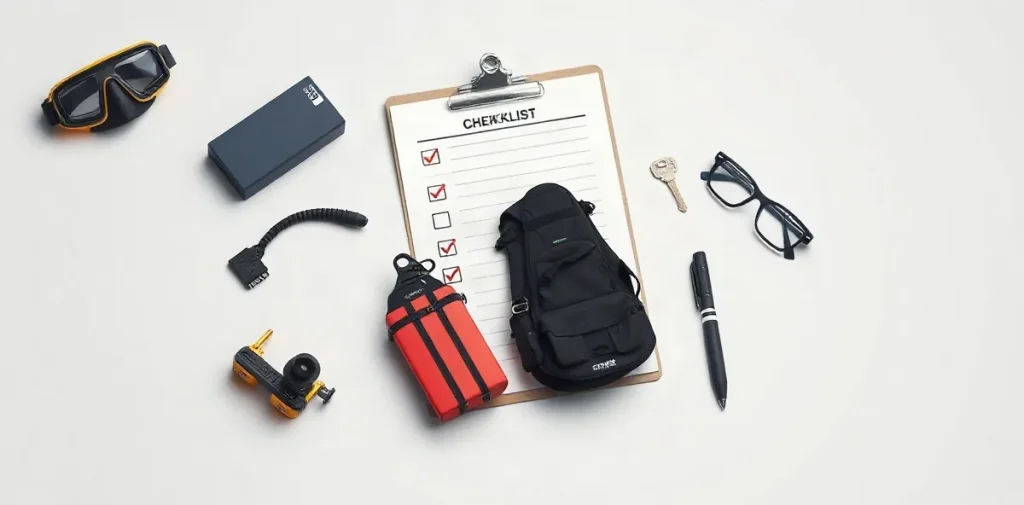
Pre-dive safety checks are essential for preventing diving accidents by ensuring all equipment functions properly and that divers are mentally and physically prepared. These systematic inspections help identify potential hazards before entering the water, significantly reducing the risk of malfunctions, emergencies, and injuries during a dive.
In the complex and high-risk environment of underwater diving, even minor equipment failures or overlooked safety steps can lead to serious consequences. The critical role of pre-dive safety checks lies in their ability to catch these issues early, providing a final safeguard against preventable accidents. By establishing a routine and thorough check, divers build a culture of safety that benefits both individuals and their dive teams.
This article explores the importance of pre-dive safety checks, detailing how they function as a cornerstone of dive preparation and accident prevention. Understanding these procedures not only enhances safety but also promotes confidence and competence in the water, which are vital for every diver’s success and well-being.
| Protocol/Standard | Key Focus | Average Duration | Adoption |
|---|---|---|---|
| BWRAF (PADI) | Equipment and buddy readiness | 5 minutes | Global recreational diving |
| EN 1809:2014 | Equipment inspection requirements | Varies | European commercial/recreational |
| ISO 24801-1 | Diver training and safety checks | Integrated in training | International |
| BSAC Checklist | Comprehensive buddy and equipment check | 6-7 minutes | UK and Commonwealth |
- 15% Out-of-air emergencies linked to failure in cylinder pressure checks (DAN 2025)
- 25% Dive incidents involving skipped or rushed pre-dive checks (DAN 2023)
- 5 minutes Average duration of comprehensive BWRAF pre-dive safety checks
What are the essential components of a pre-dive safety checklist?
Equipment Checks
A pre-dive safety checklist must include thorough verification of all critical diving equipment to ensure reliability during the dive. Checking cylinder pressure is essential; the tank should have a minimum pressure above 200 bar (approximately 3000 psi) before descent to guarantee sufficient breathing gas supply. For example, divers commonly use high-quality cylinders certified to meet EN 1968 standards. Additionally, inspecting the buoyancy control device (BCD) inflation and deflation valves for leaks is crucial. These components should conform to EN 1809:2014 standards, which specify maximum allowable leakage rates to maintain buoyancy control throughout the dive.
Functionality Tests
Functionality tests confirm that equipment operates correctly under expected conditions. Testing the regulator, such as the Scubapro MK25—priced around $850—using a positive pressure test helps verify that air delivery is consistent and free from leaks. This test is especially important for first stages that deliver air on demand. Furthermore, confirming dive computer battery life is vital; for instance, the Suunto D5 offers approximately 30 hours of normal use before requiring replacement or recharge. Ensuring the dive computer’s power reserve prevents unexpected failures in monitoring depth, time, and decompression status.
- Cylinder pressure: minimum 200 bar (about 3000 psi) before dive
- BCD valves: compliance with EN 1809:2014 leakage standards
- Regulator: positive pressure test on models like Scubapro MK25 (~$850)
- Dive computer battery: Suunto D5 with ~30 hours battery life under normal use
How do pre-dive checks directly reduce common diving incidents?
Accident Prevention
Pre-dive checks directly reduce common diving incidents by identifying and resolving equipment and procedural issues before submersion, thereby preventing failures that lead to emergencies underwater. For instance, verifying cylinder pressure avoids unexpected out-of-air situations, while testing regulator function ensures reliable breathing apparatus performance. Confirming buoyancy control device (BCD) operation helps maintain safe ascent rates, and checking dive computer batteries guarantees accurate depth and no-decompression limit readings.
Statistics on Incident Reduction
Failure to check cylinder pressure is linked to about 15% of out-of-air emergencies reported by Divers Alert Network (DAN) in 2025, emphasizing the critical nature of this simple measurement. According to PADI safety guidelines, pre-dive regulator inspections prevent 10-12% of breathing-related accidents by detecting malfunctions early. The Health and Safety Executive (HSE) Diving Safety Report 2024 highlights that properly functioning BCDs reduce the risk of uncontrolled ascents, which in turn lowers decompression sickness cases. Additionally, battery checks on dive computers, such as models from Suunto and Garmin, decrease navigation errors by an estimated 8%, as accurate data is essential for dive profile management.
- Cylinder pressure check: prevents ~15% of out-of-air incidents (DAN, 2025)
- Regulator function test: avoids 10-12% breathing-related accidents (PADI, 2026)
- BCD operation verification: reduces decompression sickness risk (HSE, 2024)
- Dive computer battery check: cuts navigation errors by ~8% (2026 industry data)
When should divers perform pre-dive safety checks, and how long should they take?
Timing Guidelines
Divers should perform pre-dive safety checks immediately before entering the water, ideally within 10 to 15 minutes of the planned dive start time to ensure equipment functionality and air supply integrity. According to the ISO 24801-1 recreational diving standard, these checks must be integrated into the dive briefing process to maintain safety oversight. If more than 30 minutes elapse after completing the pre-dive check, particularly for critical components such as the air regulator and cylinder pressure, re-verification is necessary to confirm operational readiness.
Standard Protocols
A comprehensive pre-dive safety check, such as the widely adopted BWRAF protocol (BCD, Weights, Releases, Air, Final OK), typically takes about 5 minutes to complete thoroughly. This routine covers essential equipment verification: confirming buoyancy control device function, weight system security, quick-release mechanisms, air supply sufficiency, and final mutual confirmation between dive partners. Adhering to these timing and procedural standards helps to minimize equipment-related incidents and reinforces dive team communication before submersion.
- Pre-dive check timing: 10–15 minutes prior to water entry
- Re-verification threshold: 30 minutes after initial check
- Duration of BWRAF protocol: approximately 5 minutes
- ISO standard governing checks: ISO 24801-1 (recreational diving)
What are common mistakes or limitations in pre-dive safety checks that divers should avoid?
Common Errors
Rushing or skipping steps during pre-dive safety checks is a frequent mistake, implicated in 25% of dive incident investigations reported by the Divers Alert Network (DAN) in 2023. This haste can lead to unnoticed equipment faults or procedural lapses that increase accident risk. Another prevalent error is insufficient verification of a dive buddy’s equipment, which the BSAC Diving Safety Committee has documented raises the chance of incidents by up to 20%. Divers relying solely on their dive computers without cross-checking air supply levels using a manual pressure gauge risk missing critical air depletion warnings, potentially leading to out-of-air emergencies.
Environmental Challenges
Environmental factors, particularly cold water below 10°C, can adversely affect the reliability of regulator function tests during pre-dive checks. Low temperatures may cause regulators to freeze or perform inconsistently, and if divers fail to account for this, they might incorrectly assume their equipment is fully operational. To mitigate these risks, divers should ensure regulators are tested under conditions that simulate expected dive environments and confirm all gauges and valves respond accurately.
- Skipping steps: linked to 25% of incidents (DAN, 2023)
- Buddy equipment oversight: increases risk by up to 20% (BSAC, 2023)
- Cold water threshold: below 10°C affects regulator testing reliability
- Air supply verification: always confirm with manual pressure gauge alongside dive computer
Which commercial products and standards best support effective pre-dive safety checks?
Industry Standards
International standards such as EN 1809:2014 and ISO 24801-1 are essential for guiding effective pre-dive safety checks by defining minimum requirements for diving equipment and procedural protocols. EN 1809:2014 specifies safety criteria for diving regulators, ensuring consistent performance verification before dives, while ISO 24801-1 outlines the competencies and safety procedures for entry-level recreational divers, including systematic pre-dive checks.
These standards promote uniformity and reliability in safety checks, supporting divers and operators in reducing human error. Compliance with these standards facilitates safer diving practices worldwide and provides benchmarks for training organizations and equipment manufacturers to align with accepted safety principles.
Recommended Gear
Several commercial products effectively support pre-dive checks through integrated features and standardized protocols. The PADI pre-dive safety checklist, which employs the BWRAF method, is widely used in diver training to ensure comprehensive and consistent equipment and buddy checks. This checklist standardizes critical steps, improving recall and thoroughness.
Among dive equipment, the Scubapro MK25 regulator series, priced between $850 and $950, includes built-in test features that facilitate immediate verification of regulator function, enhancing confidence before entry. Additionally, the Suunto D5 dive computer, retailing around $900, integrates battery status alerts and safety reminders to notify divers of potential issues prior to submersion.
- EN 1809:2014 standard for regulator safety and performance
- ISO 24801-1 standard for recreational diver training and safety procedures
- PADI BWRAF pre-dive checklist for systematic buddy and equipment checks
- Scubapro MK25 regulator series, $850–$950, with built-in functionality tests
- Suunto D5 dive computer, approximately $900, with integrated safety alerts
Frequently asked questions
How often should pre-dive safety checks be performed?
What is the BWRAF pre-dive check procedure?
Can pre-dive checks prevent decompression sickness?
Are there risks to relying solely on dive computers during pre-dive checks?
Key takeaways
- Cylinder pressure must be checked above 200 bar before every dive
- BWRAF checklist standardizes a 5-minute comprehensive pre-dive check
- Regulator and BCD function verification prevent up to 25% of common diving incidents
- Dive computer battery status is critical for accurate no-deco and depth data
- Skipping buddy checks or rushing increases incident risk significantly