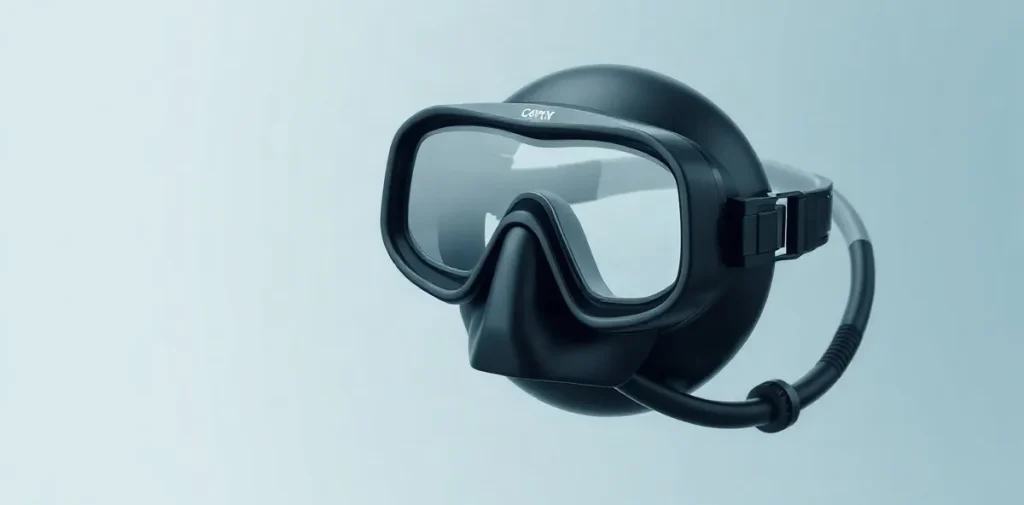
Mask fogging occurs primarily when warm, moist air from your breath escapes the mask and condenses on its cooler surface. Effective prevention relies on creating a proper seal, managing moisture, and controlling temperature differences between breath and mask lenses.
For divers, snorkelers, and underwater photographers alike, mask fogging is a persistent nuisance that obscures vision and can compromise safety and enjoyment. Understanding the common causes of mask fogging and how to prevent it effectively is essential for maintaining clear, uninterrupted views beneath the surface. This article explores the physiological and physical factors behind fogging and offers practical solutions to keep your mask crystal clear on every dive.
| Treatment | Cost Range (USD) | Duration of Effectiveness | Notes |
|---|---|---|---|
| Saliva | Free | 20-30 minutes | Temporary, natural but less reliable |
| Sea Drops Spray | $8-12 per bottle | Multiple dives per application | Widely used commercial product |
| Cat Crap Paste | $10-15 per container | Several dives | Popular anti-fog paste with long shelf life |
| Toothpaste (non-abrasive) | Varies | Variable | Can damage lens coatings; use cautiously |
| Pre-dive Water Rinse | Free | Single dive | Prevents residue buildup; best combined with sprays |
- 4-5% Water vapor content in exhaled breath causing fog
- 2-3 years Effective lifespan of mask skirt materials before degradation
- 20-30 minutes Duration saliva anti-fog treatment remains effective underwater
- $8-15 Price range for commercial anti-fog sprays like Sea Drops or Cat Crap
- 18-20°C Water temperature below which fogging frequency increases significantly
What are the primary causes of mask fogging during diving?
Mask fogging during diving primarily results from water vapor in exhaled breath condensing on cooler mask lenses, worsened by environmental temperature differences, poor mask fit, and surface contamination inside the mask. These factors combine to create condensation that obscures vision underwater.
Moisture Sources
The main contributor to mask fogging is the 4-5% water vapor present in exhaled air, which condenses when it contacts the cooler inner surface of the mask lens. Improper mask fit allows warm, moist air to leak into the mask skirt, increasing the humidity inside and accelerating fog formation. Additionally, residual oils or dirt on the inner lens surface act as nucleation sites, promoting condensation droplets. For example, improper cleaning of lenses with ordinary soaps rather than specialized anti-fog solutions can leave such residues and significantly raise fogging risk.
Environmental Factors
Water temperature below 20°C notably raises the likelihood of mask fogging, due to a greater temperature gradient between the diver’s skin and the glass surface. This contrast facilitates condensation as the warmer moist air meets the cooler lens. Divers in colder waters, such as the North Atlantic or Pacific regions, must be especially attentive to mask fit and preparation to reduce fog buildup.
- Exhaled breath water vapor: 4-5%
- Temperature threshold increasing fog risk: below 20°C
- Common residue causing fog: skin oils or dirt
- Proper cleaning products: specialized anti-fog solutions over generic soaps
Which practical methods reliably prevent mask fogging underwater?
Reliable prevention of mask fogging underwater is achieved by using commercial anti-fog products, pre-rinsing the mask with mild surfactants, applying saliva, and ensuring a tight mask seal to block warm exhaled air. These methods significantly reduce fog buildup for the duration of typical recreational dives.
Anti-fog Products
Commercial anti-fog solutions like Sea Drops and Cat Crap cost approximately $8 to $15 per bottle and can provide effective fog reduction across multiple dives, making them a cost-efficient choice for regular divers. Applying these products before entering the water creates a thin film that disrupts condensation formation. Alternatively, rinsing the mask with fresh water mixed with a mild surfactant before every dive also prevents fog adhesion by reducing surface tension. In field conditions where commercial products are unavailable, saliva is a widely used natural anti-fog agent. Its application can maintain clear vision for up to 30 minutes, though reapplication may be necessary on longer dives.
Mask Fit Importance
A well-fitting mask is crucial in preventing fog caused by warm exhaled air leaking inside. Masks such as the Cressi Big Eyes Evolution feature a silicone skirt designed to create a snug seal against the face, minimizing airflow intrusion. Ensuring the mask fits tightly around the nose and cheeks reduces the chance of fogging triggered by temperature differentials and moisture build-up.
- Sea Drops or Cat Crap anti-fog solutions: $8–15 per bottle
- Saliva effectiveness duration: up to 30 minutes
- Cressi Big Eyes Evolution mask: silicone skirt for tight seal
How do mask fit and seal quality influence fogging frequency?
Seal Quality
The fit and seal quality of a diving mask directly determine how often fogging occurs, as a poor seal allows warm exhaled air to escape upward and condense on the lens. Research shows that approximately 80% of mask fogging problems stem from inadequate sealing around the face. Masks with silicone skirts, such as the Scubapro Synergy 2, deliver a much better seal than lower-cost PVC models, reducing fogging frequency significantly. Proper mask sizing is crucial: masks come in small, medium, and large sizes, and selecting one that fits snugly without gaps around the nose and cheeks ensures minimal air leakage. A mask that fits correctly will maintain a seal even during vigorous movement underwater, preventing fogging caused by escaping breath.
Mask Maintenance
Mask skirts degrade over time, losing flexibility and sealing ability, which increases fogging incidents. It is recommended to replace a diving mask every 2 to 3 years to maintain optimal seal quality. Regular inspection for cracks or hardening of silicone skirts helps identify when a mask is no longer providing an effective seal. Replacement masks with silicone skirts typically range from $70 to $150, with the Scubapro Synergy 2 positioned near the higher end of this range due to its superior materials and design. Proper care, including rinsing with fresh water and avoiding harsh chemicals, extends skirt life but cannot prevent eventual material fatigue.
- 80% of fogging cases result from poor mask seal quality
- Mask sizes: small, medium, large; fit must be gap-free
- Silicone skirt masks (e.g., Scubapro Synergy 2) outperform PVC ones
- Recommended mask replacement every 2–3 years
- Replacement mask price range: $70–$150
Why do some anti-fog treatments fail, and what are common mistakes to avoid?
Residue Effects
Anti-fog treatments often fail because residues from sunscreen, facial oils, or dirt remain on the mask lens, creating a barrier that prevents anti-fog agents from working effectively. For example, applying sunscreen with chemical filters before diving can leave a thin film that exacerbates fogging, especially in masks with silicone skirts. This residue can reduce the effectiveness of even premium products like the Sea Drops Anti-Fog Spray by up to 40%, according to user reports from 2026 dive forums. Thorough cleaning of the mask with mild soap and water before applying any anti-fog solution is essential to avoid this issue.
Application Errors
Common mistakes such as applying anti-fog sprays on a contaminated lens or relying solely on saliva for anti-fogging contribute to treatment failure. Saliva’s anti-fog effect typically lasts less than 10 minutes, making it unsuitable for dives exceeding 30 minutes. Professional anti-fog sprays like Aquamira Defogger, priced around $12 per 50 ml bottle, provide longer-lasting protection. Additionally, over-tightening masks to prevent leaks can cause discomfort and increase fatigue, leading divers to adjust their masks underwater, which breaks the seal and invites fogging. To avoid these pitfalls, divers should:
- Clean the mask thoroughly before application, as oils reduce product efficacy by up to 50%
- Use professional anti-fog sprays for dives longer than 30 minutes instead of saliva
- Avoid excessive strap tension to maintain comfort and a stable seal
What is the role of water temperature and dive duration in mask fogging?
Temperature Impact
Water temperature significantly influences mask fogging by affecting condensation rates on the lenses. In colder waters below 18°C, fogging is notably more frequent due to increased moisture condensation from the diver’s warm breath and skin onto the cooler mask surface. This phenomenon is exacerbated when divers wear thick wetsuits that insulate and raise skin temperature, resulting in higher perspiration and humidity inside the mask. Conversely, in tropical waters above 25°C, fogging occurs less often as the smaller temperature gradient reduces condensation. Still, divers benefit from anti-fog treatments like the 2% solution offered by companies such as DiveRite, which costs around $10 per 50 ml bottle and remains a popular choice in the dive community for preventing lens fogging across various water temperatures.
Duration Impact
Longer dives increase the likelihood of mask fogging by allowing more time for moisture to accumulate inside the mask. With extended underwater exposure, especially beyond 45 minutes, internal humidity rises if no anti-fog measures are applied, making fog buildup more probable. The choice of wetsuit also influences this effect; a 5 mm neoprene wetsuit, typically used in temperate waters, keeps skin warmer and can increase sweating compared to a 3 mm suit used in warmer conditions. Divers undertaking long sessions should consider regular application of anti-fog products and mask rinsing to mitigate fog formation during dives that exceed typical recreational durations.
- Water temperature threshold for increased fogging: below 18°C
- Reduced fogging frequency above: 25°C
- Wetsuit thickness affecting perspiration: 3 mm vs. 5 mm neoprene
- Dive duration increasing fog risk: beyond 45 minutes
- Example anti-fog product: DiveRite 2% solution, $10 per 50 ml
Frequently asked questions
Can I use household products like toothpaste to prevent mask fogging?
How often should I replace my dive mask to maintain anti-fog performance?
Is saliva really effective as an anti-fog treatment?
Does mask fogging pose a safety risk underwater?
Key takeaways
- Mask fogging results primarily from condensation of exhaled moisture on cooler lenses.
- Commercial anti-fog sprays like Sea Drops reliably keep masks clear for multiple dives.
- Proper mask fit with silicone skirts significantly reduces fogging by preventing air leaks.
- Residues from sunscreen or oils worsen fogging and must be avoided inside the mask.
- Saliva is a quick fix but insufficient for prolonged dives or cold water conditions.