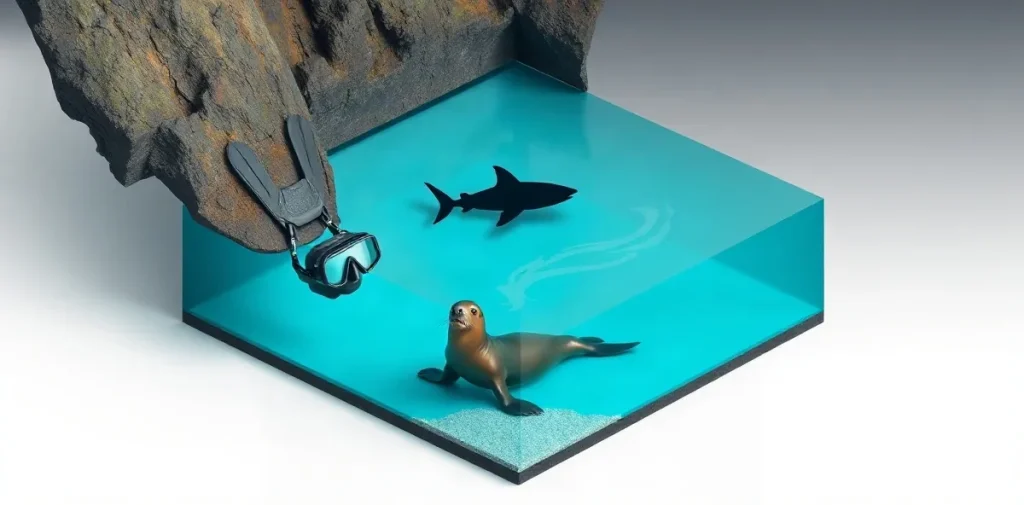
Plan Galápagos snorkeling and diving around sea conditions, wildlife, and your experience level. Choose snorkeling for a more accessible introduction; dive trips require suitable training and comfort in changing conditions.
The islands offer very different underwater encounters, but the best choice depends on where you want to go and how you want to travel. Build your itinerary around the activities you can safely enjoy, and check current conditions and operator requirements before booking.
| Option | Named locations | Conditions or fit | Wildlife noted |
|---|---|---|---|
| Snorkeling | Puerto Ayora, Santa Cruz | Generally calmer water | Sea lions, penguins, sea turtles |
| Snorkeling | Los Tuneles, Isabela | Generally calmer water | Sea lions, penguins, sea turtles |
| Snorkeling | Frigatebird Hill, San Cristóbal | Generally calmer water | Sea lions, penguins, sea turtles |
| Beginner scuba | Santa Cruz and San Cristóbal | Less current than advanced sites | Site-dependent |
| Advanced scuba | Gordon Rocks, Santa Cruz; Shark Point, Wolf Island | For experienced divers; assess current | Whale sharks, hammerhead sharks, dolphins |
- 76°F/25°C Average water temperature given by Galápagos Conservancy
- 72-86°F/22-30°C Average low-to-high air temperature given by Galápagos Conservancy
- 4 days/3 nights to 12 days/11 nights Live-aboard trip duration range described by Galápagos Conservancy
How should you prepare for Galápagos water conditions?
Prepare for Galápagos water conditions by packing a wetsuit, booties, mask, snorkel and fins you can swim comfortably in; the water can feel chilly despite the islands’ equatorial location.
Galápagos Conservancy gives the average water temperature as 76°F/25°C and the average low-to-high air temperature as 72-86°F/22-30°C. Air temperatures are slightly warmer, but they do not remove the need to plan for cool water.
Choose fins that feel manageable if a snorkelling or diving site has current. Conditions can differ between sheltered bays and exposed water, so comfortable finning matters more than packing fins that are difficult to use.
Before travelling, check your operator’s equipment list, especially if you plan to bring your own mask or wetsuit. Confirm what is available and what you need to pack.
Which Galápagos sites suit a snorkel trip?
Puerto Ayora on Santa Cruz, Los Tuneles on Isabela and Frigatebird Hill on San Cristóbal are named options for a Galápagos snorkel trip, with generally calmer water and possible encounters with sea lions, penguins and sea turtles.
- Puerto Ayora: On Santa Cruz Island.
- Los Tuneles: On Isabela Island.
- Frigatebird Hill: On San Cristóbal Island.
Conditions and wildlife activity vary by day, so ask your guide which site suits the sea state and where animals are active. Treat sightings as possibilities, not guarantees.
A well-sealing mask helps keep water out and lets you focus on the swim. Keep enough distance from wildlife, and never chase an animal for a closer view.
How do you match a scuba site to your experience?
Match a Galápagos dive site to your training and recent experience: beginner options around Santa Cruz and San Cristóbal are described as having less current than advanced sites such as Gordon Rocks and Shark Point.
- Santa Cruz and San Cristóbal: Beginner dive options have less current than the advanced sites described here, making them a more suitable starting point for newer divers.
- Gordon Rocks, off Santa Cruz: A popular choice for experienced divers, but its current makes it a poor default for a first open-water dive.
- Shark Point, at Wolf Island: An advanced option associated with whale sharks, hammerhead sharks and dolphins.
Before booking, tell the dive operator what training you have and how recently you have dived. Ask about the planned site’s current, how you will enter the water and the conditions expected that day; confirm these details before committing. If the site or conditions do not fit your experience, discuss another option with the operator.
How do you choose between island-based diving and a live-aboard?
Choose an island-based trip if keeping access to Galápagos land activities central matters most; choose a live-aboard if its itinerary, dive requirements and onboard routine suit you.
- Island-based diving: Scuba Iguana and Wreck Bay Dive Center are organized operators. Ask each what dive sites and transfers its trip includes, and whether the planned sites match your certification.
- Live-aboard diving: A live-aboard can reach remote dive areas. Galápagos Conservancy describes live-aboard trips lasting from 4 days/3 nights to 12 days/11 nights.
Before booking either option, confirm what the price includes and how dives are supervised. Check the itinerary against your certification rather than assuming every advertised site is suitable.
What changes when current, cold or experience limits the plan?
Current, cold water and diver experience can change which Galápagos activity or site is suitable, so assess snorkeling and scuba diving separately rather than treating a calm bay as a guide to nearby dive conditions.
- Current and experience: If you are new to diving or uncomfortable in current, look for the less-current beginner options around Santa Cruz or San Cristóbal. Gordon Rocks and Shark Point are advanced sites, not the default choice for a first dive.
- Cold water: A chilly session may become uncomfortable before you expect it. Check that your wetsuit fits well and that your thermal protection suits the conditions before entering; do not wait until you are shivering to reassess.
- Wildlife and site changes: Sightings of sea lions, penguins, turtles or sharks are never guaranteed. A guide may choose another site if sea conditions or animal activity make the planned location unsuitable.
Use the guide’s site choice as a response to conditions, not a promise of a particular encounter. If you are unsure whether a dive suits your experience or comfort in current, ask before you enter.
How do you protect wildlife and stay safe in the water?
Protect Galápagos wildlife and stay safe by following your guide’s instructions, keeping your buddy in sight, and observing animals without touching, feeding or pursuing them.
In the water: Follow the guide’s directions for entering and leaving the water, spacing yourself from other swimmers, and handling the current. Surface conditions can make a site feel very different from how it looked from shore. Watch sea lions, penguins, turtles and sharks from a respectful distance; do not reach for or chase them.
Keep your snorkeling or diving buddy in sight. If you become separated or feel uncomfortable, return to the guide rather than continuing alone.
Before departure
Ask the operator to explain the safety briefing, emergency arrangements and conditions expected that day. Confirm how the group will enter and exit the water and what to do if the current or surface conditions change.
Frequently asked questions
Is snorkeling or scuba diving better for a first visit to the Galápagos?
What should I pack for Galápagos snorkeling and diving?
Can beginners dive at Gordon Rocks or Shark Point?
How long is a Galápagos live-aboard dive trip?
Sources
- worldadventuredivers.com — “Diving in the Galapagos: a first-timer guide”
- ecoventura.com — “Galapagos Scuba Diving vs. Snorkeling: Which Is Right for Your Trip? – Ecoventura”
- travel.usnews.com — “Galápagos Islands Snorkeling & Diving”
- academybaydiving.com — “How to Spend a Week in the Galápagos Islands – Academy Bay Diving”
- galapagosislands.com — “Scuba Diving Galapagos Tours & Liveaboards”