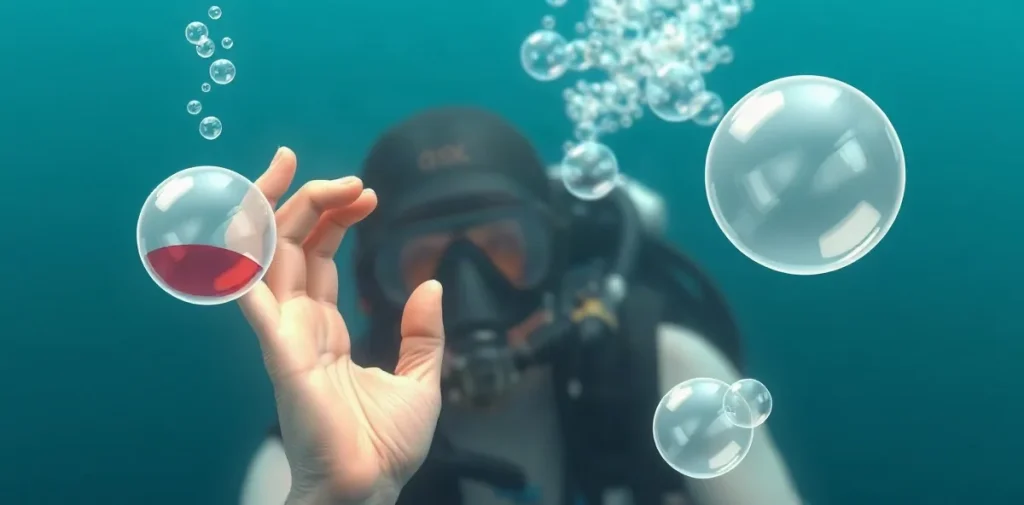
Barotrauma in recreational diving manifests as tissue injury caused by pressure differences between a diver’s internal air spaces and the surrounding water. Immediate recognition of symptoms such as ear pain, dizziness, or difficulty breathing, combined with prompt management including controlled ascent and medical evaluation, is crucial to prevent permanent damage and long-term complications.
What is barotrauma and how does it occur in recreational diving?
Barotrauma refers to physical damage to body tissues caused by a failure to equalize pressure differences during descent or ascent. In diving, this primarily affects air-containing spaces like the middle ear, sinuses, lungs, and teeth. When pressure changes rapidly, gases inside these spaces may not equilibrate, leading to tissue rupture or vascular injury.
The physiological mechanisms behind barotrauma
As ambient pressure increases underwater, divers must equalize internal air spaces to avoid negative pressure and tissue damage. Failure to do so results in conditions such as middle ear barotrauma, where the eardrum may rupture, or pulmonary barotrauma, potentially causing pneumothorax.
- Middle ear barotrauma: occurs in up to 10–20% of recreational dives with poor equalization techniques
- Sinus barotrauma: can lead to facial pain and nosebleeds during descent
- Pulmonary barotrauma: risk increases with rapid ascent or breath-holding
How can divers recognize the symptoms of barotrauma early?
Early recognition of barotrauma symptoms is essential for timely intervention. Common signs include sharp or dull pain in the ears or sinuses, muffled hearing, dizziness, nosebleeds, chest pain, or coughing up blood. Some symptoms, like ear fullness or difficulty equalizing, may appear during descent, while others like chest discomfort can present on ascent or post-dive.
Symptom checklist for common barotrauma types
- Ear pain or fullness, hearing loss, tinnitus
- Facial pressure, nasal congestion, nosebleeds
- Chest pain, shortness of breath, subcutaneous emphysema (air under skin)
- Dizziness, vertigo, nausea (inner ear involvement)
What immediate actions should a diver take upon suspecting barotrauma?
Upon suspecting barotrauma, the diver should immediately cease descent or ascent and attempt gentle pressure equalization techniques. If symptoms persist or worsen, the dive must be aborted safely. Avoidance of further pressure changes, oxygen administration if available, and prompt medical assessment are key steps.
Emergency response protocol for divers
- Stop descent or ascent immediately to prevent worsening injury
- Attempt controlled Valsalva or Toynbee maneuvers for ear equalization
- Abort dive if pain or inability to equalize continues
- Administer 100% oxygen if possible to support tissue healing
- Seek hyperbaric or emergency medical evaluation within 24 hours
Which treatments are effective for barotrauma after surfacing?
Treatment depends on barotrauma severity and location. Mild middle ear barotrauma may resolve with rest and decongestants, while severe cases require ENT consultation and sometimes tympanostomy tubes. Pulmonary barotrauma often necessitates urgent chest imaging and possibly hospitalization for pneumothorax management. Hyperbaric oxygen therapy is indicated in complicated cases involving arterial gas embolism.
Comparative overview of treatment approaches
| Barotrauma Type | Mild Treatment | Severe Treatment |
|---|---|---|
| Middle Ear | Rest, nasal decongestants (e.g., oxymetazoline, $10 for 30ml), analgesics | ENT referral, tympanostomy tubes (approx. $2000–3000), surgery |
| Pulmonary | Observation, oxygen therapy | Chest tube insertion, hospitalization (average stay 3–5 days) |
| Sinus | Decongestants, analgesics | ENT evaluation, possible sinus surgery |
What preventative measures reduce barotrauma risk in recreational diving?
Prevention hinges on training, proper technique, and equipment. Divers should receive thorough equalization instruction from certified agencies such as PADI or SSI, maintain clear nasal passages, avoid diving with congestion, and ascend or descend slowly. Use of masks with equalization features and dive computers to monitor ascent rates below 9 m/min reduces injury risk.
Key prevention strategies
- Pre-dive screening for upper respiratory illness
- Slow, controlled descent and ascent rates (max 9 m/min)
- Effective equalization techniques such as Frenzel or Valsalva
- Use of dive computers (e.g., Suunto Vyper Novo, $600) to monitor depth and ascent speed
- Regular refresher training and practice of emergency procedures
Frequently asked questions
Can barotrauma cause permanent hearing loss?
Is it safe to continue diving after mild barotrauma?
Does using nasal sprays prevent sinus barotrauma?
What is the role of hyperbaric oxygen therapy in barotrauma?
Key takeaways
- Barotrauma results from unequalized pressure changes affecting air spaces during diving.
- Recognizing symptoms like ear pain and chest discomfort promptly is critical.
- Immediate controlled response includes stopping pressure changes and seeking medical help.
- Treatment varies from simple rest to surgery depending on severity and location.
- Prevention relies on training, slow ascent/descent, and avoiding diving with congestion.
Conclusion
Barotrauma in recreational diving is a preventable yet potentially serious condition. Understanding its mechanisms, early symptom recognition, and immediate management significantly reduce the risk of permanent injury. Divers should prioritize training in equalization techniques, dive within safe ascent and descent rates, and seek prompt medical evaluation when symptoms arise. Incorporating these practices ensures safer diving experiences and long-term health.