Compare liveaboard dive trips by route, season, experience requirements and onboard safety before choosing a boat. The best option is the one whose conditions and emergency arrangements fit your skills and the diving you want to do.
A liveaboard makes remote sites accessible, but the itinerary also shapes depth, currents, surface conditions and time between dives. Check what each route demands of divers, not just which sites it visits.
Safety depends on more than the destination: review the operator’s procedures, equipment and plans for medical emergencies and evacuation. This guide sets out how to compare routes and assess those practical details before you book.
| Criterion | What to compare | Best fit |
|---|---|---|
| Route and season | Komodo north/central: Apr–Nov; south/mantas: Dec–Mar | Choose by region and trip focus |
| Experience | Operator minimum; planned depths, currents and night dives | Choose an itinerary within your training |
| Boat and cabin | Cabin type, boat size and dive deck space | Choose by onboard comfort and dive logistics |
| Safety | Equipment list, emergency plan and dive procedures | Choose an operator that can explain all three |
| Price | Included dives, equipment, tender arrangements and extras | Compare the full fare, not just its headline price |
- 20–50 dives Minimum dive requirement set by some liveaboards
- 18 meters (59 feet) Dive depth cited in PADI’s guidance for Advanced Open Water Diver certification or equivalent
How do you compare liveaboard routes and cabins?
Compare liveaboard trips by checking the planned dive sites, seasonal fit, cabin type, boat size, number of dives and dive deck space—not by destination name alone.
Route and season
A Komodo itinerary can cover different regions at different times of year. The stated seasonal split is Apr–Nov for the north and central regions, and Dec–Mar for the south and manta-focused trips. Check which sites the operator plans to visit, then match that route to the diving you want: a manta-focused trip is not the same choice as a north-and-central itinerary.
- Planned sites: Ask which dive sites are included, rather than relying on «Komodo» as a complete description of the route.
- Season: Check that the region and trip dates align with the stated Komodo split: Apr–Nov for north and central, Dec–Mar for south and manta-focused trips.
- Dive plan: Ask how many dives are planned for the itinerary.
Cabin and dive deck
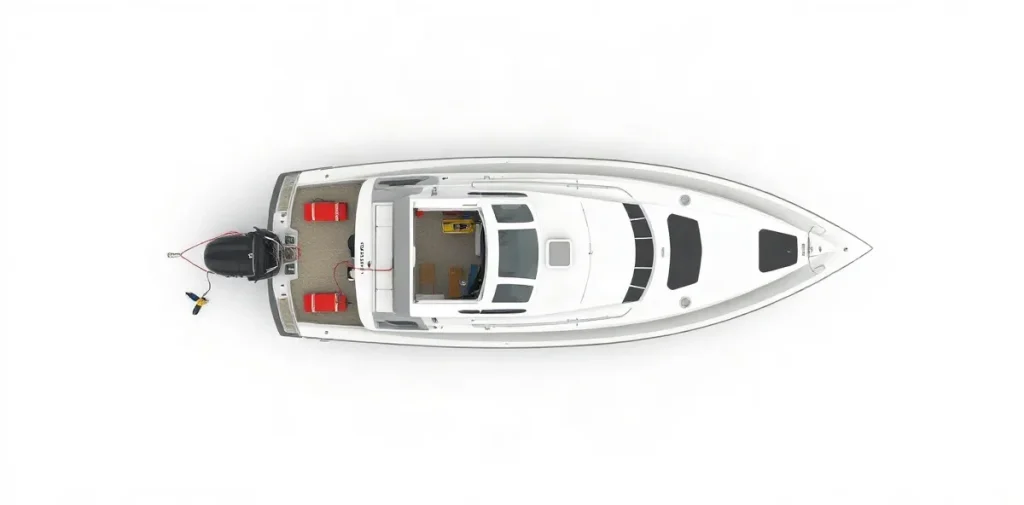
Cabin type and boat size help you compare accommodation and the vessel, but neither tells you by itself how much room you will have to gear up or how the tender arrangements work. Check those details directly with the operator before choosing.
- Cabin type: Compare the specific cabin offered on each trip.
- Boat size: Treat this as one comparison point, not a substitute for checking working space.
- Dive deck and tenders: Ask how much dive deck space is available and what tender arrangements the boat uses.
How do you match a liveaboard route to your experience?
Match a liveaboard route to your experience by checking its minimum dive requirement, planned depths, currents and night dives against your training and recent diving.
Ask the operator whether it sets a minimum dive count. Some liveaboards set a minimum experience requirement, often between 20–50 dives. A required count is only one screening criterion: the route’s conditions and your familiarity with them matter too.
- Depth and certification: PADI’s liveaboard guidance says Advanced Open Water Diver certification or equivalent is the best way to prepare for dives deeper than 18 meters (59 feet). Compare the itinerary’s planned depths with your certification and recent experience.
- Currents: Ask what current conditions are expected on the route and whether they suit your training and experience. Currents vary, including around Komodo, so a destination name alone does not tell you what a dive will demand.
- Night dives: Night dives can be part of a liveaboard itinerary. Ask whether they are planned and decide whether they fit your experience before booking.
When an itinerary includes dives beyond your training or conditions you have not practised recently, ask the operator which dives are optional and what alternatives are available.
What should you check in the boat’s safety plan?
Before booking a liveaboard, ask the operator for its safety-equipment list, emergency plan and dive procedures, then have the crew explain how each applies to your trip and route.
- Equipment aboard: Ask what safety equipment the boat carries and where it is kept. The operator should be able to identify the equipment, not just confirm that a list exists.
- Emergency plan: Ask how the plan works on the chosen route and what the crew’s response would be if an emergency occurred during the trip.
- Dive procedures: Ask how divers enter and exit the tender, and how the crew manages your return to the boat. These steps should be clear before you leave the dive deck.
Komodo conduct
For a Komodo itinerary, ask how the crew briefs divers on local conduct. The expected rules are not to touch marine life, to keep distance from manta rays and not to anchor on reefs. Check how those rules apply at the planned dive sites, particularly when currents or the boat’s position affect the dive.
A useful answer connects the equipment, emergency plan and procedures to the actual route—not just to a general description of the boat.
What does the liveaboard fare include?
A liveaboard fare covers only the items listed by the operator, so compare what each quoted price includes rather than choosing by headline fare alone. Ask whether meals, dives and equipment are included, and which charges are extra.
- Cabin: Check the cabin type named in the fare description; cabins on the same boat may be priced differently.
- Diving: Confirm the planned number of dives and whether the fare includes them.
- Tenders: Ask how tender use is arranged and whether it is covered by the quoted fare.
- Equipment: Find out whether dive equipment is supplied, available to rent or something you must bring yourself. Confirm what is included before packing.
- Extra charges: Ask which costs sit outside the fare, including any charges tied to meals, diving or equipment.
- Baggage: Check the operator’s baggage limits before packing for a week or more aboard; the boat’s storage and your travel luggage both matter.
The fare description is the starting point, not a substitute for confirmation. Ask the operator to clarify any item that is not explicitly listed, especially equipment rental, tender arrangements and baggage limits.
When is a liveaboard trip the wrong fit?
A liveaboard is the wrong fit when its depths, currents or night dives exceed your training or comfort, or when the fare leaves essential costs unclear.
Ask the operator for the actual itinerary, not just the destination name. On a Komodo trip, north-and-central routes and southern manta-focused routes are not interchangeable: the seasonal pattern varies by region. Check which areas the boat plans to visit and when.
- Dive conditions: Compare the planned depths, current exposure and night dives with your experience and comfort. Ask the operator which dives are included in the itinerary.
- Total trip cost: Check whether the fare includes essential equipment, transfers and other trip components. A lower advertised price may not cover what you need.
- Boat and facilities: Compare cabin type, boat size and dive-deck space. The same destination can mean a different trip aboard a different boat.
- Safety procedures: Ask for the boat’s safety equipment list, emergency plan and dive procedures before booking.
For Komodo, confirm whether the route is north and central or south and focused on manta encounters; the destination label alone does not tell you which itinerary you are choosing.
Frequently asked questions
How many dives do I need for a liveaboard?
Do I need Advanced Open Water certification?
When is the best season for a Komodo liveaboard?
What should I ask about liveaboard safety before booking?
Key takeaways
- Choose a route by region and season, not destination name alone.
- Check minimum dive requirements, planned depths, currents and night dives against your experience.
- Request the safety-equipment list, emergency plan and dive procedures before paying.
- Compare cabin, dive deck, tender arrangements and inclusions alongside the fare.
Sources
- dive-the-world.com — “Best Places to Go Diving: Liveaboard and Resort Dive Packages”
- sadko-safarifleet.com — “Liveaboard Dive Boats: How to Choose the Right One for Your Trip”
- dragondivekomodo.com — “Komodo Liveaboard Guide: Seasons, Routes & Real Costs”
- neptuneliveaboards.com — “Liveaboard Safety: How to Check a Dive Boat Before Booking”