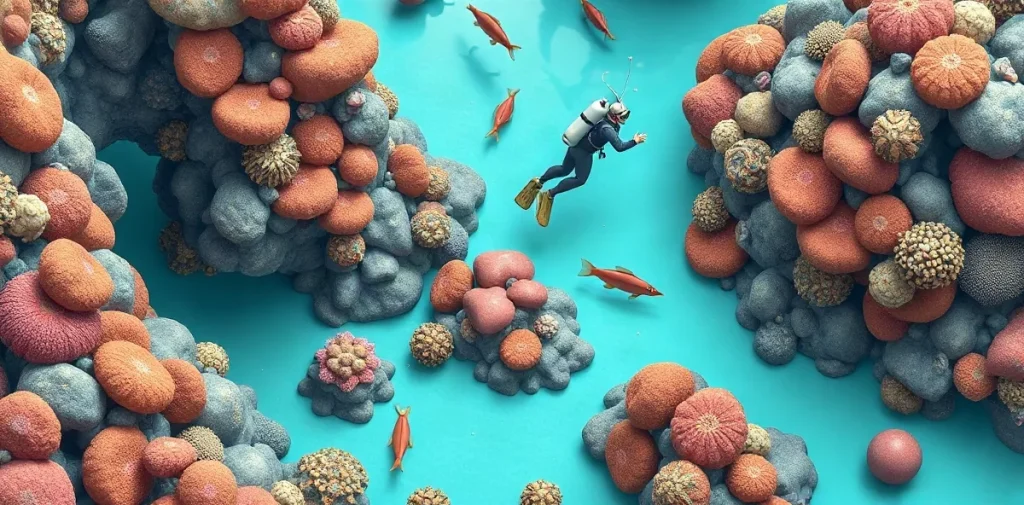
Safe diving practices at the Great Barrier Reef involve respecting both personal health limits and the fragile marine environment by following proper dive planning, using environmentally friendly equipment, and minimizing physical impact on coral and wildlife. Prioritizing hydration, sun protection, and adherence to dive tables or computer guidance is essential for a secure and responsible underwater experience.
The Great Barrier Reef presents unique challenges and opportunities for divers, combining breathtaking biodiversity with delicate ecosystems vulnerable to human activity. Understanding how to balance safe diving techniques with environmental stewardship helps protect this World Heritage site while ensuring diver well-being. This article explores practical health and environmental tips tailored to the reef’s conditions, helping divers enjoy its wonders without causing harm.
For a broader discussion on dive safety fundamentals and managing underwater risks, see our detailed overview «Diving Safety: Comprehensive Insights into Safe Practices and Risk Management». This complementary resource provides foundational knowledge that supports the specialized advice offered here for diving at the Great Barrier Reef.
| Equipment | Example Model | Purpose | Approximate Cost (AUD) |
|---|---|---|---|
| Dive Computer | Suunto D5 | Depth/time monitoring and decompression tracking | 1,200 |
| Surface Marker Buoy (SMB) | OMS 30-inch | Surface signaling to boats | 80 |
| Emergency Oxygen Kit | Standard ASCC-compliant kit | First aid for decompression sickness | 500 |
| Redundant Air Supply | Pony Bottle 3L | Backup air source during deeper or current dives | 600 |
- 1 to 10 cm per year Average coral growth rate at the Great Barrier Reef
- 30 meters Maximum recommended dive depth for recreational divers per AS 2299.1–2007
- 20 divers Maximum diver group size per dive site under Reef 2050 Plan guidelines
- 2 liters Minimum water intake recommended before diving to reduce dehydration risk
- November to April Cyclone season posing higher diving risks in the Great Barrier Reef
What personal health precautions should divers take at the Great Barrier Reef?
Monitoring and Equipment
Divers at the Great Barrier Reef should strictly monitor their dive profiles to avoid surpassing a no-decompression limit of 30 minutes at 18 meters, in line with the Australian Diver Accreditation Scheme (ADAS) guidelines. Using reliable dive computers such as the Suunto D5 or Garmin Descent Mk2 is essential, as these devices accurately track depth and bottom time, helping reduce the risk of decompression sickness by providing real-time data and alerts.
Medical Screening and Hydration
Medical clearance is strongly recommended for divers aged over 45 or those with a history of respiratory or cardiovascular conditions, following advice from Divers Alert Network Australia (DAN Australia). Maintaining proper hydration by consuming at least 2 liters of water before diving is critical, as dehydration is a known factor that increases susceptibility to decompression sickness and other dive-related health issues.
How can divers minimize environmental impact on the Great Barrier Reef?
Coral Protection
Divers can minimize environmental impact on the Great Barrier Reef by avoiding any physical contact with corals, which grow extremely slowly at rates between 1 and 10 centimeters annually. Maintaining buoyancy control to stay at least 1 meter above the reef substrate is essential to prevent sediment disturbance that clouds water and damages fragile coral polyps.
Sunscreen and Operator Selection
- Use reef-safe sunscreens without oxybenzone and octinoxate, chemicals banned in Queensland since 2021 due to their role in coral bleaching.
- Choose dive operators accredited by the Reef Tourism Marine Park Authority, which enforces ecological compliance standards updated in 2023 to protect reef health.
What are the key safety equipment and dive planning recommendations for Great Barrier Reef dives?
Essential Gear
Key safety equipment for diving the Great Barrier Reef includes carrying a surface marker buoy (SMB) like the OMS 30-inch model, which is mandatory on many dive tours to signal diver position and reduce boat collision risk. Dive boats must also be equipped with emergency oxygen kits that comply with the Australian Safety and Compensation Council (ASCC) standards, ensuring prompt treatment capability for decompression illness or other emergencies.
For dives extending beyond 18 meters or in the strong currents common around the Ribbon Reefs, redundant air supply options are strongly recommended. This may include pony bottles or dual tank systems, providing an additional emergency air source to enhance diver safety in challenging conditions.
Dive Profile Planning
- Maximum dive depth should be planned at 30 meters to comply with the Australian Standard AS 2299.1–2007 for recreational diving.
- Bottom time should not exceed 40 minutes to stay within safe no-decompression limits advised by the same standard.
Adhering to these depth and time limits helps minimize decompression sickness risk and aligns with widely accepted safety protocols for recreational divers visiting the reef. Careful dive planning combined with appropriate equipment significantly enhances diver safety in this ecologically sensitive and often dynamic underwater environment.
When might standard safe diving practices at the Great Barrier Reef be insufficient?
Standard safe diving practices at the Great Barrier Reef may be insufficient during periods of strong cyclonic activity, for divers with certain medical conditions, when diving without professional guidance in restricted zones, or if water temperatures fall below critical thresholds that increase hypothermia risk.
Weather and Environmental Risks
Between November and April, cyclonic patterns often generate strong currents and reduce visibility to below 5 meters, complicating navigation and increasing the risk of accidents despite following standard safety protocols. Additionally, sudden drops in water temperature below 23°C during seasonal fluctuations can overwhelm typical wetsuit protection, elevating the chance of hypothermia even when using a standard 3mm neoprene suit commonly recommended in the region.
Health and Regulatory Limits
- Divers with pre-existing health issues such as asthma or diabetes require thorough medical clearance and may need additional monitoring during dives to prevent underwater emergencies.
- Under Queensland’s Marine Parks Regulation 2024, diving in restricted marine zones mandates specific permits and briefings; failure to comply or diving without a professional guide can expose divers to legal and safety hazards.
How do local laws and regulations shape safe diving at the Great Barrier Reef?
Legal Framework
Local laws and regulations such as Queensland’s Marine Parks Act 2023 directly shape safe diving by enforcing zonal restrictions and prohibiting anchoring on reefs to prevent physical damage. Additionally, the Reef 2050 Plan limits diver numbers at popular sites, capping dive groups at 20 individuals to reduce overcrowding and environmental stress.
These measures serve to protect the reef’s delicate ecosystems while also managing diver safety through controlled site usage. The Marine Parks Act’s anchoring ban requires operators to use mooring buoys, minimizing contact with coral. The Reef 2050 Plan’s diver limit is strictly monitored by the Great Barrier Reef Marine Park Authority to maintain sustainable tourism levels and preserve site integrity.
Operator Responsibilities
Dive operators must comply with the Great Barrier Reef Marine Park Authority’s Code of Conduct, updated in 2025, which mandates pre-dive briefings covering no-touch policies and detailed safety protocols. This ensures that all divers understand environmental protection and personal safety before entering the water.
- Dive centres are required to maintain diver certification records and equipment maintenance logs in accordance with Australian Standards, a prerequisite for Marine Tourism accreditation.
- Pre-dive briefings emphasize the prohibition of physical contact with marine life and coral, reinforcing the Reef 2050 Plan’s conservation goals.
These regulatory requirements guarantee that operators uphold high safety and environmental standards, contributing to the reef’s long-term health and diver well-being.
Frequently asked questions
What type of sunscreen is safe to use when diving the Great Barrier Reef?
Is it necessary to have a dive computer for reef dives?
Can beginners dive at the Great Barrier Reef safely?
What should I do if I experience symptoms of decompression sickness after a dive?
Key takeaways
- Use dive computers like Suunto D5 to respect no-decompression limits.
- Apply reef-safe sunscreen free of banned chemicals to protect coral health.
- Follow Queensland’s Marine Parks Act 2023 for legal compliance.
- Stay hydrated and obtain medical clearance if over 45 or with health issues.
- Plan dives not deeper than 30 meters with bottom times under 40 minutes.