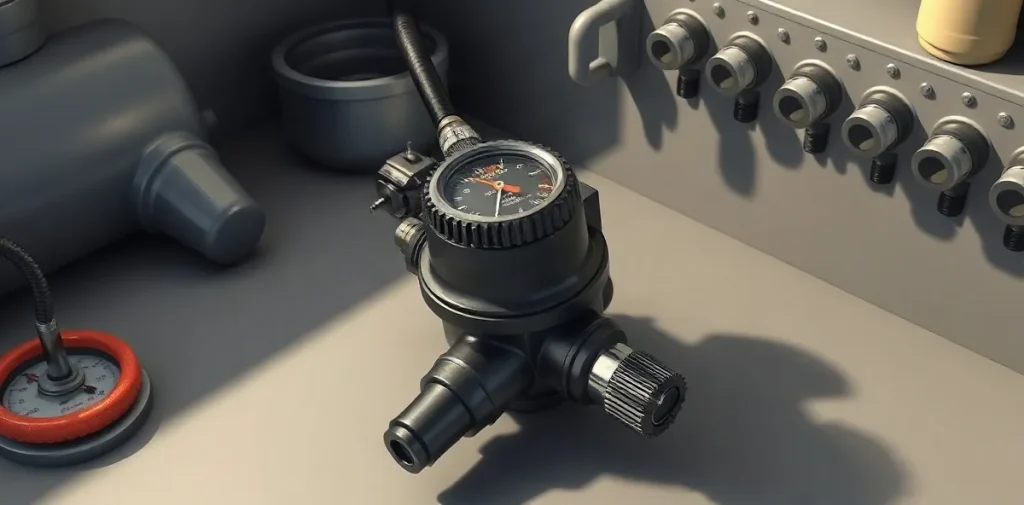
Ensuring the safe use and maintenance of scuba diving equipment requires regular inspection, proper cleaning, timely repairs, and adherence to manufacturer guidelines. Consistent attention to gear condition and function helps prevent malfunctions underwater, protecting diver safety and enhancing dive reliability.
Scuba diving equipment is complex and exposed to harsh environments, making diligent care essential. Understanding how to properly maintain regulators, tanks, buoyancy devices, and other critical components reduces the risk of equipment failure. This article explores practical steps and best practices for safe use and maintenance, offering divers clear guidance to safeguard their underwater experiences.
For a deeper understanding of overall diving safety, including physiological considerations and emergency preparedness, see our comprehensive overview titled «Comprehensive Safety Guide to Diving: Principles, Practices, and Precautions». This foundational knowledge complements the specific focus on equipment care presented here, ensuring divers are fully prepared both above and below the surface.
| Regulator Model | Service Interval | Typical Service Cost (USD) | Manufacturer |
|---|---|---|---|
| Aqua Lung Legend | 12 months / 100 dives | 75–125 | Aqua Lung |
| Scubapro MK25 | 12 months / 100 dives | 100–150 | Scubapro |
| Mares MR12 | 12 months / 100 dives | 75–130 | Mares |
- 12 months / 100 dives Recommended regulator service interval
- 5 years Mandatory cylinder hydrostatic test interval
- 200 bar (approx. 3000 psi) Minimum recommended cylinder pressure before dive
- $75–$150 Typical cost range for professional regulator servicing
- $300–$700 Price range for standard steel scuba cylinders
How often should scuba regulators and cylinders be serviced to ensure safety?
Scuba regulators should be serviced annually or after every 100 dives, whichever comes first, to maintain safety and optimal performance. This recommendation is endorsed by the Professional Association of Diving Instructors (PADI). Regular servicing typically costs between $80 and $150, depending on the model and service provider, and helps prevent equipment failure during dives.
Cylinder Maintenance Requirements
Scuba cylinders require hydrostatic testing every five years to ensure structural integrity and compliance with safety standards such as EN 250 and U.S. Department of Transportation regulations. This testing involves pressurizing the cylinder to detect leaks or deformations and typically costs around $30 to $70 per test. Adhering to these intervals reduces the risk of cylinder rupture and extends the service life of the equipment.
What are the essential daily pre-dive equipment checks divers must perform?
Pressure Verification
Divers must confirm that the cylinder pressure is sufficient for the planned dive, typically checking that it exceeds the minimum safe threshold of 200 bar (approximately 3000 psi). This ensures adequate breathing gas supply throughout the dive and prevents emergency gas depletion. Using a reliable pressure gauge designed for scuba cylinders is essential for accurate measurement before entering the water.
Physical Inspection
- Examine regulator mouthpieces for cracks, tears, or deformities that could compromise the seal or comfort; for example, the Mares MR12 second stage mouthpiece, which costs around $25 to replace, should be swapped out promptly if damaged.
- Inspect hoses for signs of wear, cracks, or leaks, particularly around connection points and bends, to prevent regulator failure underwater.
These daily checks help maintain equipment integrity and ensure diver safety by identifying issues that could lead to malfunctions during dives.
Which maintenance tasks should be done regularly between dives and why?
Post-Dive Cleaning
Regularly flushing regulators with fresh water after every dive is essential to prevent salt and contaminant buildup that accelerates corrosion and mechanical failure. The Divers Alert Network (DAN) has documented that salt residues can increase corrosion rates by up to 40%, reducing regulator lifespan significantly. Using a model like the Apeks RK3 regulator, divers should immerse the first stage in fresh water for at least 10 minutes, ensuring all dust and salt deposits are removed without pressing purge buttons, which could allow water ingress.
Proper Storage
Storing diving gear in a cool, dry place away from direct sunlight is crucial to extend the service life of neoprene wetsuits and O-rings. Ultraviolet (UV) radiation can degrade neoprene by up to 30% in elasticity and strength within six months, as observed in controlled studies by the University of Portsmouth’s Diving Medicine research group. Gear should be kept below 25°C and ideally in ventilated bags designed for dive equipment, with O-rings routinely inspected and replaced at intervals not exceeding 12 months or 300 dives, whichever comes first, to avoid leaks and equipment failure.
What are common equipment-related failures and mistakes to avoid during maintenance?
O-ring Neglect
Failing to replace worn O-rings is a common equipment-related mistake that can lead to leaks and flooding during dives. O-rings, which typically cost under $5 each, serve as critical seals in connectors and valves; their deterioration compromises system integrity and can cause costly damage. For example, a damaged O-ring in a first-stage regulator can allow water intrusion, risking equipment failure underwater.
Routine inspection and replacement of O-rings according to manufacturer recommendations—often every 12 months or after 100 dives—are essential preventive measures. Brands like Apeks and Scubapro supply OEM O-rings designed for specific models, ensuring reliable sealing. Ignoring these small, inexpensive parts can lead to incidents far more expensive than their replacement cost, highlighting the importance of diligent O-ring maintenance.
Delayed Regulator Servicing
Ignoring regular servicing of regulators increases breathing resistance and the risk of free-flow, frequently causing dive aborts. According to diver safety observations, failure to service regulators at recommended intervals—commonly annually or after 100 dives—results in internal corrosion and malfunction. These issues negatively affect breathing comfort and safety underwater.
Professional servicing by certified technicians, such as those authorized by companies like Aqua Lung or Mares, typically costs between $80 and $150 per unit, depending on the model. Delaying this maintenance risks regulator failure and reduced lifespan, making timely servicing an indispensable part of dive equipment upkeep.
When is professional equipment inspection necessary beyond routine maintenance?
Professional equipment inspection beyond routine maintenance is necessary immediately after any impact or suspected damage to a cylinder, and following any regulator free-flow or abnormal performance during a dive. These inspections ensure diver safety by detecting hidden faults before reuse or further dives.
After a cylinder sustains impact or any sign of damage, an immediate visual inspection and hydrostatic test are required before the cylinder can be refilled or reused. The hydrostatic test typically involves pressurizing the cylinder to 5/3 (approximately 1.66) times its working pressure to check for leaks or deformations. This is mandated by standards such as the US DOT 3AA or EN 1968 and usually must be performed every 5 years or sooner after impact. The cost for such testing varies but generally ranges from $30 to $70 per cylinder, depending on the service provider.
Regulator Servicing After Performance Issues
- Regulator free-flow or unusual breathing resistance during a dive requires professional servicing by certified technicians to ensure all internal components function correctly.
- Typical servicing costs range from $75 to $150, including disassembly, cleaning, parts replacement, and lubrication.
- Popular regulator models such as the Scubapro MK25 or Apeks XTX50 require this level of service per manufacturer recommendations if abnormal behavior is detected.
How much does quality scuba equipment cost and what brands are recommended for durability?
Regulator Pricing
Quality scuba regulators typically range from about $500 to over $900, depending on features and brand reputation. Entry-level models like the Aqua Lung Legend cost around $500, offering reliable performance for recreational divers. More advanced regulators such as the Scubapro MK25 exceed $900, featuring enhanced durability and breathing ease for demanding conditions.
Cylinder Brands
Steel scuba cylinders generally cost between $300 and $700, with price influenced by size and certification standards. Leading manufacturers such as Luxfer and Faber are well-regarded for producing durable, high-quality cylinders trusted in the diving community. Choosing cylinders certified to recognized standards ensures safety and longevity.
- Aqua Lung Legend regulator: approximately $500
- Scubapro MK25 regulator: over $900
- Steel cylinders price range: $300 to $700
- Trusted cylinder brands: Luxfer, Faber
- Certification and size significantly affect cylinder cost
Frequently asked questions
What is the maximum service interval for scuba cylinders?
Can I perform regulator maintenance myself?
How do I know when an O-ring needs replacement?
What are the risks of skipping regular equipment maintenance?
Key takeaways
- Adhere strictly to regulator servicing every 12 months or 100 dives for optimal safety.
- Hydrostatically test cylinders every 5 years to comply with safety standards.
- Perform pre-dive pressure and leak checks to detect equipment issues early.
- Flush and properly store gear after each dive to prolong equipment life.
- Seek professional servicing immediately after unusual regulator performance or cylinder impact.