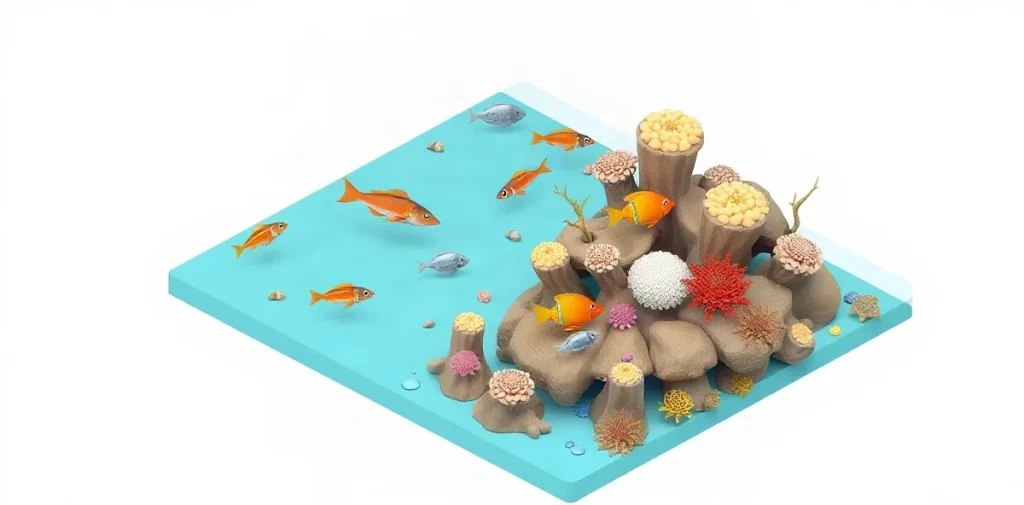
Scuba diving marine biology reveals the diversity of key species, their unique behaviors, and the vital indicators of ecosystem health that divers can observe firsthand. Understanding these elements helps divers appreciate underwater environments and recognize signs of ecological change or stress.
Exploring the intricate relationships between marine organisms and their habitats through scuba diving offers a direct window into the dynamics of underwater ecosystems. From the vibrant coral reefs to the mysterious depths where specialized species thrive, marine biology shapes every dive experience. This article delves into the essential species divers encounter, their behaviors, and how these observations reflect the overall condition of marine ecosystems.
For a broader understanding of underwater activities and the scientific principles that govern safe and informed diving practices, see our comprehensive overview titled «Diving: Comprehensive Exploration of Underwater Activities, Science, and Safety». Meanwhile, this focused discussion on scuba diving marine biology will deepen your insight into the living world beneath the waves, enriching both your knowledge and your dives.
| Species | Size/Weight | Behavior | Significance for Divers |
|---|---|---|---|
| Lionfish (Pterois volitans) | Up to 38 cm length | Venomous spines, invasive | Risk of painful stings, ecological threat |
| Green sea turtle (Chelonia mydas) | Up to 160 kg weight | Slow-moving, protected species | Indicator of reef health, protected by law |
| Manta ray (Manta birostris) | Wingspan up to 7 m | Filter feeder, non-aggressive | Sign of plankton abundance, popular sighting |
| Damselfish (Pomacentridae) | 5–15 cm length | Territorial, aggressive to intruders | Requires cautious approach to avoid stress |
| Blue-ringed octopus (Hapalochlaena lunulata) | Up to 20 cm length | Venomous, displays warning rings | High risk due to lethal venom |
- 7 meters Maximum wingspan of manta ray (Manta birostris)
- 50% Decline in Acropora cervicornis coral populations since 1980
- 500 kg/ha Sustainable fish biomass density threshold in coral reefs
- 30°C Water temperature threshold associated with coral bleaching
- 1 square meter Typical territorial range defended by damselfish
What are the essential marine species divers should identify underwater?
Critical Species for Identification
Divers should prioritize recognizing key marine species such as the lionfish and the green sea turtle, both of which have significant ecological and conservation relevance. The lionfish (Pterois volitans) is an invasive species in the Caribbean since the 1980s known for venomous spines that can cause severe pain. The green sea turtle (Chelonia mydas), listed under CITES Appendix I since 1975, is a protected species frequently seen on tropical reefs, with adults weighing up to 160 kg.
Indicator Species of Ecosystem Health
Species like the manta ray and certain corals serve as indicators of reef ecosystem vitality. The manta ray (Manta birostris), with wingspans reaching 7 meters, is a filter feeder whose presence reflects healthy plankton levels. Coral species such as Acropora cervicornis are essential reef builders but have suffered nearly a 50% global decline since 1980 due to bleaching events, signaling ongoing environmental stress to coral ecosystems.
How does understanding marine animal behavior enhance diver safety and experience?
Behavioral Patterns to Know
Recognizing territorial behaviors among marine species like damselfish (family Pomacentridae), which defend territories roughly 1 square meter in size, is vital to reducing diver-fish conflicts and ensuring safe interactions. The bright warning displays of the blue-ringed octopus (Hapalochlaena lunulata), which flashes iridescent blue rings when threatened, signal a need for immediate avoidance, as its venom is among the most potent in the ocean. Knowledge of such species-specific behaviors enhances diver awareness and prevents dangerous encounters during dives.
Timing and Safety Considerations
Understanding when nocturnal predators such as the moray eel (Gymnothorax funebris) are active—primarily after sunset—allows divers to plan dives during safer daylight hours. Similarly, awareness of grouper (Epinephelus spp.) spawning aggregations, which occur in spring at particular reef sites and can involve hundreds of individuals, helps divers avoid disturbing these critical reproductive events. Timing dives around these behaviors not only improves diver safety but also supports ecosystem health by minimizing human impact on sensitive marine life cycles.
What indicators reveal the health status of a marine ecosystem relevant to divers?
Thermal and Biological Stress Markers
Key indicators of marine ecosystem health relevant to divers include coral bleaching thresholds and fish biomass density, which reflect environmental stress and biological productivity. Coral bleaching typically occurs when sea temperatures exceed 30°C for more than seven consecutive days, causing the loss of symbiotic algae crucial for reef vitality. This thermal stress leads to visible reef degradation and diminished habitat quality for marine life.
Fish biomass density serves as a direct measure of ecosystem productivity and resilience. A sustainable coral reef environment generally maintains fish biomass above 500 kilograms per hectare, supporting balanced trophic interactions and biodiversity. Values below this threshold often signal overfishing or habitat degradation, impacting species diversity and ecosystem services vital to diving experiences.
Visual and Population Health Indicators
Water visibility and apex predator presence provide additional insights into ecosystem condition. Visibility less than 10 meters often correlates with increased sedimentation and nutrient loading, which can smother corals and reduce photosynthetic efficiency. Clear waters above this threshold are indicative of lower pollution and healthier reef systems.
- Shark density: Balanced trophic levels are indicated by apex predator presence, with healthy reefs supporting densities higher than 0.1 sharks per hectare; lower densities frequently result from overfishing pressures.
- Water clarity: Visibility under 10 meters suggests environmental stress from sediment or nutrient runoff detrimental to reef health.
Monitoring these indicators helps divers assess the sustainability and ecological integrity of dive sites, guiding conservation and responsible diving practices.
When do marine biology observations during a dive become unreliable or misleading?
Behavioral and Temporal Limitations
Marine biology observations during a dive become unreliable when species are inactive or concealed, especially nocturnal animals that avoid daytime activity, leading to incomplete biodiversity assessments. For instance, many nocturnal reef fish, like certain cardinalfish (Apogonidae), remain hidden during daylight hours, causing underestimation of species richness in surveys conducted between 09:00 and 17:00. Additionally, seasonal phenomena such as spawning aggregations of groupers (Epinephelinae) in the Caribbean during spring months temporarily alter local species distributions, misrepresenting typical community structures if observations coincide with these periods.
Observer and Environmental Biases
Human presence and noise pollution can significantly influence animal behavior, causing fish to flee or hide, which skews natural observations and leads to biased data. For example, loud underwater equipment exceeding 110 decibels may disturb sensitive species like damselfish (Pomacentridae). Inexperienced divers may also contribute to misidentification errors, such as confusing harmless butterflyfish (Chaetodontidae) with venomous scorpionfish (Scorpaenidae), particularly when relying on identification guides without adequate training. These factors highlight the importance of diver expertise and minimal disturbance protocols to ensure accurate marine biological data collection.
How can divers apply marine biology knowledge to support conservation and sustainable diving?
Conservation Protocols
Adhering to established marine protected area (MPA) guidelines is essential for divers to support ecosystem preservation. The Great Barrier Reef Marine Park Authority (GBRMPA) has enforced zoning regulations since 1975 that restrict activities in sensitive reef areas, helping maintain biodiversity and habitat integrity. By respecting these zones, divers help prevent physical damage and support ongoing conservation efforts.
Participating in citizen science programs like Reef Check enables divers to contribute valuable data on reef health. Reef Check diver surveys collect information on coral cover and species abundance, providing insights into ecosystem changes over time. Such involvement promotes awareness and aids scientific monitoring crucial for adaptive management of marine environments.
Best Practices for Sustainable Diving
- Use reef-safe sunscreen products that exclude harmful chemicals such as oxybenzone and octinoxate to reduce coral bleaching risk documented by multiple studies.
- Follow PADI’s environmental guidelines introduced in 2020, which emphasize limiting physical contact with marine life and substrate to minimize habitat disturbance and avoid degradation.
By integrating these practices, divers reduce their ecological footprint and help sustain marine environments for future generations, demonstrating how marine biology knowledge directly informs responsible diving behavior.
Frequently asked questions
What marine species pose direct risks to scuba divers?
How can divers identify coral bleaching during a dive?
Are there specific times when observing marine life is best for divers?
What is the role of marine protected areas for diving ecosystems?
Key takeaways
- Lionfish are invasive and venomous, posing hazards to divers in Caribbean reefs.
- Coral bleaching often results when sea temperatures exceed 30°C for a week or more.
- Recognizing species behavior reduces risk and enhances dive experience.
- Marine protected areas play a crucial role in preserving ecosystem health.
- Observer bias and temporal factors can limit accuracy of marine life surveys.