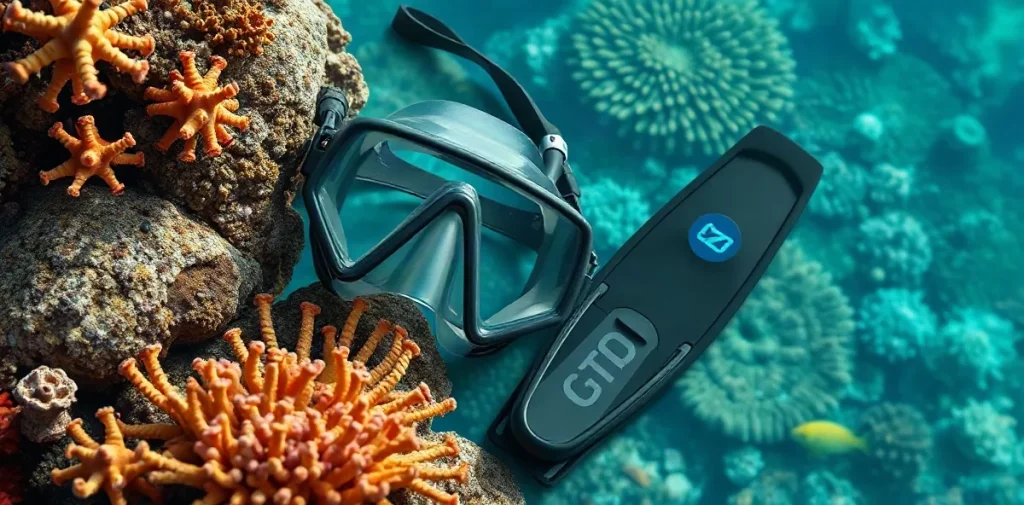
Raja Ampat diving requires lightweight tropical gear suited for warm, clear waters, including a 3mm wetsuit, reliable mask, fins, snorkel, and a quality dive computer to navigate diverse currents and depths safely. Understanding local marine conditions and having proper equipment ensures a rewarding underwater experience in this renowned biodiversity hotspot.
Located in Indonesia’s Coral Triangle, Raja Ampat offers some of the richest marine ecosystems on the planet, attracting divers eager to explore vibrant coral reefs and abundant marine life. The region’s diving conditions vary from calm lagoons to stronger currents around offshore reefs, making careful gear selection essential for comfort and safety. This article explores the key equipment and environmental factors every diver should consider before venturing into Raja Ampat’s waters.
For divers seeking a comprehensive understanding of dive preparation and safety, our detailed overview in «Diving Fundamentals: An Authoritative Guide to Underwater Exploration and Safety» provides foundational knowledge. Meanwhile, this guide focuses specifically on how to optimize your gear and approach to meet the unique challenges and wonders of Raja Ampat diving.
| Wetsuit Thickness | Recommended Depth Range | Thermal Comfort | Typical Price Range (USD) |
|---|---|---|---|
| 5mm | 0–15 meters | Marginal in cooler deeper dives | 100–180 |
| 7mm | 0–30 meters | Optimal balance for tropical dives | 150–250 |
| 3mm shorty | 0–10 meters | Suitable for very shallow, warm conditions | 80–130 |
- 28–30°C Typical surface water temperature range in Raja Ampat
- 15–30 meters Average underwater visibility range
- 3 knots Maximum common tidal current speed
- 7–10 days Average duration of liveaboard dive trips
What are the typical water conditions divers face in Raja Ampat?
Water Temperature and Clarity
Divers in Raja Ampat encounter surface water temperatures consistently between 28 and 30°C throughout the year, making lightweight thermal protection such as a 3mm wetsuit advisable despite the tropical setting. Visibility typically ranges from 15 to 30 meters, varying by season and specific dive site, where nutrient influx and plankton blooms can reduce clarity during certain months.
Current Patterns and Seasonality
- Currents: Moderate currents up to 3 knots are common, especially during tidal shifts, requiring divers to be prepared for varying water movement.
- Seasonality: The prime diving season runs from October to April, coinciding with the wet season but featuring relatively calmer seas favorable for diving excursions.
Which diving equipment is essential for Raja Ampat’s environment?
Thermal Protection
A 7mm neoprene wetsuit is essential for Raja Ampat’s tropical waters, providing an optimal balance between thermal insulation and flexibility in 28°C temperatures. This thickness helps divers maintain comfort during extended dives, especially in shaded or deeper areas where water temperature can drop slightly. For example, wetsuits like the O’Neill Epic 7/5mm are widely used and typically retail around $350 to $450, offering durable protection without sacrificing mobility.
Complementing the wetsuit, reef-safe sunscreen with non-nano zinc oxide is recommended to protect skin while preserving delicate marine ecosystems. Additionally, wearing protective gloves made from thin neoprene or Lycra guards against coral abrasion and stings, essential in Raja Ampat’s sensitive reef environment where contact can cause injury or damage the coral itself.
Breathing Apparatus and Monitoring
A high-quality, balanced first-stage regulator such as the Scubapro MK25 EVO ensures consistent and reliable air delivery in humid, tropical conditions common to Raja Ampat. This regulator is favored for its durability and performance, retailing near $1,200. Divers also benefit from dive computers with nitrox capability, like the Suunto D5, which supports enriched air mixes frequently used to extend bottom times here and costs approximately $700.
- Scubapro MK25 EVO regulator: balanced first stage, reliable in humid conditions, ~$1,200
- Suunto D5 dive computer: nitrox capable, user-friendly interface, ~$700
- Reef-safe sunscreen: non-nano zinc oxide formulations to protect marine life
- Protective gloves: thin neoprene or Lycra to prevent coral injury
How does nitrox use enhance diving safety and bottom time in Raja Ampat?
Using nitrox mixes with oxygen concentrations between 32% and 36% in Raja Ampat enhances diving safety by reducing nitrogen absorption, which extends no-decompression limits and allows longer bottom times. This is particularly advantageous for multi-day liveaboard trips, where managing nitrogen load is crucial for repeated dives without increasing decompression sickness risk.
Benefits of Nitrox
- Nitrox blends with 32–36% oxygen extend no-decompression limits compared to air, allowing divers to stay longer at depth safely.
- Reduced nitrogen uptake lowers decompression stress, improving diver safety on consecutive dives during multi-day trips.
- Dive computers programmed for nitrox profiles calculate precise decompression stops, minimizing the risk of decompression illness.
Operational Availability
Dive operators such as Papua Diving Centre provide nitrox fills meeting ISO 13293 standards, ensuring high-quality and reliable gas mixtures. Prices for nitrox fills in Raja Ampat typically range around 100,000 to 150,000 Indonesian Rupiah per fill, making nitrox accessible for most divers. This operational support is essential for safely maximizing dive times in Raja Ampat’s rich underwater ecosystems.
What are common equipment-related challenges or mistakes divers encounter in Raja Ampat?
Thermal Comfort and Safety
Divers in Raja Ampat often underestimate the need for adequate thermal protection, leading to discomfort from cold at depth despite warm surface conditions. Surface temperatures range around 29–31°C, but water temperatures can drop to 23°C or lower below 20 meters, making a 3–5 mm neoprene wetsuit or a 2 mm shorty with a thermal vest essential. Renting or carrying a surface marker buoy (SMB) is crucial, as strong currents and boat traffic in popular sites like Cape Kri and Mioskon increase the risk of separation; the cost to rent an SMB typically ranges from $5 to $15 per day through local dive shops in Sorong.
Equipment Maintenance and Environmental Compliance
In Raja Ampat’s humid tropical environment, regulator maintenance is critical to prevent corrosion and free-flow malfunctions. Dive operators recommend servicing regulators every 12 months or after 100 dives, with brands like Scubapro and Apeks offering models designed for tropical conditions with corrosion-resistant components. Ignoring local environmental regulations, such as the Raja Ampat Marine Protected Area rules established in 2007, can lead to fines and restricted access; these regulations prohibit touching or collecting coral, and enforcement has increased to preserve the region’s biodiversity.
How should divers prepare logistically and physically for Raja Ampat trips?
Trip Duration and Gear Preparedness
Raja Ampat liveaboard trips usually last between 7 and 10 days, necessitating careful planning for spare equipment and essentials. Divers should pack extra O-rings and mask straps, as these small parts often wear out or get lost during extended trips in remote areas. For example, carrying at least two spare O-rings per regulator second stage and an additional mask strap is recommended to avoid interruptions. Booking through established operators such as Raja Ampat Dive Resort ensures access to quality gear and on-board support, which is crucial given the region’s logistical challenges.
Physical and Insurance Considerations
Physical conditioning tailored to diving activities is vital for managing Raja Ampat’s strong currents and multiple daily dives, with cardiovascular fitness exercises like swimming or cycling improving stamina. Divers should aim to engage in 30 minutes of aerobic exercise at least five times per week prior to the trip. Additionally, comprehensive travel insurance that explicitly covers dive accidents is essential due to the limited hyperbaric chamber facilities in the area. Policies from providers specializing in dive travel typically cost between $100 and $200 for a 10-day period, offering crucial emergency evacuation and treatment coverage.
Frequently asked questions
Is a drysuit necessary for diving in Raja Ampat?
Can I rent nitrox tanks locally in Raja Ampat?
What current strength should I expect at Raja Ampat dive sites?
Are there any special environmental regulations I should know?
Key takeaways
- 7mm wetsuits balance warmth and flexibility in tropical Raja Ampat waters
- Nitrox use extends bottom time and reduces decompression risk on multi-dive days
- Moderate currents up to 3 knots require appropriate surface marker buoys and current awareness
- Reliable regulator maintenance is critical in humid tropical environments
- Booking with reputable operators ensures compliance with environmental and safety standards