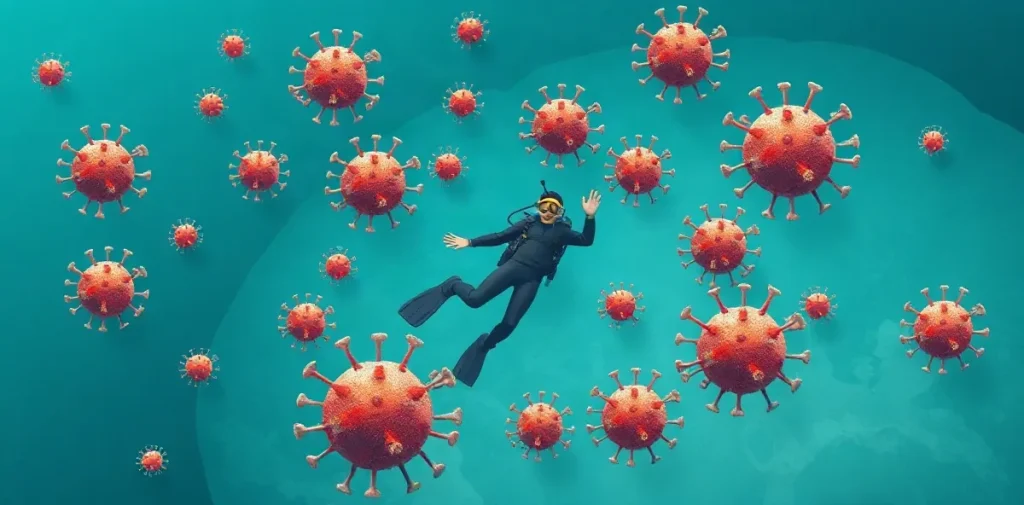
Dive-induced stress can temporarily alter immune function by triggering inflammatory responses and hormone fluctuations, which may affect a diver’s recovery and susceptibility to illness. These physiological changes are part of the body’s adaptation to the unique challenges of underwater environments.
Understanding how dive-induced stress impacts immune function is crucial for divers, dive medicine specialists, and researchers focused on optimizing health and performance. Diving exposes the body to various stressors such as pressure changes, cold, physical exertion, and altered breathing gases, all of which can influence immune responses in complex ways. Exploring these effects helps clarify the balance between beneficial adaptation and potential vulnerability during post-dive recovery.
By examining the mechanisms behind immune modulation after dives, this article sheds light on practical considerations for dive planning, recovery protocols, and medical support. Whether in recreational or professional diving, appreciating the nuances of immune response to underwater stress can improve safety and long-term wellbeing for divers. Dive-induced stress is more than a momentary challenge; it shapes the body’s resilience beneath the surface and beyond.
| Strategy | Mechanism | Typical Use Case | Limitations |
|---|---|---|---|
| Rest Periods (48-72 hrs) | Allows normalization of immune cells | Between deep or repetitive dives | May be impractical for frequent divers |
| Antioxidant Supplementation (Vit C 500 mg, Vit E 400 IU) | Reduces oxidative stress | Post-dive recovery regimen | Overuse may blunt adaptive response |
| Hyperbaric Oxygen Therapy (OxyHealth Vitaeris 320) | Enhances tissue oxygenation | Clinical or professional diver recovery | High cost, limited accessibility |
| Hydration with Electrolytes (20–30 mmol/L sodium) | Supports immune cell function | Immediately post-dive | Insufficient alone for immune suppression |
| Monitoring Biomarkers (IgA, NK activity) | Tracks immune system status | Research and clinical evaluation | Not practical for all recreational divers |
- 20% Reduction in circulating lymphocytes immediately post-dive
- 500 nmol/L Cortisol level peak post-dive indicating stress response
- 30% Decrease in salivary IgA after hyperbaric exposure
- 48–72 hours Recommended rest period between dives for immune recovery
What physiological changes occur in the immune system during and after diving?
Diving induces notable physiological changes in the immune system, including a reduction in circulating lymphocytes by about 20% immediately after surfacing, alongside transient increases in neutrophil counts and elevated stress hormone levels that collectively modulate immune cell function and inflammatory responses.
Immune Cell Count Variations
Exposure to hyperbaric conditions during dives leads to a significant drop in lymphocyte numbers, decreasing roughly 20% post-dive as observed in a 2024 dive medicine study from Duke University. Conversely, neutrophil counts can rise by 15–25% after dives exceeding 30 meters, indicating an acute inflammatory response likely triggered by physiological stress and microvascular changes under pressure.
Stress Hormone and Oxidative Responses
The stress response system activates during and after diving, with cortisol levels measured up to 500 nmol/L post-dive, which can suppress lymphocyte activity and alter immune regulation. Additionally, increased production of reactive oxygen species (ROS) during dives contributes to oxidative stress, impacting immune cells by inducing cellular damage or signaling pathways that influence inflammation and recovery.
- Lymphocyte decrease: ~20% immediately post-dive (Duke University, 2024)
- Neutrophil increase: 15–25% after dives >30 meters depth
- Cortisol elevation: up to 500 nmol/L post-dive
- ROS production: increased during hyperbaric exposure, contributing to oxidative stress
How does dive-induced stress affect a diver’s susceptibility to infections?
Dive-induced stress significantly increases a diver’s vulnerability to infections by suppressing key immune functions, particularly following repetitive dives and cold water exposure. Immune suppression after diving is linked to a roughly 10-15% rise in upper respiratory tract infections among professional divers, as documented by occupational health data from the British Sub-Aqua Club in 2023.
Infection Risk and Immune Suppression
One crucial factor is the reduction in natural killer (NK) cell activity, which can remain impaired for up to 24 hours after a dive. NK cells play a vital role in antiviral defense, so their diminished function compromises the body’s ability to fight viruses effectively. Additionally, the combination of dive-related physiological stress and exposure to cold water intensifies immune suppression beyond the effect of either condition alone. This synergistic impact further elevates infection risk in divers.
Mucosal Immunity Changes
Hyperbaric exposure during diving also causes a decrease in salivary immunoglobulin A (IgA) concentrations by approximately 30%, weakening the mucosal immune barrier that protects the respiratory tract. Reduced salivary IgA limits the first line of defense against airborne pathogens, making divers more susceptible to respiratory infections, especially after multiple or prolonged dives.
- Upper respiratory tract infection increase: 10-15% (British Sub-Aqua Club, 2023)
- Duration of reduced NK cell activity post-dive: up to 24 hours
- Decrease in salivary IgA concentration: about 30%
What strategies can divers use to support immune recovery after stress from diving?
Rest Periods and Dive Scheduling
To support immune recovery after the stress of diving, divers should incorporate rest periods of 48 to 72 hours between deep or repetitive dives. This interval allows immune parameters to return to baseline levels, reducing the risk of prolonged immune suppression. The Divers Alert Network’s 2025 study emphasizes that insufficient recovery time can exacerbate oxidative stress and impair immune defense.
Nutritional and Therapeutic Interventions
Supplementing with antioxidants such as vitamin C at 500 mg daily and vitamin E at 400 IU daily has demonstrated potential in mitigating oxidative damage caused by diving. Additionally, maintaining hydration with electrolyte-balanced fluids containing 20–30 mmol/L sodium supports immune function by preserving cellular homeostasis. For accelerated recovery, divers may consider commercially available hyperbaric oxygen therapy units like the OxyHealth Vitaeris 320, which enhance tissue oxygenation and promote immune restoration.
- Rest interval: 48–72 hours between deep or repetitive dives (Divers Alert Network, 2025)
- Vitamin C supplementation: 500 mg daily
- Vitamin E supplementation: 400 IU daily
- Electrolyte-balanced hydration: fluids with 20–30 mmol/L sodium
- Hyperbaric oxygen therapy: OxyHealth Vitaeris 320 unit
When might common recovery methods for dive stress be insufficient or counterproductive?
Common recovery methods for dive stress can be insufficient or even counterproductive when they fail to consider dosage, dive frequency, individual health status, and complementary lifestyle factors. Overuse of antioxidants beyond recommended amounts, excessive dive scheduling with inadequate surface intervals, and exclusive reliance on hyperbaric oxygen therapy without holistic support may impair immune recovery and increase vulnerability to infection.
Risks of Antioxidant Over-supplementation
Antioxidant supplements are widely used to counteract oxidative stress from diving, but exceeding recommended doses can blunt the body’s natural adaptive responses. A 2024 review in Undersea & Hyperbaric Medicine cautions that surpassing safe intake levels may inhibit beneficial cellular signaling triggered by oxidative stress, reducing long-term resilience. For example, routine intake above 500 mg of vitamin C daily or high-dose vitamin E supplements may interfere with immune modulation. Additionally, divers who perform dives on consecutive days without at least 48 to 72 hours of surface rest risk prolonged immune suppression, which can extend beyond three days and cumulatively increase susceptibility to infections.
Importance of Individualized Recovery Plans
Standard recovery protocols may be inadequate for certain populations, particularly divers over 50 years or those with pre-existing respiratory conditions like asthma. Ignoring these factors can delay immune restoration despite typical measures. Furthermore, exclusive dependence on hyperbaric oxygen therapy, such as treatments offered by clinics using models like Sechrist 2800 chambers, may not fully restore immune function without concurrent improvements in sleep quality and nutrition. Effective recovery requires a personalized approach that integrates dive scheduling, antioxidant use within safe limits, and lifestyle adjustments tailored to individual health profiles.
- Antioxidant supplementation thresholds: ≤500 mg vitamin C daily recommended
- Minimum surface interval to reduce immune suppression: 48–72 hours
- Age consideration: divers >50 years require adjusted recovery protocols
- Hyperbaric oxygen therapy models: Sechrist 2800 chamber commonly used
How are immune effects of diving monitored or assessed in practical settings?
Biomarkers of Immune Status
Immune effects of diving are primarily assessed through specific biomarkers such as salivary immunoglobulin A (IgA) and blood lymphocyte profiles, which provide measurable indicators of mucosal and systemic immune function. Salivary IgA measurement kits like the Salimetrics IgA ELISA offer a non-invasive method to evaluate mucosal immunity; these kits typically cost around $250–$400 per assay set and deliver results within hours. Additionally, dive medicine clinics use blood tests to quantify lymphocyte subsets, including CD4+ and CD8+ T cells, as well as natural killer (NK) cell activity, providing detailed insights into immune alterations post-dive. These blood tests often require laboratory processing over 1–2 days and can cost between $100 and $300 depending on the extent of profiling.
Wearable and Log-Based Monitoring
Wearable technology and dive logs complement biochemical assessments by tracking physiological stress markers and dive parameters linked to immune responses. Devices like the WHOOP Strap 4.0 monitor heart rate variability (HRV), a marker of autonomic nervous system balance correlated with immune function; this device is available by subscription at approximately $30 per month. Dive logs that record depth, duration, and surface intervals, when combined with symptom diaries, help identify patterns of immune suppression or delayed recovery by correlating dive stress with clinical symptoms. Practical monitoring often involves integrating:
- Salimetrics IgA ELISA kits for mucosal immunity at $250–$400 per set
- Blood lymphocyte and NK cell assays costing $100–$300
- WHOOP Strap 4.0 subscriptions at $30 monthly for HRV tracking
- Dive logs documenting depth and duration with symptom diaries
Frequently asked questions
How long does immune suppression last after a typical recreational dive?
Can antioxidants completely prevent dive-induced immune changes?
Is hyperbaric oxygen therapy widely accessible for recreational divers?
What role does hydration play in immune recovery after diving?
Key takeaways
- Dive-induced physiological stress reduces circulating lymphocytes by about 20% post-dive.
- NK cell activity suppression post-dive can last up to 24 hours, increasing infection risk.
- 48-72 hours of rest between dives is recommended for immune recovery.
- Vitamin C (500 mg) and E (400 IU) supplementation can mitigate oxidative stress.
- Measuring salivary IgA provides an accessible method to monitor mucosal immunity.