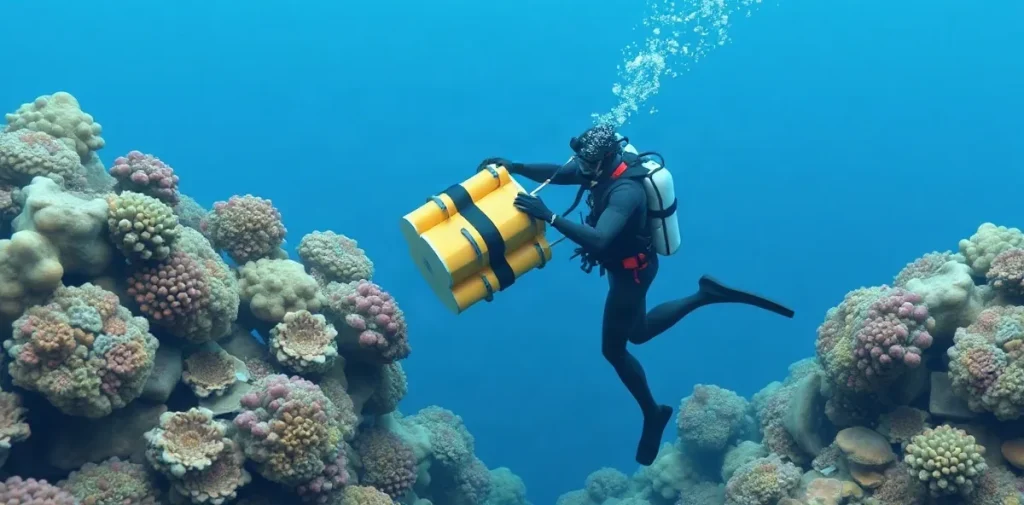
Precise buoyancy control directly reduces dive accidents by enabling divers to maintain proper depth, avoid rapid ascents or descents, and minimize physical exertion underwater. This control helps prevent barotrauma, decompression sickness, and collisions with underwater hazards, making it a critical skill for safe diving.
Mastering buoyancy means carefully adjusting breathing and equipment to achieve neutral buoyancy at various depths. Without this skill, divers risk uncontrolled vertical movement that can lead to dangerous pressure changes or exhausting efforts to stabilize. Understanding how precise buoyancy control prevents dive accidents is essential for both novice and experienced divers seeking to enhance safety and enjoyment underwater.
| Equipment | Price (USD) | Key Feature | Intended Use |
|---|---|---|---|
| Scubapro Hydros Pro BCD | 850 | Integrated weight system, adjustable air bladder | Recreational and technical diving |
| Apeks WSX Weight System | 600 | Quick-release integrated weights | Recreational diving |
| Shearwater Perdix AI Dive Computer | 1400 | Real-time depth and ascent rate monitoring | Advanced buoyancy and decompression monitoring |
| Standard Buoyancy Compensator (generic) | 150-300 | Basic inflation/deflation control | Entry-level recreational diving |
- 9 meters per minute Maximum safe ascent rate per NOAA Diving Manual
- 40 meters Recreational dive depth limit under CMAS 3-star certification
- 25% Dive incidents linked to incorrect weighting per BSAC
- $850 Approximate retail price of Scubapro Hydros Pro BCD
- 50% Possible reduction in air consumption through neutral buoyancy
What is buoyancy control and why is it critical for dive safety?
Definition of buoyancy control
Buoyancy control is the skill of managing a diver’s position underwater by precisely adjusting their net weight and the volume of gas they carry, primarily through their Buoyancy Compensator Device (BCD). For example, the Scubapro Hydros Pro BCD, priced around $850, allows divers to finely tune their buoyancy by adding or releasing air to maintain stability in the water column.
Achieving neutral buoyancy means neither sinking nor floating, which minimizes physical effort and conserves breathing gas. Recreational divers typically aim to maintain neutral buoyancy at depths up to 40 meters, aligning with limits set by standards such as the CMAS 3-star certification. Effective buoyancy control relies on balancing weight systems, gas volume adjustments in the BCD, and proper breathing techniques.
Importance for diver safety
Precise buoyancy control is critical for dive safety because it reduces the risk of accidents like barotrauma and decompression sickness by preventing uncontrolled ascents or descents. According to the Divers Alert Network (DAN), poor buoyancy control contributes to a significant portion of diving accidents, highlighting its role in safe dive profiles and controlled depth changes.
- Neutral buoyancy reduces air consumption, extending bottom time and decreasing rapid ascent risk.
- Maintaining buoyancy within the recreational limit of 40 meters helps avoid nitrogen narcosis and decompression obligations.
- Use of advanced BCDs, such as the Scubapro Hydros Pro, supports precise buoyancy adjustments needed for safe diving.
How does precise buoyancy management reduce physical strain underwater?
Energy savings through neutral buoyancy
Precise buoyancy control directly reduces physical strain underwater by enabling divers to maintain neutral buoyancy, which minimizes unnecessary finning and body movement. According to dive physiology research supported by the Undersea and Hyperbaric Medical Society (UHMS), maintaining neutral buoyancy can reduce air consumption by up to 50%, significantly extending dive duration and decreasing fatigue. Divers who achieve neutral buoyancy expend less muscular effort, which lowers heart rates and conserves energy, contributing to safer and more comfortable dives.
Equipment enabling fine adjustments
Using high-quality buoyancy compensators with integrated weight systems allows divers to make precise buoyancy adjustments, preventing rapid depth changes that increase exertion. For example, the Apeks WSX BCD, retailing for approximately $600, offers an integrated weight system that facilitates fine-tuning buoyancy during a dive. Additionally, divers trained under PADI Advanced Open Water standards in hover skills and controlled ascents experience less muscle strain and maintain lower heart rates underwater, demonstrating the importance of both equipment and training in managing physical effort.
- Air consumption reduction: up to 50% with neutral buoyancy (UHMS research)
- Apeks WSX BCD price: approximately $600
- PADI Advanced Open Water hover and ascent training standards
What injury risks are minimized by good buoyancy control?
Prevention of barotrauma
Precise buoyancy control significantly reduces the risk of barotrauma by preventing rapid, uncontrolled depth changes that cause pressure imbalances in air spaces. Following the NOAA Diving Manual (6th Edition, 2022), ascents should not exceed 9 meters per minute to avoid lung overexpansion injuries such as pulmonary barotrauma. Maintaining stable buoyancy allows divers to ascend smoothly, avoiding sudden pressure drops that can rupture lung tissue or damage sinuses and ears.
Lowering decompression sickness risk
Stable buoyancy control also minimizes decompression sickness (DCS) by enabling consistent depth profiles and reducing unnecessary physical exertion, which can increase inert gas uptake and bubble formation. Controlled buoyancy helps divers adhere closely to decompression stop times, especially below the 18-meter threshold where stops are critical. This careful depth management aligns with established decompression protocols, thereby lowering DCS risk. Additionally, good buoyancy reduces accidental contact with hazardous underwater elements like coral or sharp debris, decreasing the chance of cuts or envenomation injuries reported by Divers Alert Network cases.
- Ascents limited to ≤ 9 meters per minute (NOAA Diving Manual, 2022)
- Mandatory decompression stops below 18 meters
- Avoidance of physical exertion that elevates bubble risk
- Minimizing contact with coral and sharp objects to prevent cuts and envenomation
What common buoyancy control mistakes increase accident risk?
Overweighting and its effects
Excessive weighting is a primary buoyancy control mistake that significantly raises the risk of dive accidents by causing divers to sink uncontrollably. Data from the British Sub-Aqua Club (BSAC) reveals that incorrect weighting is a factor in about 25% of dive incidents involving loss of control. Divers who carry too much lead struggle to maintain neutral buoyancy, especially during descent and at safety stops, increasing the likelihood of rapid, uncontrolled descents that can lead to barotrauma or decompression sickness.
Buoyancy changes during the dive
Failing to adjust buoyancy compensators to account for gas consumption and depth changes is another common error that jeopardizes diver safety. As a dive progresses, the weight of the breathing gas decreases, often causing positive buoyancy near the end of the dive if no adjustments are made, which can trigger uncontrolled rapid ascents. Additionally, neglecting to check and correct buoyancy after changing depth by more than 10 meters leads to poor depth control and a higher risk of accidents.
- Incorrect weighting contributes to 25% of dive incidents involving loss of control (BSAC data)
- Buoyancy checks recommended after every depth change exceeding 10 meters
- Adjust buoyancy compensator volume continuously to compensate for gas consumption during the dive
How do training and technology improve buoyancy control?
Training and technology enhance buoyancy control by developing precise hovering skills and providing real-time feedback on depth and ascent rates, which together reduce the risk of rapid ascents and uncontrolled descents. These improvements allow divers to maintain neutral buoyancy more consistently, promoting safer and more efficient dives.
Skill development through specialized courses
Courses such as PADI’s Peak Performance Buoyancy focus on refining a diver’s ability to hover and adjust buoyancy finely using their BCD. These courses typically cost between $200 and $350 depending on the location and emphasize skill drills that improve control in varying underwater conditions. Mastery of these techniques reduces air consumption and minimizes contact with the environment, decreasing the likelihood of dive accidents caused by buoyancy errors.
Technological aids in buoyancy control
Modern dive computers like the Shearwater Perdix AI, priced around $1,400, provide divers with continuous, real-time data on depth and ascent rate, enabling immediate adjustments to buoyancy. Additionally, drysuit buoyancy compensators equipped with integrated inflation systems are essential for dives in cold water below 10°C, common in temperate regions, allowing divers to maintain neutral buoyancy precisely when exposure suits increase buoyancy variability.
- PADI Peak Performance Buoyancy course: $200–$350
- Shearwater Perdix AI dive computer: approximately $1,400
- Cold-water threshold for drysuit BCD use: below 10°C
When might buoyancy control not prevent dive accidents?
Medical emergencies
Buoyancy control cannot prevent dive accidents caused by sudden medical emergencies such as cardiac arrest or loss of consciousness underwater. For instance, a diver experiencing a cardiac event may lose motor control and become unable to manage buoyancy devices. According to dive medicine guidelines, cardiac incidents underwater require immediate emergency response beyond buoyancy adjustments, including rapid ascent protocols and emergency oxygen administration. Similarly, unconsciousness from hypoxia or other causes leaves the diver incapacitated, making buoyancy control ineffective as a preventive measure.
Equipment and environmental limitations
Equipment failures and challenging environmental conditions can override even precise buoyancy control efforts. A common issue is a buoyancy compensator device (BCD) inflation leak, such as those reported in the Scubapro Hydros Pro model, where repair costs range from $150 to $300 depending on damage. Regulator malfunctions can also compromise breathing and buoyancy management. Environmental factors like strong currents exceeding 3 knots or visibility under 5 meters significantly increase accident risk, as divers may be pushed off course or disoriented despite careful buoyancy adjustments.
- BCD inflation leaks: repair costs $150–$300 (Scubapro Hydros Pro)
- Strong currents: speeds above 3 knots
- Low visibility: less than 5 meters
Frequently asked questions
How does a BCD help with buoyancy control?
What is the recommended ascent rate to avoid barotrauma?
Why is over-weighting dangerous for divers?
Can technology help improve buoyancy control?
Key takeaways
- Neutral buoyancy reduces air consumption and physical strain underwater
- Controlled ascent rates below 9 m/min prevent barotrauma injuries
- Proper weighting is essential to maintain buoyancy control and avoid accidents
- Buoyancy training courses improve diver skill and safety
- Technology, including modern dive computers, enhances buoyancy management