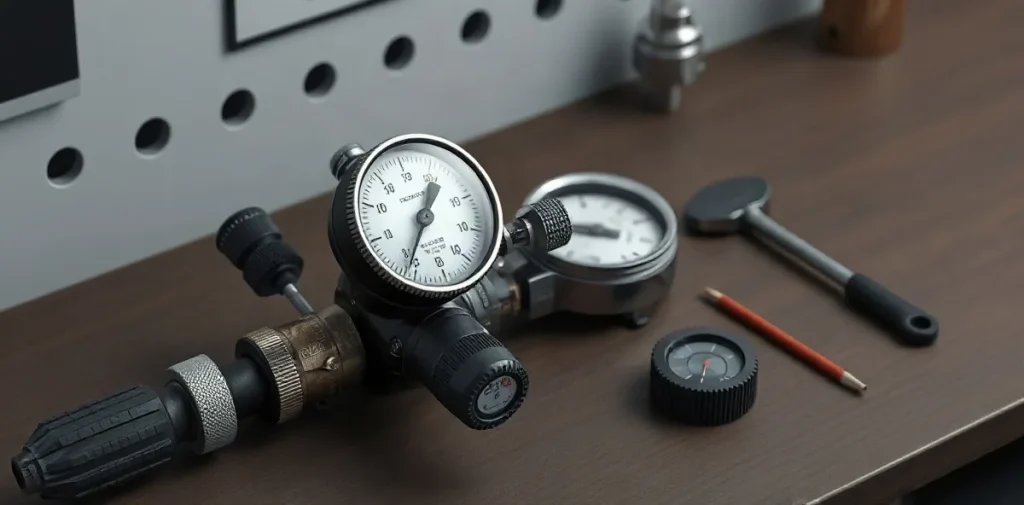
Why is regular maintenance and calibration essential for dive equipment?
Maintaining and calibrating dive equipment routinely is critical to ensure its reliability and safety underwater. Proper upkeep prevents malfunctions that can lead to dangerous situations, while calibration guarantees accurate readings from instruments like dive computers and pressure gauges. For example, a dive computer sensor drift of just 3% can cause decompression errors, increasing the risk of decompression sickness. The Diving Equipment and Marketing Association (DEMA) recommends inspections every 6 months and calibration of critical instruments annually to uphold safety standards.
What are the key steps to perform routine equipment checks?
Routine equipment checks involve systematic inspection of all gear components before and after each dive. This includes checking regulator hoses for cracks, verifying the integrity of O-rings, and testing buoyancy compensator (BCD) inflation and deflation. Specific steps include:
- Visual inspection of regulator mouthpieces and first-stage connections for wear or corrosion
- Measuring cylinder pressure with a calibrated gauge to confirm full fills, typically 200 bar or above for standard tanks
- Confirming BCD inflator buttons respond correctly and no leaks exist when inflated to recommended pressures (usually 5 psi above ambient)
- Verifying dive computer battery status and screen visibility
For example, the Shearwater Teric dive computer includes a battery life indicator, which should show at least 30% before a dive to avoid mid-dive shutdowns.
How should dive equipment be cleaned to maintain performance?
Cleaning dive equipment thoroughly after every use prevents salt, sand, and microbial buildup that degrade materials and mechanics. Recommended cleaning procedures include:
Cleaning regulators and BCDs
- Rinse regulators with fresh water, ensuring dust cap is secured on first stage to prevent water ingress
- Soak BCD in lukewarm fresh water for 15-20 minutes with mild detergent designed for neoprene or nylon
- Flush inflator hoses and exhaust valves to remove salt deposits
Specialized cleaning solutions like the Mares Regulator Cleaner are priced around $15 per 500 ml and are effective in extending regulator lifespan by reducing corrosion.
Cleaning dive computers and masks
- Wipe dive computer screens with a microfiber cloth and freshwater rinse; do not submerge unless rated for full water resistance
- Soak masks in fresh water to loosen salt and debris, gently scrubbing silicone skirts with a soft brush
When and how should dive equipment calibration be performed?
Calibration is essential for devices that measure pressure, depth, or gas composition. It should be performed at least once every 12 months or after any suspected malfunction. Calibration processes differ based on the equipment:
Calibrating pressure gauges and dive computers
- Use a certified calibration rig such as the Vertech Calibrator 2026, capable of simulating tank pressures up to 300 bar with ±0.5% accuracy
- Compare device readings against the rig’s reference values and adjust firmware or sensors accordingly
- Document calibration results to comply with standards like EN 250 for diving equipment
Calibrating oxygen sensors in rebreathers
- Expose sensors to known oxygen partial pressures using calibration gas mixtures (e.g., 21% O2, 100% O2) and adjust sensor output to match these benchmarks
- Replace sensors every 6-12 months depending on manufacturer guidelines, such as those from Poseidon Diving Systems
What tools and products are recommended for effective maintenance and calibration?
Choosing the right tools improves maintenance precision and reduces risk of damage. Recommended items include:
- Regulator servicing kits from Apeks or Scubapro, typically priced between $50 and $150
- Pressure calibration devices like the Vertech Calibrator 2026, costing around $1,200
- Specialized cleaning agents such as Mares Regulator Cleaner ($15 per bottle) and BCD cleaning detergents
- Replacement parts including O-rings, mouthpieces, and sensor modules from manufacturers’ official service centers
Using authentic parts and tools ensures compliance with manufacturer warranties and maintains equipment integrity.
How does proper maintenance impact dive safety and costs over time?
Proper maintenance and calibration significantly enhance dive safety by minimizing equipment failure and inaccurate readings. This proactive approach reduces the likelihood of emergencies such as regulator free-flows or decompression miscalculations. Economically, regular servicing extends gear lifespan, reducing the need for costly replacements. For instance, an annual servicing cost of $100-$200 can prevent a regulator replacement expense exceeding $600. Additionally, maintaining calibration accuracy avoids potentially dangerous dive profiles that can lead to costly medical treatments.
| Service | Frequency | Typical Cost (USD) |
|---|---|---|
| Regulator Servicing | Annually | $120–$180 |
| BCD Cleaning and Inspection | Biannually | $40–$70 |
| Dive Computer Calibration | Annually | $80–$150 |
| Oxygen Sensor Replacement (Rebreather) | 6–12 months | $150–$250 |
- 6 months recommended interval between full gear inspections
- 3% sensor drift can cause decompression risk in dive computers
- $120–$180 typical annual regulator servicing cost
- ±0.5% accuracy required for pressure gauge calibration per EN 250 standard
Frequently asked questions
How often should I replace O-rings in my regulator?
Can I calibrate my dive computer myself?
Is it necessary to service regulators annually if I dive infrequently?
What cleaning agents are safe for BCDs and masks?
Key takeaways
- Routine inspections every 6 months and annual calibrations maintain dive equipment reliability.
- Systematic cleaning after each dive prevents corrosion and material degradation.
- Calibration of pressure gauges and oxygen sensors requires certified equipment and professional service.
- Proper maintenance reduces safety risks and long-term equipment costs.
- Use manufacturer-recommended tools, parts, and cleaning agents to preserve warranties and functionality.
Conclusion
Maintaining and calibrating dive equipment is indispensable for ensuring diver safety and optimal gear performance. By following structured inspection protocols, thorough cleaning routines, and precise calibration schedules, divers can prevent costly failures and hazardous situations. Investing in professional servicing and utilizing the correct tools and products pays dividends in confidence and longevity of dive gear. Committing to these practices transforms diving from a risk-laden activity into a reliably safe and enjoyable pursuit.