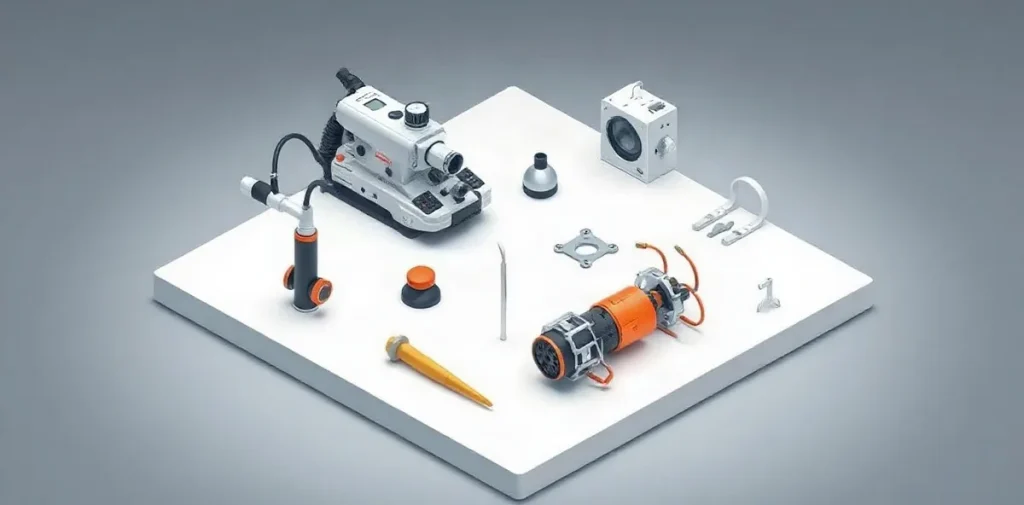
A scientific diving course provides comprehensive training in underwater research techniques, safety protocols, and specialized skills required for conducting controlled scientific investigations beneath the surface. Certification from such a course validates competence in both diving and scientific methods, ensuring divers meet rigorous standards for research diving operations.
Scientific diving differs fundamentally from recreational diving by integrating research objectives with dive planning and execution. This article details the curriculum components, essential skills taught, and certification processes involved in scientific diving courses. Understanding these elements is crucial for anyone aiming to pursue underwater scientific work or contribute to marine and freshwater research projects. For a broader perspective on diving practices and safety, see our detailed overview “Diving: A Comprehensive Exploration of Techniques, Science, and Safety.”
| Institution | Course Duration (days) | Cost (USD) | Notable Features |
|---|---|---|---|
| University of Hawaii | 7 | $1,000 | 40 hours instruction, strong emphasis on research methods |
| Scripps Institution of Oceanography | 10 | $1,200 | Extended equipment training, comprehensive scientific protocols |
| Florida International University | 5 | $800 | Shorter course, focused on essential skills and safety |
- 5 to 10 days Duration of scientific diving training courses
- 1977 Year American Academy of Underwater Sciences (AAUS) was established
- ±5 kg Typical buoyancy control precision required in scientific diving
- $800 to $1,200 Common price range for scientific diving certification courses
- 500 m Distance for underwater navigation swim test in some training programs
What is the standard curriculum structure for a scientific diving course?
Course Duration and Content
The standard curriculum for a scientific diving course typically spans 5 to 10 days, combining classroom instruction with in-water practice. For example, the University of Hawaii’s Scientific Diving Program offers a 7-day intensive course totaling approximately 40 hours of instruction. Core modules cover dive physics, diving physiology, underwater data collection techniques, and emergency response procedures. This structure ensures students gain foundational knowledge essential for safe and effective scientific diving operations.
Practical Skills Training
Hands-on training focuses on dive planning and the use of specialized research tools critical for underwater studies. Trainees learn to operate equipment such as underwater slates and transect tapes, which are fundamental for accurate data recording and habitat mapping. Practical exercises also include emergency drills and navigation skills to prepare divers for real-world scientific missions. This combination of theory and practice is designed to meet accepted standards for scientific diving certification.
Which essential skills does a scientific diver acquire through training?
Scientific divers acquire essential skills including precise buoyancy control within ±5 kilograms to maintain stable positioning during data collection, competency in underwater navigation involving compass use and natural landmarks over swim courses of up to 500 meters, and proficiency in emergency response techniques such as rescue procedures and oxygen administration in line with the NOAA Scientific Diving Manual standards (2017).
Technical Dive Skills
- Buoyancy control: Mastery to within ±5 kg ensures minimal disturbance of the environment and stable positioning for accurate measurements.
- Underwater navigation: Ability to complete a 500-meter swim course using compass headings and natural references, essential for relocating study sites or returning safely.
- Emergency protocols: Training in rescue techniques and oxygen administration follows NOAA Scientific Diving Manual guidelines issued in 2017, critical for diver safety during scientific operations.
Scientific Equipment Handling
- Sediment corers: Familiarity with proper deployment and retrieval methods to collect undisturbed core samples for sediment analysis.
- Quadrats: Competency in deploying quadrat frames for standardized biological sampling, facilitating consistent data collection across sites.
What certification standards govern scientific diving qualifications?
AAUS Certification Requirements
The American Academy of Underwater Sciences (AAUS) sets the primary standards for scientific diving certification in the United States, established in 1977 to ensure diver safety and competence. AAUS certification mandates documented completion of an accredited scientific diving training course, demonstrating practical skills and theoretical knowledge. Candidates must pass competency assessments covering dive planning, underwater data collection, and emergency procedures.
Typical scientific diving courses aligned with AAUS standards cost between $800 and $1,200 depending on the training institution and geographic location. This fee usually covers classroom instruction, pool training, open-water dives, and certification processing. Institutions offering AAUS certification often provide annual refresher training to maintain diver status and safety compliance.
Regulatory Compliance
Scientific diving programs often comply with the Occupational Safety and Health Administration’s (OSHA) exemption for scientific diving, which requires adherence to a written dive safety manual and documented annual refresher courses. This exemption distinguishes scientific diving from commercial diving by emphasizing research objectives and diver qualifications.
- Requirement of a formal dive safety manual outlining operational procedures and emergency protocols
- Annual refresher training to sustain diver competence and safety awareness
- Certification based on demonstrated proficiency rather than commercial diver licensing standards
Compliance with these regulatory frameworks ensures that scientific divers meet recognized safety and operational standards critical for underwater research environments.
When might scientific diving training fall short or face limitations?
Scope of Training
Scientific diving training often does not include advanced technical diving skills such as mixed-gas use or staged decompression, limiting its applicability to complex underwater research missions. For example, standard scientific diving certifications under OSHA’s 29 CFR 1910.426 exclude mixed-gas diving beyond air or nitrox, which restricts divers from performing dives exceeding recreational depth limits around 40 meters.
Additionally, many training programs lack access to specialized underwater equipment like submersible remotely operated vehicles (ROVs) or advanced underwater data loggers such as the Ocean Insight FLAME-S-XR spectrometer, which can cost over $10,000. This limits hands-on experience with certain data collection techniques, particularly in environments with poor visibility or strong currents. Seasonal weather patterns and regional water temperatures, such as cold-water conditions below 10°C in northern latitudes, can reduce the number of in-water training days, thereby affecting skill development and confidence in real-world research scenarios.
Certification Recognition
- Regional or institutional certifications may lack international recognition, restricting diver mobility; for instance, a scientific diving certificate issued by a university in the United States under the American Academy of Underwater Sciences (AAUS) standards might not be recognized by European scientific diving bodies like the European Scientific Diving Panel (ESDP).
- Some programs do not comply with national occupational safety regulations, which can limit the legal scope of work a certified diver can perform outside their original jurisdiction.
How does the cost and duration of scientific diving courses compare across leading institutions?
Course Length vs. Cost
Scientific diving courses differ notably in duration and price, with longer programs generally costing more due to expanded training content. For example, a 5-day course at Florida International University costs about $800, while a 7-day course at the University of Hawaii is priced near $1,000. Extending to 10 days, the Scripps Institution of Oceanography’s course costs approximately $1,200, reflecting the inclusion of more detailed equipment handling and scientific methodology training.
Institutional Offerings
- University of Hawaii: 7-day scientific diving course, approximately $1,000 per participant.
- Scripps Institution of Oceanography: 10-day course, around $1,200 per participant.
- Florida International University: 5-day course, costing about $800 per participant.
The variation in course length and cost corresponds to differences in curriculum depth, with longer courses typically providing more comprehensive instruction on dive equipment and underwater research techniques. These factors influence the total investment required for certification across leading institutions.
What key safety standards and protocols are emphasized in scientific diving training?
Safety Procedures
Scientific diving training mandates the development and strict use of dive safety plans that incorporate surface support and emergency oxygen availability to ensure diver safety. These plans require a surface support team equipped with a minimum of 40% oxygen supply for immediate intervention in case of decompression sickness or other emergencies. Adherence to no-decompression limits tailored specifically for scientific dive profiles is emphasized, with dive durations and depths planned to avoid mandatory decompression stops. The use of dive computers featuring scientific dive modes, such as the Shearwater Petrel 2 by Shearwater Research Inc., is common; this device provides real-time tracking of tissue saturation and decompression status, supporting safer dive profiles in complex research environments.
Medical and Equipment Standards
Annual medical fitness assessments are compulsory to maintain scientific diving certification, ensuring divers meet cardiovascular, pulmonary, and neurological health criteria necessary for safe underwater work. These evaluations follow guidelines aligned with the American Academy of Underwater Sciences (AAUS) standards established in 2023. Equipment protocols include the use of dive computers capable of handling variable gas mixtures and extended bottom times, with models like the Shearwater Petrel 2 priced around $1,300–$1,500 being standard issue. This rigorous combination of medical clearance and advanced technological use forms the backbone of scientific diving safety protocols.
Frequently asked questions
What distinguishes scientific diving certification from recreational diving certification?
How long does it usually take to become certified in scientific diving?
Are there legal exemptions applicable to scientific diving operations?
What are common equipment requirements for scientific diving courses?
Key takeaways
- Scientific diving courses typically last between 5 and 10 days with integrated classroom and practical sessions
- Certification often adheres to AAUS standards established since 1977, ensuring recognized competence
- Essential skills include precise buoyancy control, underwater navigation, and handling of specialized scientific equipment
- Training programs vary in cost, commonly ranging from $800 to $1,200 based on institution and course length
- Safety protocols emphasize dive planning, emergency preparedness, and regular medical assessments