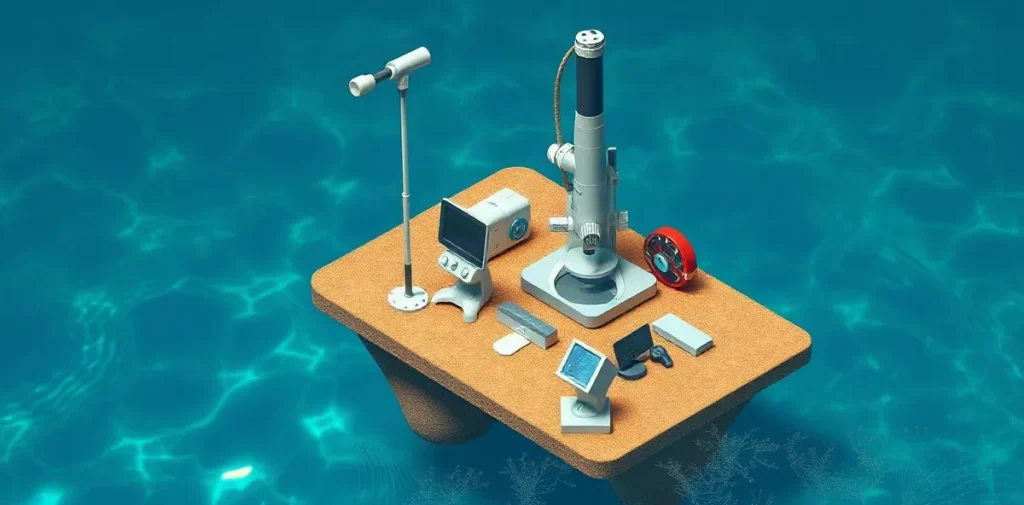
Science diving employs specialized protocols and techniques designed to ensure accurate data collection and diver safety during underwater research. These methods integrate rigorous planning, precise buoyancy control, and tailored equipment use to adapt to diverse scientific objectives and challenging aquatic environments.
Underwater research demands more than recreational diving skills; it requires systematic approaches that minimize environmental impact while maximizing data reliability. Science diving protocols address these needs by establishing clear procedures for dive planning, sampling, navigation, and communication. This article explores key techniques that enable researchers to conduct effective and safe scientific investigations beneath the surface.
For those interested in a broader understanding of underwater activities, our detailed analysis «Diving: A Comprehensive Exploration of Techniques, Science, and Safety» offers extensive insights into various diving disciplines, including the specialized realm of science diving. This discussion will build on that foundation, focusing specifically on the methods and practices that underpin successful scientific diving operations.
| Equipment | Price Range (USD) | Depth Rating (meters) | Key Feature |
|---|---|---|---|
| Shearwater Perdix AI | $1,000–$1,200 | 150 | Advanced decompression algorithm |
| HOBO U26-001 Logger | $300–$400 | 50 | Long-term environmental data logging |
| Nikon COOLPIX W300 | $350–$450 | 30 | Rugged underwater photography |
| Inspiration CCR Rebreather | About $20,000 | 100+ | Extended bottom time, bubble-free |
- 1.4 ATA Maximum oxygen partial pressure during working phases
- 30 meters Typical maximum depth for standard scientific dives without mixed gases
- 100 dives Minimum number of dives required by AAUS for scientific diver certification
- $20,000 Approximate cost of a closed-circuit rebreather system
What equipment is essential for scientific diving data collection?
Dive computers and data logging
Essential equipment for scientific diving data collection includes reliable dive computers and waterproof data loggers to ensure precise environmental monitoring and decompression management. The Shearwater Perdix AI dive computer, priced around $1,100, is widely used for its accurate decompression tracking and customizable dive profiles, critical for managing dive safety and data integrity. For long-term environmental data recording, waterproof data loggers such as the HOBO U26-001 can continuously measure temperature and pressure for up to one year, supporting extended field research without frequent retrieval.
Imaging and notes underwater
Underwater data collection also relies on robust imaging and note-taking tools. The Nikon COOLPIX W300 camera, rugged and rated to 30 meters depth at approximately $400, provides high-quality photographic documentation essential for habitat and species studies. Standardized dive slates like the Rite in the Rain All-Weather DuraSlate, costing about $15, enable efficient and reliable note-taking under wet conditions, with all-weather durability suited for repeated use during dives. These tools together support comprehensive scientific records in challenging underwater environments.
How do scientific divers manage decompression and oxygen exposure risks?
Oxygen exposure limits
Scientific divers strictly control oxygen partial pressure to minimize toxicity risks, adhering to the NOAA Diving Manual’s maximum limit of 1.4 atmospheres absolute (ATA) during active working phases underwater. This threshold helps prevent central nervous system oxygen toxicity while maintaining sufficient oxygen for metabolism. Saturation divers routinely undertake oxygen pre-breathing protocols lasting between 30 and 60 minutes before dives to lower inert nitrogen levels and reduce decompression stress.
Decompression procedures
Decompression management for scientific dives relies on conservative limits and staged stops to avoid bubble formation and decompression sickness. No-decompression limits are often determined using dive tables like the NOAA Recreational Dive Planner, applicable up to 40 meters depth. For dives requiring staged decompression, dive computers calculate stop depths and durations, commonly prescribing stops at 9, 6, and 3 meters. These stops allow controlled off-gassing of inert gases, reducing risk during ascent in complex multi-level dive profiles.
What training and certifications are required for scientific diving?
Regulatory standards
Scientific diving training and safety compliance are governed by OSHA Standard 29 CFR 1910.426, which mandates documented training, medical clearance, and adherence to strict protocols. This standard requires divers to undergo thorough medical evaluations to ensure fitness for diving and to maintain detailed records of training and dive activities for accountability and safety.
Emergency preparedness is integral, with divers typically completing a focused 4-hour emergency oxygen administration course. This training equips divers to provide immediate on-site care for dive-related injuries, a critical skill given the remote nature of many scientific dive operations. Additionally, annual refresher courses on updated protocols and equipment handling are compulsory to maintain certification and ensure current best practices are followed.
Certification programs
- American Academy of Underwater Sciences (AAUS) certification requires a minimum of 100 open water dives to demonstrate practical diving experience.
- AAUS certification also demands demonstrated competence in underwater research methods, ensuring divers can effectively conduct scientific tasks underwater.
- Certification programs emphasize documented skills in dive planning, underwater data collection, and safety procedures aligned with OSHA standards.
How do scientific diving methods differ from recreational diving techniques?
Equipment and dive profiles
Scientific diving methods differ from recreational diving primarily in their specialized equipment and mission-specific dive profiles designed to maximize bottom time and precision. Scientific divers often employ closed-circuit rebreathers such as the Inspiration CCR, which retails around $20,000, to significantly extend dive duration while minimizing gas consumption. They also prioritize precise buoyancy control using dry suits equipped with integrated buoyancy compensators to avoid disturbing sediment and fragile underwater environments. Unlike typical recreational dives, scientific dives follow meticulously planned profiles incorporating detailed task loading assessments and underwater navigation to ensure efficient data collection and safety.
Communication and task management
Communication in scientific diving is more frequent and structured compared to recreational diving, often relying on full-face masks fitted with communication systems like the Ocean Reef Aria, priced near $1,200. This facilitates continuous verbal interaction among team members, enhancing coordination during complex tasks. Scientific dive teams also develop mission-specific dive plans that allocate time and attention according to precise research objectives, contrasting with recreational dive profiles that focus on leisure and general safety limits. This approach ensures that underwater research activities are conducted systematically and safely.
When are scientific diving protocols insufficient or risky, and what limitations should be considered?
Depth and environment limits
Scientific diving protocols become insufficient or risky when dives exceed 40 meters depth, as this surpasses standard recreational safety margins and requires mixed-gas breathing methods such as trimix or heliox to mitigate nitrogen narcosis and oxygen toxicity risks. Additionally, environmental conditions including strong currents above 2 knots or visibility under 5 meters can compromise both diver safety and data quality, making routine scientific procedures unreliable or hazardous.
Operational and physiological risks
Extended saturation dives present significant operational challenges, necessitating hyperbaric facilities and complex logistical support that often cost upwards of $10,000 per day, limiting accessibility for many research projects. Physiologically, risks like nitrogen narcosis and central nervous system oxygen toxicity increase with depth and exposure time, requiring rigorous monitoring with devices such as the Oceanic Vyper 2 dive computer and adherence to conservative decompression schedules outlined in NOAA Diving Manual (2014). These factors impose strict limitations on dive duration and depth, and failure to respect them can lead to severe injury or compromised research outcomes.
- Depth limit for standard protocols: 40 meters
- Environmental thresholds: currents > 2 knots; visibility < 5 meters
- Operational cost for saturation diving: > $10,000 per day
- Recommended dive computer model: Oceanic Vyper 2
- Key reference: NOAA Diving Manual, 2014 edition
Frequently asked questions
What is the typical no-decompression limit for scientific dives at 30 meters?
Why are closed-circuit rebreathers preferred for scientific diving?
What are the key safety standards governing scientific diving in the United States?
How often must scientific divers undergo refresher training?
Key takeaways
- Shearwater Perdix AI dive computers enhance decompression safety in scientific diving.
- NOAA oxygen exposure limits are critical to prevent toxicity during research dives.
- AAUS certification ensures compliance with scientific diving standards.
- Closed-circuit rebreathers extend dive duration while minimizing environmental impact.
- Scientific diving faces limits at depths beyond 40 meters due to physiological risks.