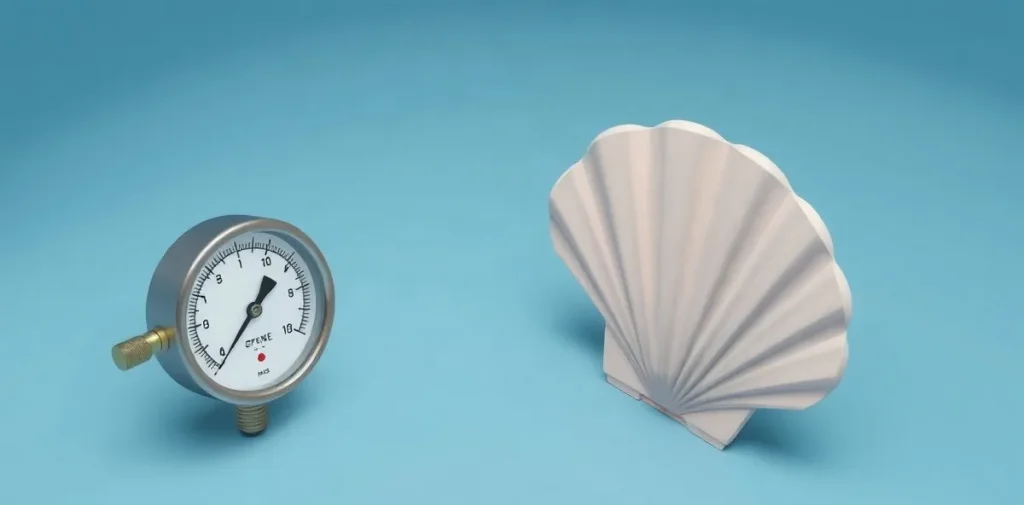
Research into illness and death during commercial scallop diving treats the season as an occupational-health problem: what hazards accompany the work, how exposure relates to harm, and where prevention can interrupt that pathway. It matters because divers face pressure-related risks alongside the demands of a particular job and working environment.
Why examine a diving season as a whole?
A season brings repeated dives, a defined type of work and a shared operational setting into view. Researchers can ask not only what can injure a diver underwater, but how work patterns, equipment, environmental conditions and emergency arrangements combine over time.
That wider lens differs from investigating a single incident. A case-by-case review may clarify the mechanism of one injury; occupational surveillance can also look for recurring circumstances and groups of hazards that deserve closer attention. The aim is to make risk visible before it is treated as an unavoidable feature of the job.
What medical risks can commercial divers face?
Scallop diving involves working underwater to collect shellfish, so the relevant questions span both diving medicine and occupational medicine. Pressure changes can contribute to decompression illness and barotrauma, while cold, exertion, limited visibility, entanglement or equipment problems may add other hazards. Which risks dominate depends on the actual dive plan and conditions.
Decompression illness arises when pressure changes lead to problematic gas bubbles in the body; barotrauma is tissue injury caused by pressure differences. These mechanisms are distinct, and symptoms can overlap with other medical problems. A diving-medicine physician assesses the diver and the circumstances rather than relying on a label alone.
Work-related illness and mortality also require attention to events beyond the underwater phase. The ability to summon help, recover an incapacitated diver and provide appropriate medical care can shape the consequences of an emergency. Occupational research therefore considers the whole chain from exposure to response.
How do studies investigate the problem?
Studies of seasonal occupational diving commonly assemble incident and medical records, describe the work and exposure, and classify outcomes such as injury, illness or death. They may compare circumstances across incidents to identify recurring patterns. Those methods can reveal questions for prevention, but interpretation depends on how complete and consistent the records are.
Useful analysis distinguishes the number of events from the amount and type of diving exposure. It also separates a plausible contributing factor from a proven cause: an incident can have several interacting explanations, and a small or incomplete record can make patterns difficult to judge. Clinical detail and operational context both matter.
- Exposure: the work performed, dive profile and conditions surrounding the operation.
- Outcome: the type and severity of injury or illness, including fatal events.
- Mechanism: the physiological or operational pathway that may connect exposure to harm.
- Response: how an emergency is recognised, managed and followed up.
These concepts help clinicians and safety teams ask whether a hazard is preventable, whether existing procedures address it, and what further information would make prevention more reliable.
Why does the work context matter?
Commercial diving is not a laboratory exposure. Divers work within practical constraints, and the demands of the task can affect time underwater, workload, equipment choices and the opportunity to respond to changing conditions. A medical assessment that ignores those details may miss an important part of the risk.
Seasonal work also places prevention in a planning context. Training, dive planning, equipment maintenance, communications and emergency preparation are connected controls, not substitutes for one another. The relevant question is how each control fits the actual operation and whether it remains workable under pressure.
For clinicians, occupational context can clarify what happened and guide assessment of fitness to dive after illness. For scientific divers, the same principle applies: research objectives do not remove the need to account for task demands, exposure and rescue arrangements.
What can divers and clinicians take from this field?
Seasonal morbidity-and-mortality research belongs to a broader effort to understand diving as both a physiological exposure and a form of work. It complements studies of decompression, barotrauma, life-support equipment and remote operations by asking how hazards appear in a particular occupational setting.
Its practical value lies in turning incidents into questions that can improve risk assessment: what happened, what conditions were present, and which safeguards could change the chain of events? If you have a health concern related to diving, consult a diving-medicine physician; an individual assessment cannot be replaced by general research.
Frequently asked questions
What does morbidity mean in diving research?
Why study a specific type of commercial diving?
Can a seasonal review establish the cause of an incident?
An original research-library explainer written by the Rubicon editors. It is not a summary of a specific publication.
Related reading on Rubicon
- The Diving Reflex: What Happens Underwater
- Scuba Diving Fins: Split vs. Paddle Designs
- Scuba Diving Regulators: Balanced vs. Unbalanced
- Scuba Diving Ear Equalization: Why Valsalva Fails
- Tasmanian Scallop Diving: Research Summary
- Thesis Research in Diving and Hyperbaric Medicine
- More on Dive Medicine
- Browse the Research Library