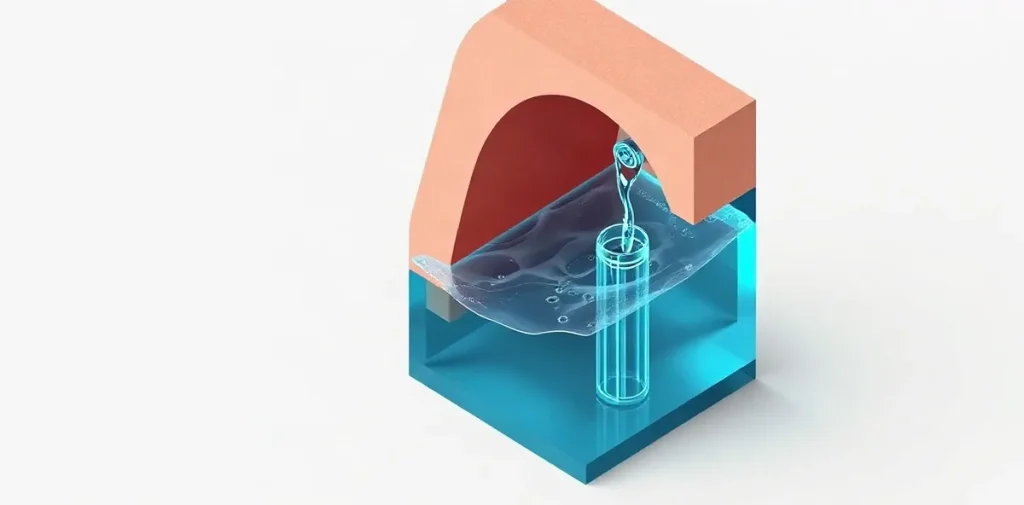
Valsalva can fail when pinching the nose and gently exhaling does not open the Eustachian tubes, which connect the middle ear to the back of the throat. If pressure will not equalize, forcing the manoeuvre can worsen ear pain or cause injury; stop descending rather than pushing through it.
Scuba diving ear equalization is about balancing pressure early and gently as you descend. Understanding why Valsalva may not work—and what to do when it does not—can help divers recognise when to pause, ascend slightly or end the dive.
| Maneuver | Action described | Key limitation |
|---|---|---|
| Valsalva | Exhale against closed nostrils | Can raise middle-ear pressure without opening the tubes |
| Frenzel | Use throat muscles | Described as gentler and easier to control |
| Either maneuver | Attempt to equalize ear pressure | May fail if the Eustachian tubes are closed by a pressure differential |
- 2 Named equalization maneuvers discussed: Valsalva and Frenzel
- 0 Safe number of forceful Valsalva attempts specified in the supplied material
- 0 Symptom-specific wait time or medical threshold provided in the supplied material
How does pressure change affect the middle ear during scuba diving?
During scuba descent, rising water pressure acts on the outer ear while the middle ear remains an air-filled space, creating a pressure mismatch that can pull the eardrum inward. Air must pass through the Eustachian tubes to bring middle-ear pressure into balance with the surrounding pressure.
The Divers Alert Network warns that waiting too long to equalize can let the pressure difference press soft tissues together and close the tube openings. Once those openings are shut, forcing air against the blockage may not clear the ears; the mismatch can become harder to overcome as the diver continues downward.
Equalize before discomfort
Begin equalizing early in the descent and repeat it frequently, rather than waiting for ear pain or strong pressure. Discomfort is a practical warning that the pressure difference has already built up, so pause the descent if equalization is not working; do not respond by blowing harder with a Valsalva maneuver.
Why can the Valsalva maneuver fail to open the Eustachian tubes?
Valsalva can fail to open the Eustachian tubes because it raises pressure by blowing against a blockage but does not activate the muscles that open the tubes. The manoeuvre means closing the mouth, pinching the nostrils and exhaling against the closed airway; the extra pressure does not guarantee that the tube entrances will separate.
During descent, a pressure difference can press the soft tissues at the tube openings together, leaving the Eustachian tubes effectively locked. If that has happened, forcing air harder may push against the closed tissues rather than restore an open passage. The diver’s effort alone cannot show that the tubes have opened.
Timing matters more than force
For scuba diving ear equalization, the key is to equalize early and often enough to keep the tubes open as outside pressure changes—not to wait until they are difficult to open and then blow harder. A gentle attempt made before the pressure difference closes the soft tissues is more useful than forceful Valsalva against a blockage. If the manoeuvre does not clear the ears, increasing force can raise middle-ear pressure uncontrollably and risk injury; stop descending rather than pushing through resistance.
What ear injuries can forceful Valsalva cause?
A forceful Valsalva can cause an uncontrolled rise in middle-ear pressure, injure the ear’s delicate structures and, if performed too aggressively, cause an ear rupture. The review Inner Ear Disorders in SCUBA Divers describes one potential pressure-injury mechanism: the stapes footplate moves violently outward while other ear structures move inward.
Why more force is not safer
With normally functioning Eustachian tubes, a vigorous Valsalva may still drive middle-ear pressure up uncontrollably; it is not a guarantee of gentle or precise equalization. If the tubes are blocked by a pressure differential, pushing harder may fail to open them while increasing strain.
Valsalva is strenuous and can strain the respiratory muscles and the heart, so greater effort is not a safe substitute for stopping when equalization fails. Stop the attempt rather than forcing air against resistance: the potential consequences include pressure injury to the inner ear and rupture.
What are the trade-offs between Valsalva and Frenzel?
Valsalva is a forceful exhalation against closed nostrils, while Frenzel uses the throat muscles to move air toward the Eustachian tubes; the Scuba Diving article presents Frenzel as gentler and easier to control. That makes Frenzel the more controlled option described there, but it does not mean either method is safe to force when a tube is blocked.
- Valsalva: The Scuba Diving article describes it as exhaling against closed nostrils. InDEPTH calls it strenuous and undesirable for freediving, where increasing depth makes the method harder to perform; that freediving discussion is not a complete guide to scuba equalization.
- Frenzel: The Scuba Diving article describes this method as using throat muscles and favors it for gentler, more controllable equalization. Its comparison is a practical distinction, not a reason to keep pushing if equalization does not happen.
For both methods, a blocked Eustachian tube is the limit: DAN warns that a pressure difference can press the soft tissues together and close the tube openings. Forcing air against closed openings can worsen the problem, so do not treat a stronger Valsalva or repeated Frenzel effort as a fix; stop the descent rather than force equalization.
When should a diver stop descending and seek medical advice?
Stop descending as soon as your ears will not equalize easily, and do not respond by blowing harder with the Valsalva maneuver. A pressure differential can leave the Eustachian tubes blocked; forcing air against that blockage may increase middle-ear pressure rather than clear it.
Failed equalization deserves attention because forceful Valsalva can injure the ear: the supplied medical review describes the possibility of violent displacement of ear structures, and the source material also identifies ear rupture as a risk. If equalization fails, stop the descent and ascend gradually; do not keep trying stronger Valsalva blows while the blockage persists.
After stopping the descent
If pressure-related symptoms continue after you stop, or you suspect an ear injury, seek medical advice instead of attempting further forceful equalization. The available source material gives no symptom-specific waiting period or medical threshold, so it cannot support a precise number of minutes to wait or a claim that a particular symptom is harmless. Treat persistent symptoms or suspected injury as reasons to get assessed, not as a cue to resume descending.
What mistakes make scuba diving ear equalization harder?
Scuba divers make ear equalization harder by waiting for discomfort, forcing repeated Valsalva blows, and relying on Valsalva alone. Equalize early during descent: delaying can let the pressure difference press the Eustachian tube’s soft tissues together, making the passage harder to open.
Three mistakes that can turn a blockage into a problem
- Waiting for pain: By the time discomfort appears, pressure may already be pushing the Eustachian tube tissues together. Don’t wait for pain to prompt your first attempt.
- Blowing harder: A forceful Valsalva may raise middle-ear pressure without opening an obstructed tube. That can increase the risk of injury rather than clear the blockage.
- Using only Valsalva: Scuba Diving describes the Frenzel maneuver, which uses throat muscles, as gentler and easier to control. It is an alternative to blowing by exhaling, not a reason to force equalization when it is not working.
There is no safe number of attempts specified in the available sources, so don’t treat a fixed repetition count as a clearance rule. If equalization is not working, stop rather than blowing harder; continuing against a blockage can add pressure without opening the tube.
FAQ
Why does Valsalva sometimes make my ears feel worse while scuba diving?
Is Frenzel better than Valsalva for scuba diving ear equalization?
Should I keep descending if I cannot equalize?
Can forceful Valsalva cause a serious ear injury?
What this piece draws on
- Like Freedivers Do? – InDEPTH — “Should Tech Divers Be Thinking More About Equalization”
- dan.org — “6 Methods to Equalize Your Ears – Divers Alert Network”
- pmc.ncbi.nlm.nih.gov — “Inner Ear Disorders in SCUBA Divers: A Review”
- Miracle-Ear — “How to equalize ear pressure: Frenzel maneuver”
- Scuba Diving — “How to Equalize Ear Pressure When Scuba Diving”
