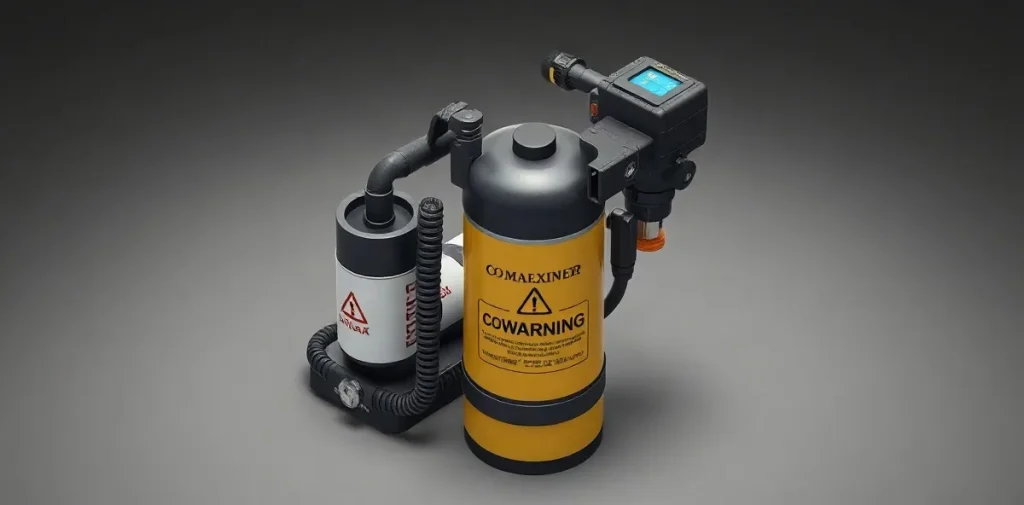
Effective safety protocols for managing carbon monoxide (CO) risks in scuba diving include regular inspection and maintenance of air compressors, continuous monitoring of breathing gas quality, and adherence to strict pre-dive checks. These measures are essential to prevent CO contamination, which can cause serious, potentially fatal health hazards underwater.
CO exposure during scuba diving is a critical concern because even small amounts of this colorless, odorless gas in breathing mixtures can impair oxygen delivery, leading to symptoms such as headache, dizziness, and loss of consciousness. Given that divers rely entirely on their breathing apparatus for life support, ensuring the purity of compressed air is paramount to safe diving operations.
This article explores the key safety protocols and best practices divers, dive operators, and technicians must follow to mitigate CO risks. From the technical aspects of air compressor maintenance to the practical steps of gas analysis and emergency response planning, understanding and implementing these protocols is vital for anyone involved in scuba diving activities to safeguard health and prevent accidents related to CO exposure underwater.
| Method | Detection Limit (ppm) | Typical Cost (USD) | Notes |
|---|---|---|---|
| Dräger Pac 7000 | 1 | $1,000-$2,500 | Portable, alarm feature, requires annual calibration |
| Aqua Lung Air Test Kit | 5-10 | $300-$600 | Field kit for batch testing, less sensitive than electronic analyzers |
| Fixed Compressor CO Scrubbers | N/A | $100-$200 per cartridge | Removes CO but does not detect contamination |
| Visual/Olfactory Checks | N/A | Free | Ineffective; CO is odorless and invisible |
- 5 ppm Maximum carbon monoxide limit in breathing air per EN 12021:2014
- 300-500 hours Recommended interval for replacing CO scrubber cartridges in compressors
- 1 ppm Detection sensitivity of professional portable CO analyzers like Dräger Pac 7000
- $100-$200 Cost range of activated carbon monoxide scrubber cartridges
- $1,000-$2,500 Price range for portable carbon monoxide analyzers suitable for dive shops
What are the primary sources of carbon monoxide contamination in scuba tanks?
Combustion exhaust and compressor issues
Primary carbon monoxide contamination in scuba tanks often originates from combustion engine exhaust entering air compressors, especially those powered by petrol engines commonly used in some dive shops. Petrol-powered compressors situated near vehicle or generator exhaust can draw in air with elevated CO levels, sometimes exceeding 50 ppm in urban environments. Additionally, compressors lacking proper maintenance and filtration—such as those without activated carbon monoxide scrubbers—are a significant contamination source. For example, the Bauer Junior II compressor model, popular among small dive operators, requires strict servicing intervals to maintain filter integrity and prevent CO breakthrough.
Air source and cylinder contamination
Another key source is the use of contaminated air cylinders refilled from uncertified suppliers who do not comply with the EN 12021:2014 standard for breathing air quality. Cylinders filled without verified filtration can contain CO concentrations above the safe threshold of 5 ppm as stipulated by this European norm. Ambient air quality near the compressor intake also plays a role, as dive shops located in industrial zones may face CO ambient levels that surpass recommended limits. Ensuring compressor intakes are positioned in well-ventilated, low-traffic areas is critical to minimizing contamination risks.
How can divers detect carbon monoxide contamination before a dive?
Portable CO detection devices
Portable carbon monoxide analyzers such as the Dräger Pac 7000 enable divers to detect CO contamination before a dive by measuring levels as low as 1 ppm, with alarms typically set to trigger at 10 ppm. These devices provide immediate, on-site verification of breathing air safety, allowing divers to avoid cylinders filled with hazardous CO concentrations.
Certification and air testing protocols
Ensuring air quality involves both documented certification and direct testing. Divers should verify cylinder fill logs confirm compliance with the Compressed Gas Association (CGA) Grade E standard, which sets maximum CO levels to maintain safe breathing air. Additionally, regular testing using kits like the Aqua Lung Air Test Kit—priced between $300 and $600—offers a practical method for checking CO presence in compressed air before use. Visual indicators such as unusual odors or discoloration near compressor outlets also serve as warning signs of potential contamination.
- Dräger Pac 7000: detects CO down to 1 ppm; alarm typically at 10 ppm
- Aqua Lung Air Test Kit: costs approximately $300–600 for air quality testing
- CGA Grade E standard: defines allowable CO levels in breathing air
- Visual cues: unusual smell or discoloration at compressor outlet as contamination indicators
What maintenance practices reduce carbon monoxide risks in dive compressors?
Scrubber and filter upkeep
Regular replacement or regeneration of activated carbon monoxide scrubber cartridges is essential to minimize CO contamination in dive compressors. Manufacturers such as Bauer Kompressoren recommend changing these cartridges every 300 to 500 operating hours to maintain effective CO adsorption. Additionally, performing compressor oil changes quarterly and inspecting for leaks help prevent exhaust gases from entering the breathing air system. These maintenance routines are critical to ensure the compressor air remains within safe CO limits.
Intake and operational standards
Proper positioning of compressor intakes reduces the risk of CO exposure by avoiding intake of combustion engine exhaust. Industry guidelines specify placing intakes at least 3 meters away from any exhaust source. Compliance with ISO 8573-1:2010 standards is also vital; this international standard limits carbon monoxide concentration in compressed breathing air to a maximum of 10 ppm, ensuring diver safety. Adhering to these operational and air purity criteria is fundamental in managing carbon monoxide risks during scuba diving.
When might carbon monoxide detection and prevention protocols fail or be insufficient?
Limitations of detection equipment
Carbon monoxide detection protocols may fail if portable CO analyzers are not calibrated regularly, as their accuracy degrades over time. Manufacturer guidelines for devices like the Dräger X-am 8000 specify calibration every 12 months to maintain reliable readings. Using analyzers beyond this interval risks missing CO concentrations above the safety threshold of 10 ppm, which is critical for breathable air. Additionally, relying solely on human senses is ineffective because CO is both odorless and colorless, making visual or olfactory detection impossible and dangerously misleading.
Environmental and operational challenges
CO detection and prevention can also be insufficient when compressors operate in enclosed or poorly ventilated spaces, such as small compressor rooms or boat engine compartments, where CO can accumulate rapidly beyond detection limits. The lack of adequate airflow can allow CO levels to exceed 50 ppm within minutes, posing an immediate hazard before alarms activate. Furthermore, uncertified or improperly maintained refill stations often supply contaminated air without any CO testing. This risk is heightened when air suppliers bypass standards like the European Standard EN 12021, which mandates CO levels below 5 ppm for breathing air, increasing the likelihood of divers inhaling unsafe gas mixtures.
How much does it cost to implement effective carbon monoxide safety measures for recreational dive operations?
Equipment costs
Implementing effective carbon monoxide (CO) safety measures in recreational dive operations typically requires an initial investment of $1,000 to $2,500 for a portable CO analyzer, depending on features and brand. Activated carbon monoxide scrubber cartridges, essential for removing CO from breathing gas, cost approximately $100 to $200 each, with busy dive shops replacing between two and four cartridges annually to maintain safety standards.
Maintenance and training expenses
Regular compressor servicing is crucial for controlling CO levels, with professional maintenance averaging around $300 per session and recommended twice yearly for reliable operation. Additionally, specialized training courses on compressor safety and gas analysis certification cost about $500 per diver or technician, ensuring personnel are qualified to detect and manage CO risks effectively.
- Portable CO analyzer: $1,000–$2,500 initial cost
- Activated carbon monoxide scrubber cartridge: $100–$200 each, replaced 2–4 times per year
- Professional compressor servicing: approximately $300 per session, twice annually
- Training courses for gas analysis certification: around $500 per individual
Frequently asked questions
What is the safe carbon monoxide concentration limit in scuba tank air?
Can a diver smell carbon monoxide contamination in their tank air?
How often should CO scrubber cartridges be replaced in compressors?
Is it enough to rely on visual inspection of compressors to prevent CO contamination?
What symptoms might divers experience if exposed to CO-contaminated air underwater?
Key takeaways
- CO contamination mainly comes from engine exhaust entering compressors
- Portable CO analyzers with 1 ppm sensitivity are essential for pre-dive air checks
- Regular maintenance of compressors and scrubbers according to ISO standards reduces risk
- Relying on smell or sight is ineffective since CO is undetectable without instruments
- Implementing CO safety measures involves equipment and training costs but prevents life-threatening poisoning