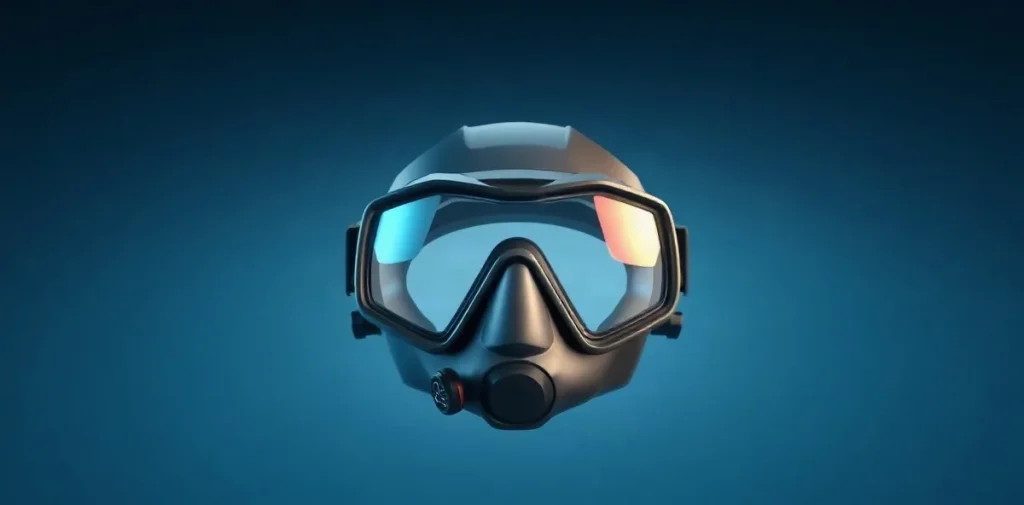
Which dive masks provide the widest field of vision?
Dive masks designed for an expansive field of vision typically use single-lens or panoramic lens configurations and low-volume skirt designs to maximize peripheral sight. Models like the Oceanic Shadow and the Cressi Big Eyes Evolution offer horizontal vision angles exceeding 120 degrees, enhancing underwater spatial awareness and safety. These masks also balance comfort by using silicone skirts and adjustable straps, with prices ranging from $80 to $220.
What design features maximize peripheral vision in dive masks?
The primary features that maximize peripheral vision include a single large lens, low internal volume, and a skirt shape that curves around the face closely without obstructing sight. Low-volume masks reduce the distance between the eyes and lens, increasing the angle of view. For example, the Mares X-Vision offers a 130-degree field of view due to its low internal volume and skirt design.
Key design elements enhancing vision:
- Single lens vs. dual lens: Single lens offers uninterrupted vision.
- Low internal volume: Closer lens to eyes improves peripheral sight.
- Skirt shape and material: Flexible silicone molds to face contours.
- Wide skirt seal: Wraps around temples to avoid blind spots.
How do comfort and fit impact the effectiveness of wide-vision masks?
Comfort is crucial for prolonged dives where mask seal integrity and ease of clearing water impact safety and experience. Masks like the Atomic Venom, with its hypoallergenic silicone skirt and adjustable strap system, offer superior comfort, reducing pressure points that can cause fatigue. Proper fit ensures the mask stays sealed, maintaining the wide field of vision without distortion. The price for such ergonomic models typically starts at $120 and can reach $250 for premium offerings.
Comfort criteria to consider:
- Silicone quality: High-grade silicone reduces skin irritation.
- Adjustable straps: Allow precise fitting to various head sizes.
- Skirt flexibility: Adapts to different face shapes for airtight seal.
Which dive mask models are the best value for wide field of vision?
Value is measured by price, durability, field of vision, and comfort. The Cressi Big Eyes Evolution is a standout at approximately $90, offering a 120-degree horizontal field of vision and a comfortable silicone skirt. The Oceanic Shadow, priced around $180, provides enhanced peripheral visibility and a robust frame suited for frequent diving.
| Model | Field of Vision (degrees) | Price (USD) | Internal Volume (ml) | Comfort Features |
|---|---|---|---|---|
| Oceanic Shadow | 125 | 180 | 110 | Silicone skirt, adjustable strap |
| Cressi Big Eyes Evolution | 120 | 90 | 120 | Triple-seal skirt, tempered glass |
| Mares X-Vision | 130 | 150 | 95 | Low volume, soft silicone skirt |
| Atomic Venom | 115 | 220 | 100 | Hypoallergenic silicone, ergonomic fit |
How does lens material and clarity affect wide-field dive masks?
Lens material impacts visual clarity and durability. Tempered glass is standard in quality masks, offering scratch resistance and safety in case of impact. Some masks like the Cressi Big Eyes Evolution feature anti-fog coatings to maintain clear vision despite temperature changes underwater. Lens clarity affects the perception of peripheral vision, with higher-quality lenses reducing distortion at the edges.
Lens characteristics influencing vision:
- Tempered glass: Safety and scratch resistance.
- Anti-fog coatings: Maintain clarity during extended dives.
- Lens curvature: Flatter lenses reduce distortion but may limit field of vision.
What are the trade-offs between mask volume and field of vision?
Low-volume masks place lenses closer to the eyes, increasing peripheral vision angles up to 130 degrees but requiring more frequent equalization to clear water. Higher volume masks reduce the need for clearing but limit the field of vision due to the lens-to-eye distance. For example, the Mares X-Vision balances a low internal volume of 95 ml with a wide 130-degree view, whereas a traditional dual-lens mask may have volumes exceeding 150 ml but only 90 degrees of horizontal vision.
- 130° maximum horizontal field of vision in top models
- $90–$220 price range for wide-vision dive masks
- 95 ml lowest internal volume noted in Mares X-Vision
- 120° typical field of vision in leading masks like Cressi Big Eyes Evolution
Frequently asked questions
Can wide field of vision masks improve underwater safety?
Are single-lens masks better than dual-lens for vision?
How important is mask fit compared to lens design?
Do anti-fog coatings last long on dive masks?
Key takeaways
- Wide field of vision masks offer 115–130 degrees of horizontal sight, enhancing underwater experience.
- Low internal volume improves peripheral view but may require more frequent clearing.
- Single-lens designs maximize vision compared to dual-lens alternatives.
- Comfort features such as silicone skirts and adjustable straps are essential for maintaining seal and reducing fatigue.
- Prices for quality wide-vision masks range from $90 to $220, balancing features and durability.
Choosing a dive mask for wide field of vision depends on balancing visual range, comfort, and budget. Models like the Mares X-Vision and Oceanic Shadow represent the best current options for divers seeking expansive peripheral vision without sacrificing fit or safety. Understanding mask volume, lens quality, and ergonomic features will help divers select masks that improve underwater awareness and overall diving pleasure.