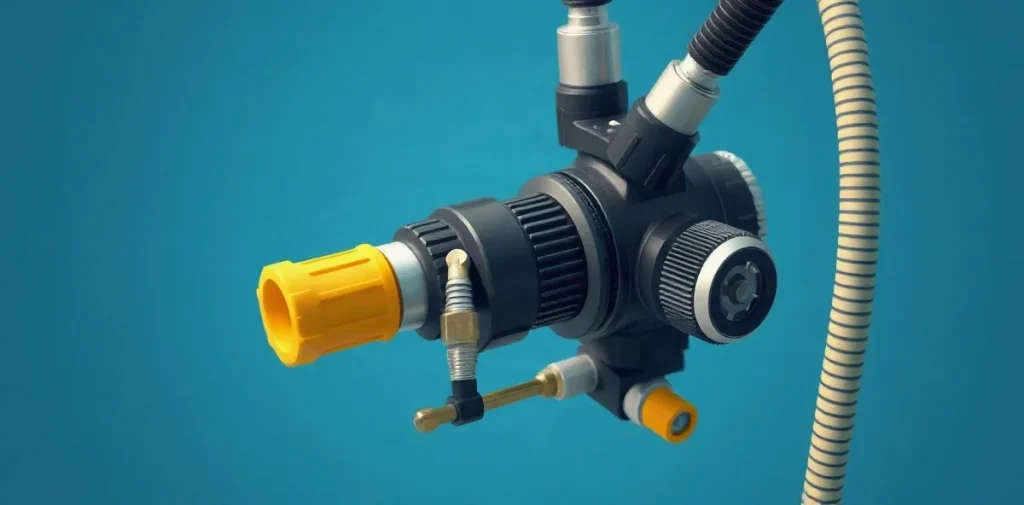
Dive hoses ensure reliable air delivery and diver safety by providing a flexible, secure connection between the air supply and the diver’s regulator, maintaining consistent airflow under varying underwater conditions. Their construction and design prevent leaks, resist pressure changes, and withstand physical stress, which are critical for uninterrupted breathing and safe diving operations.
Understanding how dive hoses function highlights their importance beyond mere tubing. These hoses must balance durability, flexibility, and compatibility with diving equipment to perform flawlessly in demanding environments. Reliable air delivery is not only a matter of comfort but a fundamental safety requirement, as even minor failures can have severe consequences underwater.
This article explores the materials, engineering, and maintenance practices that make dive hoses indispensable to diver safety. By delving into their role in decompression safety, emergency scenarios, and everyday diving, readers will gain a comprehensive view of why high-quality dive hoses are essential gear for every diver.
| Hose Type | Material | Typical Price (USD) | Durability & Use Case |
|---|---|---|---|
| Rubber Low-Pressure | Synthetic rubber with nylon braid | 35-50 | Flexible, standard recreational use |
| Braided Nylon Low-Pressure | Nylon braid over rubber core | 45-60 | Higher abrasion resistance, longer lifespan |
| Stainless Steel High-Pressure | Stainless steel mesh over rubber | 55-80 | Pressure gauge hose, robust and kink-resistant |
| Polyurethane High-Pressure | Polyurethane core with nylon braid | 50-70 | Lightweight, resistant to kinks and chemicals |
- 30 MPa Minimum burst pressure required by EN 250:2014 for dive hoses
- 5 years Recommended maximum service life before hose replacement
- 60-90 cm Typical length range of low-pressure dive hoses
- 300 bar Maximum working pressure for scuba first-stage regulator outlets
What materials and designs are used in dive hoses to ensure durability and flexibility?
Materials
Dive hoses achieve durability and flexibility primarily through the use of braided nylon or stainless steel outer coverings, which provide both abrasion resistance and protection against pressure damage. These materials prevent external wear and maintain hose integrity under the demanding conditions of underwater use. For example, the Scubapro braided high-pressure hose uses stainless steel braiding to enhance durability, with a retail price around $60, reflecting its robust construction. Nylon braiding, commonly found on low-pressure hoses such as the Apeks 85 cm model priced near $45, offers a lighter, more flexible option without sacrificing crucial protection.
Design specifications
Standard low-pressure dive hoses are typically designed in lengths ranging from 60 to 90 cm to balance flexibility with minimal drag during a dive. Safety standards such as the EN 250:2014 specify that hose burst pressure must exceed 30 MPa (megapascals), ensuring reliability under high-pressure conditions. These design criteria guarantee that hoses can withstand the stresses of diving while maintaining ease of movement for the diver.
- Outer coverings: braided nylon or stainless steel
- Typical low-pressure hose lengths: 60 to 90 cm
- EN 250:2014 minimum burst pressure: >30 MPa
- Example product prices: Apeks 85 cm low-pressure hose ~$45, Scubapro braided high-pressure hose ~$60
How do dive hoses contribute to diver safety and prevent air delivery failures?
Safety role
Dive hoses ensure diver safety by reliably delivering breathing gas from the first-stage regulator to the second-stage demand valve at pressures up to 300 bar, preventing interruptions in air supply. Dual hose systems like the Aqualung Titan provide added security by offering a backup air source, reducing the risk of total air loss during a failure. These hoses are designed to withstand high-pressure environments while maintaining flexibility and durability under various underwater conditions.
Failure causes
Most hose failures result from external abrasion or internal degradation such as cracking, which can cause leaks or sudden air loss. Regular pre-dive inspections focus on identifying visible cracks, kinks, or discoloration, which are critical indicators of hose integrity. Detecting these signs early can significantly reduce the likelihood of failure during a dive.
- Aqualung Titan dual hose model, priced around $450–$600, exemplifies robust backup air delivery design.
- Pressure tolerance threshold for most standard dive hoses: up to 300 bar.
- Pre-dive inspection criteria include absence of surface cracks, no kinks restricting flow, and consistent hose coloration without signs of UV or chemical damage.
When and how should dive hoses be maintained or replaced to ensure reliability?
Maintenance schedule
Dive hoses should be replaced every five years or sooner if any visible damage appears to maintain reliable air delivery and diver safety. Manufacturers like Apeks and Scubapro specify this five-year replacement interval as a standard guideline. Additionally, annual professional inspections are essential, often involving pressure testing to detect internal weaknesses that may not be externally visible. These inspections can reveal microcracks or delaminations that compromise hose integrity before catastrophic failure occurs.
Storage and cleaning
Proper storage and cleaning significantly extend the service life of dive hoses by preventing premature degradation. Hoses should be stored in cool, dry environments away from direct sunlight to avoid damage from ultraviolet radiation and ozone exposure, which accelerate material aging. After every dive, especially in saltwater, thorough rinsing with fresh water is crucial to prevent salt crystallization inside hose fittings, which can cause sealing failures and corrosion. Avoiding harsh chemicals during cleaning also preserves hose flexibility and strength.
- Replacement interval: 5 years or immediately if visible damage occurs
- Inspection frequency: annual pressure testing by certified technicians
- Storage conditions: cool, dry, UV-free environment
- Cleaning protocol: fresh water rinse after each dive, particularly in saltwater
What are common mistakes that lead to dive hose failures underwater?
Dive hose failures underwater commonly result from exceeding manufacturer pressure limits, physical damage from kinks or improper securing, and neglecting timely replacement despite visible wear. These mistakes compromise hose integrity, increasing the risk of leaks or ruptures that endanger diver safety and air supply reliability.
User-induced failures
One frequent cause is using hoses beyond their specified maximum pressure, such as surpassing 300 bar, which is a common upper limit for recreational diving hoses certified under EN 250 standards. Exceeding this pressure can cause microscopic damage that leads to sudden failure during a dive. Another critical error is ignoring hose kinks or sharp bends, which weaken the hose’s internal structure over time, especially with models like the Apeks XTX 200 hose known for flexibility but sensitive to repeated bending stresses.
- Operating pressure limit: do not exceed 300 bar for standard recreational diving hoses.
- Replace hoses every 2–3 years or sooner if stiffening or cracking is visible, per manufacturer recommendations such as those by Scubapro.
- Secure hoses to prevent snagging on underwater structures, as frequent snagging can cause abrasions and punctures.
- Inspect for visible cracks or loss of flexibility; delaying replacement increases leak risk and potential catastrophic failure.
How do industry standards regulate dive hose safety and performance?
Standards overview
Industry standards regulate dive hose safety and performance by setting specific minimum requirements for burst pressure, flexibility, and testing procedures to ensure reliability under demanding underwater conditions. EN 250:2014 mandates a minimum burst pressure of 30 MPa for breathing gas hoses and requires flexibility tests to confirm hose resilience during use. Complementing this, ISO 13293 outlines the testing protocols for low-pressure hose assemblies, focusing on durability and leak prevention in diving environments.
Regulatory impact
Compliance with EN 250:2014 and ISO 13293 is often required by leading dive training agencies to certify diver safety and equipment reliability. Manufacturers like Mares and Hollis certify their hoses against these standards to guarantee performance and build trust among users. Key criteria include:
- Minimum burst pressure: 30 MPa as per EN 250:2014
- Flexibility testing to simulate operational bending stresses
- ISO 13293 test procedures for low-pressure hose leak and endurance assessment
- Certification by recognized agencies to meet diver training requirements
By adhering to these standards, dive hose manufacturers ensure that their products withstand the physical demands of diving while maintaining safe air delivery throughout the dive. This standardization is crucial for preventing hose failures that could compromise diver safety underwater.
Frequently asked questions
How often should I replace my dive hoses?
Can I use a generic hose instead of a diving-specific hose?
What signs indicate a dive hose is failing?
Are braided hoses better than rubber hoses?
Key takeaways
- Dive hoses must meet EN 250:2014 standard with a burst pressure over 30 MPa
- Replace hoses every 5 years or immediately if damage is visible
- Regular inspections and proper storage prevent most hose failures
- Braided nylon and stainless steel outer coverings enhance durability
- Avoid kinks and secure hoses to prevent underwater snagging