What is the immediate response when decompression sickness is suspected on a dive boat?
When decompression sickness (DCS) is suspected on a dive boat, the immediate response is to recognize symptoms quickly and initiate emergency protocols to prevent worsening of the condition. Prompt identification of signs such as joint pain, dizziness, numbness, or skin mottling triggers the activation of onboard emergency measures. This includes stopping further diving activities, administering 100% oxygen using a demand regulator, and positioning the diver comfortably, ideally in a supine position to optimize circulation.
According to dive medicine protocols recommended by the Divers Alert Network (DAN) in 2026, early oxygen administration can reduce bubble formation and tissue injury, improving recovery chances significantly. Oxygen delivery systems such as the SOS-Diver Oxygen System, priced around $350, are standard equipment on well-equipped dive boats, enabling immediate treatment.
How is emergency communication and evacuation coordinated after suspecting decompression sickness?
Effective communication and evacuation coordination rely on clear protocols and reliable technology. The dive boat operator must immediately notify the nearest hyperbaric facility and emergency medical services using a marine VHF radio or satellite phone. The International Maritime Organization (IMO) standards require vessels to have communication devices capable of reaching shore-based medical support within minutes.
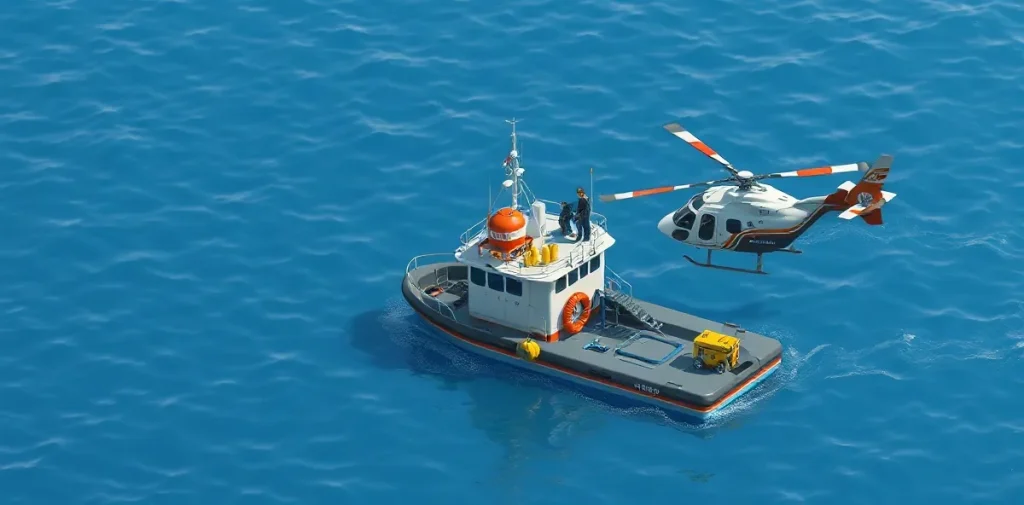
Coordination also involves arranging rapid transport to a recompression chamber. In coastal areas such as the Caribbean or the Red Sea, evacuation typically occurs via speedboat or helicopter. For example, the DAN Certified Recompression Chamber Network lists over 120 chambers worldwide, with an average transport time from dive sites ranging from 30 minutes to 2 hours, depending on location.
Steps for effective communication and evacuation
- Immediate notification of onshore medical support and hyperbaric facilities
- Activation of emergency medical services (EMS) and arranging evacuation transport
- Continuous monitoring and oxygen administration during transport
- Documentation of dive profiles and symptoms for medical review
| Transport Mode | Average Speed (km/h) | Typical Range (km) | Cost Range (USD) |
|---|---|---|---|
| Speedboat | 40–60 | 20–50 | 500–2000 |
| Helicopter | 150–250 | 100–300 | 3000–10000 |
| Ambulance (land) | 80–120 | Varies | 100–500 |
What are the key steps for onboard management before evacuation?
Before evacuation, managing the patient onboard involves continuous oxygen therapy, monitoring vital signs, and preventing dehydration. Administering 100% oxygen reduces inert gas bubbles, while hydration supports circulation. The dive boat’s emergency medical kit should include pulse oximeters and automated blood pressure monitors, typically costing between $50 and $200 each.
Stabilizing the diver also means avoiding physical exertion and keeping the patient warm but not overheated. The DAN Diving Emergency First Response Guidelines (2026) recommend no oral fluids if the patient is nauseated to prevent aspiration risks.
Onboard management checklist
- Administer continuous 100% oxygen via demand valve or non-rebreather mask
- Monitor vital signs: pulse, blood pressure, oxygen saturation
- Maintain supine position with slight elevation of legs if tolerated
- Provide intravenous fluids if trained personnel are available
- Prepare detailed documentation of dive profile and symptoms
What challenges arise during evacuation and how are they mitigated?
Evacuation presents challenges such as limited access to hyperbaric chambers, weather conditions, and transport availability. Remote dive sites may require air evacuation, which entails managing cabin pressure to avoid worsening symptoms. Helicopter evacuations often incorporate cabin altitude restrictions below 500 feet to minimize decompression risk.
Mitigation strategies include pre-arranged contracts with emergency medical transport services, use of portable hyperbaric chambers if available, and crew training. For instance, the SOS Hyperlite portable recompression chamber, costing upwards of $30,000, is deployed by some operators in high-risk areas.
How are dive profiles and symptom documentation used in treatment?
Detailed documentation of the dive profile and symptoms aids medical personnel in diagnosing and treating DCS effectively. Dive computers such as the Shearwater Teric or Garmin Descent Mk2i, popular in 2026, record depth, time, ascent rates, and gas mixtures, which help hyperbaric specialists tailor recompression schedules.
Symptom logs include onset time, severity, and progression, crucial for differentiating between Type I and Type II DCS and deciding treatment urgency. Accurate documentation can reduce recompression chamber time and improve outcomes.
- 100% oxygen administration rate critical in acute DCS management
- 30–120 minutes typical window for evacuation to recompression chamber
- Over 120 hyperbaric chambers globally available for DCS treatment
Frequently asked questions
What are the most common symptoms indicating decompression sickness?
How soon should oxygen be administered after suspecting DCS?
Is hyperbaric chamber treatment always necessary?
What equipment should a dive boat carry for DCS emergencies?
Key takeaways
- Immediate recognition and oxygen administration are vital in suspected DCS cases.
- Clear communication and rapid evacuation to hyperbaric chambers improve outcomes.
- Onboard monitoring stabilizes the patient and informs treatment decisions.
- Pre-arranged evacuation plans and trained crew minimize delays and complications.
- Accurate dive profile and symptom documentation are essential for effective medical management.
Conclusion
Managing a suspected decompression sickness incident on a dive boat requires swift and structured actions, beginning with rapid symptom recognition and oxygen administration. Effective communication with shore-based hyperbaric facilities and prompt evacuation are essential to reduce morbidity and improve recovery. Onboard stabilization and meticulous documentation support medical treatment. Preparing dive boats with suitable equipment and trained personnel, alongside pre-planned evacuation logistics, ensures that suspected DCS cases are handled efficiently and safely, safeguarding diver health and minimizing long-term effects.