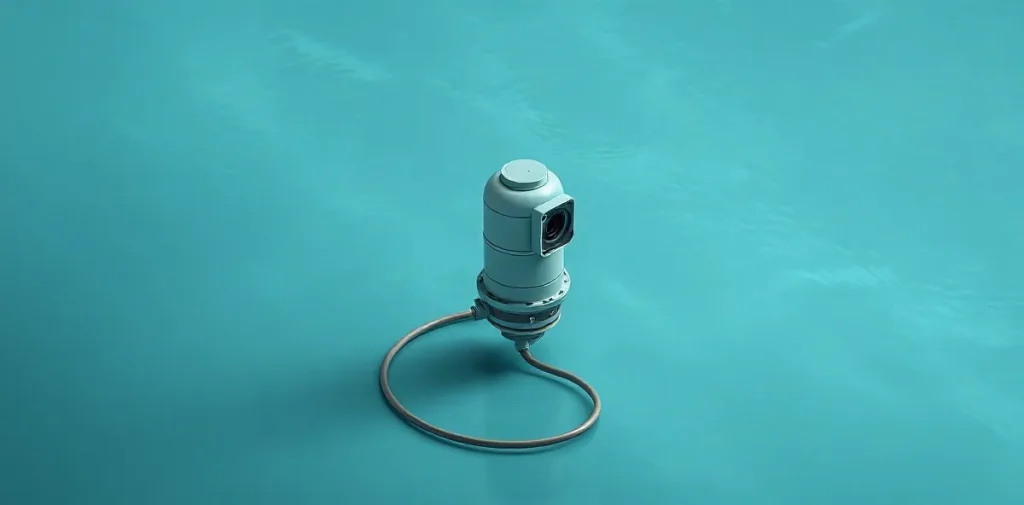
Ocean engineering research examines how people observe, work in and build for the marine environment. For divers, its questions reach beyond equipment: water pressure, currents, visibility, communications and the limits of human access all shape what can be done underwater and how safely.
What questions does ocean engineering address?
The field brings engineering problems into a setting where pressure increases with depth, seawater corrodes materials, and visibility and communication can be limited. Research may consider how underwater systems are designed, deployed and operated, and how they interact with the surrounding environment.
For diving, the important issue is often the interface between a person and a technical system. A sensor, vehicle, breathing apparatus or underwater structure must work under conditions that differ sharply from those at the surface; a failure can affect both the task and the diver’s ability to return safely.
How do pressure and the marine environment change the problem?
Ambient pressure rises as a diver descends. Gas spaces in the body and equipment respond to changes in pressure, while breathing gas must be supplied at a pressure appropriate to the surrounding water. These basic constraints connect ocean engineering with diving physiology and equipment design.
Seawater adds other demands. Corrosion, temperature, moving water and reduced visibility can affect materials and operations. A design that works in air may not work underwater, and a system’s performance can depend on depth, exposure time, task demands and the condition of the equipment.
- Pressure: affects gas spaces, equipment housings and the delivery of breathing gas.
- Human–system interaction: determines whether a diver can use equipment while managing workload and environmental stress.
- Marine exposure: includes corrosion, cold, currents and limited visibility.
- Operational access: concerns how people and instruments reach a site and remain able to work there.
How is this kind of research approached?
Ocean engineering questions can be examined through design analysis, controlled testing, field trials and measurements in the marine environment. The method depends on the question: researchers may assess a component under pressure, observe a system in realistic conditions, or measure how environmental factors affect its operation.
When people are involved, engineering observations need to be considered alongside physiology and task performance. A technically reliable system can still impose excessive workload, restrict movement or complicate an emergency response. The practical question is not simply whether equipment works, but whether the whole operation remains manageable for its users.
Why does this matter to divers and clinicians?
Divers depend on systems that must function in an environment that limits access to help and complicates communication. Understanding the engineering context helps divers, scientific teams and diving physicians assess how equipment, depth, workload and environmental exposure may combine to affect risk.
For hyperbaric clinicians, the connection is relevant when evaluating incidents involving equipment, gas delivery or underwater work. The medical picture may depend on the conditions of the dive and the systems in use, so technical details can be important when reconstructing what happened. A diving-medicine physician should assess individual health concerns and fitness to dive.
Where does the field meet other diving research?
Ocean engineering overlaps with equipment research, occupational diving, underwater observation and the physiology of pressure exposure. It also sits alongside work on breathing-gas quality and decompression: technical choices can shape exposure, while physiological limits constrain how a system can be used.
The result is a practical research area rather than a single narrow topic. Its questions matter whenever people rely on technology to work underwater, especially when conditions change with depth or the task leaves little room for equipment failure.
Frequently asked questions
Is ocean engineering the same as diving medicine?
Why does depth matter to underwater technology?
What should a diver do about a medical concern?
An original research-library explainer written by the Rubicon editors. It is not a summary of a specific publication.
Related reading on Rubicon
- Diving: Science, Practice, and Destinations
- Diving Science: Key Physiological and Environmental
- Diving: Exploring Underwater Activities, Science, and Safety
- The Science of Diving SSI: Education and Physiology Insights
- Rebreathers: Diving Science Research Summary
- Diving in Support of Buoy Engineering: RTEAM Project
- More on Diving Science
- Browse the Research Library