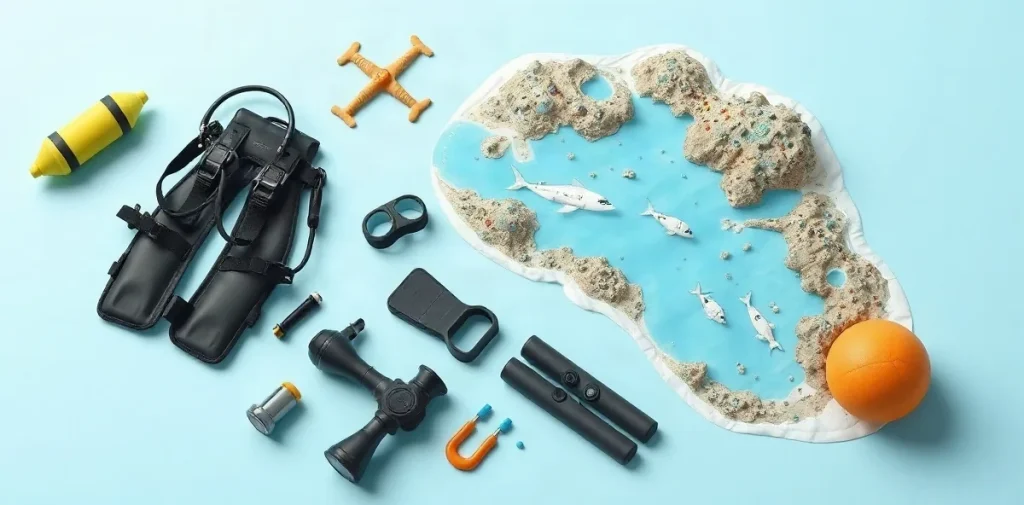
Diving essentials encompass mastering core techniques, choosing reliable gear, and selecting top destinations to ensure safe, enjoyable underwater experiences. Understanding these fundamentals provides a solid foundation whether you are a beginner or an advanced diver aiming to explore diverse marine environments.
Mastery of diving techniques and proper gear selection are critical to maximizing safety and comfort underwater. From buoyancy control and breathing methods to choosing the right wetsuit and dive computer, each element plays a vital role in your dive’s success. For those interested in detailed guidance, see our in-depth article on «Scuba Diving Techniques and Gear: Mastering the Fundamentals» and the comprehensive overview «Scuba Diving Equipment: Comprehensive Guide to Selection, Maintenance, and Innovation».
Choosing the right destination further elevates your diving experience. Whether you are drawn to the vibrant coral reefs of the Great Barrier Reef, the remote biodiversity of Raja Ampat, or the adrenaline of shark cage diving, each location demands specific equipment and preparation. To explore these options in detail, refer to our articles «Scuba Diving the Great Barrier Reef: Essential Gear and Environmental Considerations», «Exploring Raja Ampat Diving: Essential Equipment and Conditions for an Unforgettable Experience», and «Shark Cage Diving: Specialized Equipment and Safety Protocols for Close Encounters». For extended adventures, our guide on «Liveaboard Diving: Equipment Essentials and Tips for Extended Underwater Adventures» offers valuable insights.
| Equipment | Model | Price Range (USD) | Notable Feature |
|---|---|---|---|
| BCD | Scubapro Hydros Pro | 650–750 | Lightweight, adjustable fit |
| Regulator | Apeks XTX200 | 1,100–1,300 | Balanced first and second stages |
| Dive Computer | Suunto D5 | 600–700 | Multi-gas support, color display |
| Wetsuit | O’Neill 5mm | 150–350 | Flexible neoprene for temperate waters |
| Mask | Cressi Big Eyes Evolution | 65–75 | Wide field of view, silicone skirt |
- 4 kg Weight of a Scubapro Hydros Pro BCD
- $700 Approximate price of a quality BCD
- 5 mm Common wetsuit thickness for tropical diving
- 1966 Year PADI began standardized diver training
- 1,200 USD Retail price of Apeks XTX200 regulator
What are the fundamental scuba diving techniques every diver should master?
Buoyancy and Breathing
Mastering buoyancy control and breathing is essential for safe, efficient scuba diving. Using a Buoyancy Control Device (BCD) like the Scubapro Hydros Pro, which weighs approximately 4 kg and costs around $700, divers can finely adjust their buoyancy to hover or ascend smoothly. Proper use of the BCD prevents rapid depth changes and conserves energy underwater.
Breathing techniques emphasize slow, deep breaths to minimize nitrogen absorption and reduce decompression sickness risk. Since 1966, the Professional Association of Diving Instructors (PADI) has promoted this standard breathing rhythm, encouraging divers to avoid rapid or shallow breaths that increase nitrogen uptake and elevate fatigue. Controlled breathing also improves air consumption, extending dive time.
Equalization and Finning
Equalization is vital to prevent ear barotrauma caused by pressure changes during descent. Most entry-level courses teach the Valsalva maneuver, where divers pinch their nose and gently blow to equalize middle ear pressure. Mastery of this technique reduces discomfort and the risk of ear injury, especially when descending beyond shallow depths.
Efficient finning preserves energy and protects marine environments. Using fins like the Mares Avanti Quattro, priced near $200, divers can achieve powerful propulsion with less effort. Proper finning techniques involve slow, controlled kicks rather than fast, wide strokes, which reduces fatigue and minimizes sediment disturbance, helping maintain underwater visibility and ecosystem health.
Which scuba diving equipment is essential and what are current practical options?
Breathing and Monitoring Gear
Essential scuba diving equipment for air supply and dive monitoring includes reliable regulators and advanced dive computers. The Apeks XTX200 regulator, priced around $1,200, features balanced first and second stages ensuring consistent and smooth airflow at varying depths. For dive computers, the Suunto D5, retailing near $650, supports multiple gas mixes and incorporates safety stop timers, aiding divers in managing decompression and gas switching effectively.
Thermal Protection and Visibility
Thermal protection and clear vision underwater rely on suitable wetsuits and quality masks. A 5mm neoprene wetsuit from O’Neill, costing between $150 and $350, offers appropriate insulation for temperate water dives. Masks like the Cressi Big Eyes Evolution, generally available for about $70, combine tempered glass lenses with silicone skirts, providing durability and a comfortable, leak-resistant seal that enhances underwater visibility.
What are some specialized diving experiences and their equipment requirements?
Shark Cage and Liveaboard Diving
Specialized diving experiences like shark cage diving and liveaboard expeditions require specific equipment tailored to their unique conditions and safety needs. Shark cage diving demands reinforced steel cages and surface-supplied air systems, with operators adhering to safety protocols established by the International Marine Animal Trainers Association (IMATA) to minimize risks during encounters with large predators.
Liveaboard diving expeditions, often lasting multiple days, necessitate compact and durable gear suitable for extended use and limited storage. The Shearwater Perdix dive computer, retailing around $1,100, is favored for its reliability and battery life on such trips. Additionally, divers must carry redundant air supplies—such as pony bottles or twinsets—to ensure safety throughout multi-day voyages where immediate surface support may be delayed.
Technical and Tropical Diving
Technical diving involves deeper, longer, or more complex dives, requiring specialized equipment such as twinset tanks for extended gas supply and dry suits to maintain thermal protection in cold environments. Regulators used must comply with EN 250:2014 standards, ensuring functionality and safety in cold water conditions down to 4°C and below.
Tropical diving destinations like Raja Ampat present variable environmental challenges, including unpredictable weather and diverse underwater photography opportunities. Divers typically use robust waterproof camera housings rated to depths exceeding 60 meters and dry suits for thermal insulation. Many local dive shops provide rental gear to accommodate travelers, reducing the need to carry bulky equipment internationally.
Which popular scuba diving destinations offer unique equipment or environmental considerations?
Environmental Regulations
The Great Barrier Reef enforces strict environmental rules including a mandatory no-touch policy and the exclusive use of reef-safe sunscreens to protect its delicate ecosystem. Since 2020, Queensland Parks and Wildlife Service requires all divers to comply with these regulations to minimize coral damage and chemical pollution. Reef-safe sunscreens approved for use here avoid oxybenzone and octinoxate, substances linked to coral bleaching.
Logistical Preparations
- Raja Ampat’s remote location means divers must bring essential gear such as dive lights with at least 2 hours of burn time, since equipment rentals are limited or unavailable.
- In contrast, urban-adjacent destinations like the Florida Keys offer frequent equipment servicing and certified Nitrox fills that meet NOAA standards, ensuring reliable gas mixes for technical diving.
- Cold water diving destinations require specialized dry suits plus thermal undergarments, with full setups costing over $1,000, reflecting the need for insulation against temperatures often below 10°C.
What are the common limitations and mistakes divers face regarding equipment and technique?
Weighting and Maintenance
Overweighting is a common mistake divers make, causing unnecessary air consumption and impaired buoyancy control; correct weighting generally equals about 10% of the diver’s body weight, adjusted for wetsuit thickness. For example, a 70 kg diver wearing a 5 mm wetsuit typically requires 7 kg of lead, while a thicker 7 mm suit demands slightly more. Regular gear maintenance is equally vital, as neglect can lead to regulator failures underwater. Manufacturers such as Scubapro and Aqua Lung recommend annual servicing or after every 100 dives, whichever comes first, to ensure reliability and safety.
Adhering to Dive Computer Guidance
Ignoring dive computer safety stop alerts significantly raises the risk of decompression sickness, even with advanced devices like the Shearwater D5 providing clear, audible warnings. These computers monitor ascent rates and recommend safety stops, usually around 3 to 5 minutes at 5 meters depth, to allow safe nitrogen off-gassing. Additionally, using gear unsuited to dive conditions, such as thin 3 mm wetsuits in cold water below 20°C, increases hypothermia risk, underscoring the importance of matching equipment to the environment.
Frequently asked questions
How much does a complete beginner scuba diving gear setup typically cost?
What safety standards should I look for in dive computers?
Can I dive with a standard wetsuit in Raja Ampat?
Why is proper weighting so important underwater?
Key takeaways
- Master buoyancy and breathing for efficient, safe diving
- Choose regulators and dive computers suited to your dive style and environment
- Specialized dives require tailored equipment and adherence to safety protocols
- Popular dive sites have specific environmental rules and gear demands
- Regular equipment maintenance and proper weighting prevent common diving issues