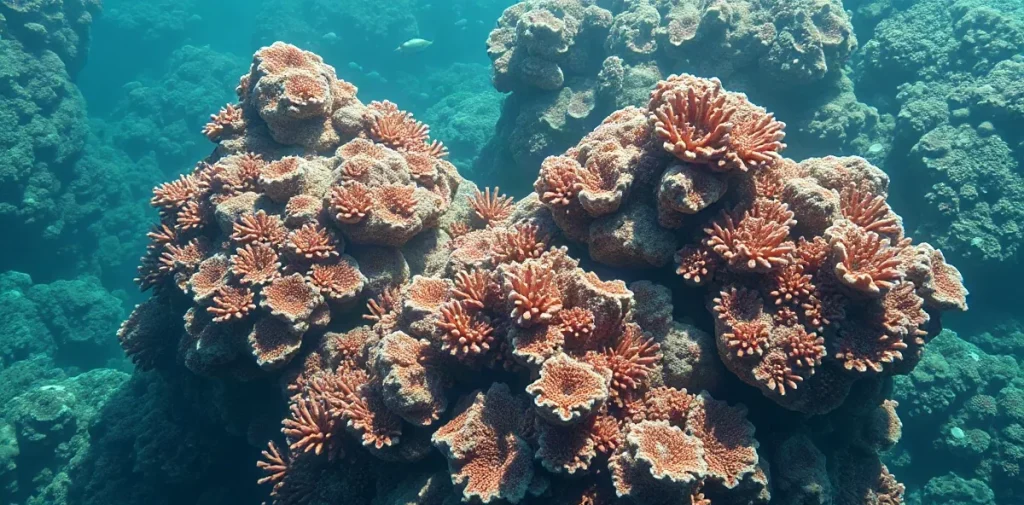
Diving in Raja Ampat requires careful attention to safety considerations and hazard awareness due to its remote location, variable sea conditions, and rich but sometimes challenging marine environment. Understanding local currents, marine life behavior, and emergency preparedness is essential for a safe and enjoyable diving experience in this renowned Indonesian archipelago.
The Raja Ampat region is celebrated worldwide for its extraordinary biodiversity and pristine coral reefs, attracting divers eager to explore its underwater wonders. However, the area’s remoteness and dynamic oceanographic features can present unique risks that demand thorough preparation and situational awareness. This article explores the key safety factors divers should keep in mind to navigate Raja Ampat’s waters responsibly and minimize potential hazards.
For divers seeking a deeper understanding of general diving risks and best safety practices, our detailed analysis in the article «Diving Safety: Comprehensive Insights into Diving Risks and Best Practices» provides valuable foundational knowledge. Building on that framework, this focused guide addresses the specific challenges and precautions relevant to Raja Ampat diving adventures.
| Device | Range | Price (USD) | Features |
|---|---|---|---|
| Satellite Phone (Iridium 9575) | Global | $1,500 | Voice, SMS, GPS tracking |
| VHF Radio (Icom IC-M93D) | Up to 20 nautical miles | $600 | DSC distress, GPS integration |
| Personal Locator Beacon (Garmin inReach Mini) | Global | $450 | SOS alert, two-way messaging |
| Mobile Phone (Local SIM) | Limited to populated areas | $50–$100 | Voice and SMS where coverage exists |
- 6 knots Maximum tidal current speed in Raja Ampat
- 27–30 °C Typical water temperature range year-round
- 6–12 hours Boat travel time for emergency evacuation to Sorong hospital
- $100–$150 Typical daily cost for guided dive trips including equipment rental
What are the main environmental hazards divers face in Raja Ampat?
Currents and Visibility
Divers in Raja Ampat must contend with strong tidal currents, especially around Dampier Strait, where speeds can reach up to 6 knots. Such currents require advanced planning and precise navigation to avoid being swept off dive sites. Visibility typically ranges from 15 to 30 meters, but it can diminish sharply during plankton blooms, significantly reducing sightlines and increasing disorientation risk.
Managing these environmental factors demands experience with dynamic water conditions and situational awareness. Dive operators often advise scheduling dives outside peak tidal flow periods and preparing for visibility drops that may last several days during seasonal plankton surges.
Thermal and Topographical Challenges
Raja Ampat’s water temperatures remain warm year-round, varying between 27°C and 30°C, which supports rich marine biodiversity but requires appropriate exposure protection to avoid thermal stress during longer dives. The coral reef structures feature sharp drop-offs and complex overhangs, demanding precise buoyancy control to prevent accidental contact or injury.
- Water temperature range: 27°C to 30°C year-round
- Coral reef drop-offs and overhangs require accurate buoyancy skills
These topographical features increase the risk of collision injuries or entanglement, making advanced diver certification and meticulous buoyancy management essential for safe exploration of Raja Ampat’s underwater terrain.
How should divers prepare for emergency situations given Raja Ampat's remoteness?
Evacuation Times
Due to Raja Ampat’s remote location, emergency evacuation to advanced medical care can take between 6 and 12 hours by boat to Sorong Regional Hospital, the nearest facility equipped for dive-related emergencies. This lengthy transit time underscores the critical importance of immediate onboard response and pre-planned evacuation protocols to mitigate risks during decompression illness or trauma incidents.
Critical Safety Equipment
- DAN Membership: Divers are strongly advised to maintain active membership with Divers Alert Network (DAN) to access emergency medical evacuation services tailored for remote diving locations.
- DAN-Approved Oxygen Kit: Dive boats should carry the Model O2 Rescue Kit 2026, a DAN-certified oxygen delivery system designed for rapid treatment of diving emergencies.
- Communication Devices: Operators typically equip vessels with satellite phones, enabling reliable contact with emergency services despite the absence of cellular coverage.
Which marine species in Raja Ampat pose safety risks to divers, and how to mitigate encounters?
Venomous Species
Stonefish (Synanceia spp.) and blue-ringed octopus (Hapalochlaena spp.) are the primary marine species in Raja Ampat that pose safety risks to divers due to their potent venom and neurotoxins. Stonefish are commonly found in shallow reef areas, camouflaged among rocks and coral, with venomous spines that can cause severe pain or even systemic effects if stepped on. Blue-ringed octopuses, though smaller and less conspicuous, carry a neurotoxin capable of causing paralysis and are known to inhabit crevices and reef flats.
Protective Measures
- Wearing protective footwear such as the Scubapro Reef Walker, priced between $50 and $80 per pair, significantly reduces the risk of stonefish stings by shielding feet from venomous spines.
- Avoiding contact with marine life is critical; dive operators like Papua Diving emphasize thorough pre-dive briefings that instruct divers to refrain from touching or disturbing any creatures to minimize incidents.
These measures, combined with situational awareness and adherence to guidance from experienced operators, form the cornerstone of safe diving practices in Raja Ampat’s biodiverse but potentially hazardous marine environment.
What are the recommended dive equipment and technology standards for Raja Ampat diving?
Tech and Gear Recommendations
For Raja Ampat diving, divers are strongly advised to use dive computers with real-time current alerts to navigate the area’s complex drift conditions safely. The Shearwater Perdix AI, retailing at approximately $1,200, is a recommended model offering advanced tracking of dive parameters and environmental changes. Additionally, carrying double tanks or redundant air supply systems is essential for drift dives common in Raja Ampat, ensuring sufficient breathing gas in strong currents or unexpected delays.
Regulatory Compliance
- Dive flags and surface marker buoys are mandatory under Indonesian Law No. 17/2008 to signal diver presence and enhance surface safety.
- Dive operators in Raja Ampat typically charge between $100 and $150 per day, which usually includes rental of essential equipment compliant with local regulations.
Adhering to these equipment standards and regulatory requirements not only enhances diver safety but also supports sustainable dive tourism practices in Raja Ampat’s sensitive marine environment.
When can Raja Ampat diving conditions become unsafe or unsuitable for recreational divers?
Seasonal Weather Risks
Diving conditions in Raja Ampat become unsafe primarily during the monsoon season, spanning December to March, when rough seas and high winds prevail. The Indonesian Meteorology, Climatology, and Geophysical Agency (BMKG) often issues poor weather warnings during this period. Following heavy rains, visibility deteriorates due to increased sediment and runoff, further compromising dive safety and enjoyment.
Current and Visibility Thresholds
- Currents exceeding 4 knots are generally regarded as beyond safe limits for recreational drift diving in Raja Ampat.
- Visibility dropping below 10 meters significantly increases risks, especially in combination with strong currents.
- Divers should avoid diving immediately after heavy rainfall events to minimize exposure to turbid water conditions and potential underwater hazards.
What common mistakes do divers make that increase safety risks in Raja Ampat?
Dive Planning Errors
Underestimating the strength of Raja Ampat’s ocean currents and ignoring decompression limits significantly increase diving safety risks. Currents in this region can exceed 3 knots, demanding thorough site-specific assessments prior to entry. Multi-level dive profiles common here often challenge standard no-decompression algorithms, making adherence to dive computer limits and dive tables essential to avoid decompression sickness.
- Current thresholds commonly reach 2–3 knots near coral walls and channels.
- Recommended no-decompression limits must consider repetitive and multi-level dives, with dive computers like the Shearwater Perdix AI supporting complex profiles.
Equipment and Protocol Oversights
Failing to carry a personal dive light during night dives and skipping pre-dive briefings that detail site hazards are prevalent mistakes. Lionfish and scorpionfish, both venomous and mostly nocturnal, become active after dark, requiring reliable illumination such as the Oceanic Halo 3 dive light priced around $150 to spot them safely. Additionally, neglecting to deploy surface marker buoys (SMBs) compromises diver visibility to boats in strong current zones, increasing risk during ascent and surface intervals.
- Use of SMBs, such as the Del Mar Ocean Signal SMB at approximately $80, is critical for safety in currents.
- Pre-dive briefings must explicitly cover local hazards, including marine life behavior and current changes, to prepare divers effectively.
Frequently asked questions
How strong can the currents get around Raja Ampat dive sites?
What emergency medical facilities are available near Raja Ampat?
Are there any mandatory regulations for diving gear in Raja Ampat?
What marine animals should divers be cautious of in Raja Ampat?
Key takeaways
- Currents up to 6 knots demand advanced drift diving skills and surface marker buoys.
- Emergency evacuation to Sorong hospital can take up to 12 hours by boat.
- Use DAN oxygen kits and carry satellite phones for remote safety assurance.
- Protective gear like Scubapro Reef Walker footwear mitigates venomous marine animal risks.
- Adherence to Indonesian Law No. 17/2008 on dive flags is mandatory.