
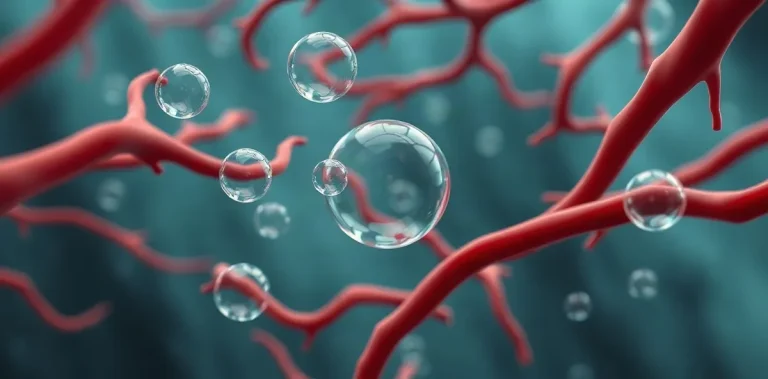
Microbubbles significantly influence decompression sickness risk by forming and growing in tissues; understanding their dynamics aids prevention and safer dive
Microbubbles significantly influence decompression sickness risk by forming and growing in tissues; understanding their dynamics aids prevention and safer dive
 Dive Medicine
  Dive Medicine
  Dive Medicine
  Dive Medicine
  Dive Medicine
  Dive Medicine
  Dive Medicine
  Dive Medicine
  Dive Medicine
  Dive Medicine
  Dive Medicine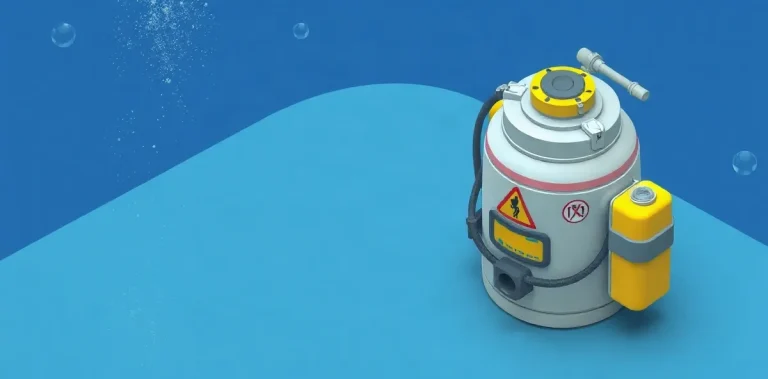
Learn to identify early symptoms of carbon monoxide poisoning from contaminated tank air and follow key prevention steps to ensure safe diving.

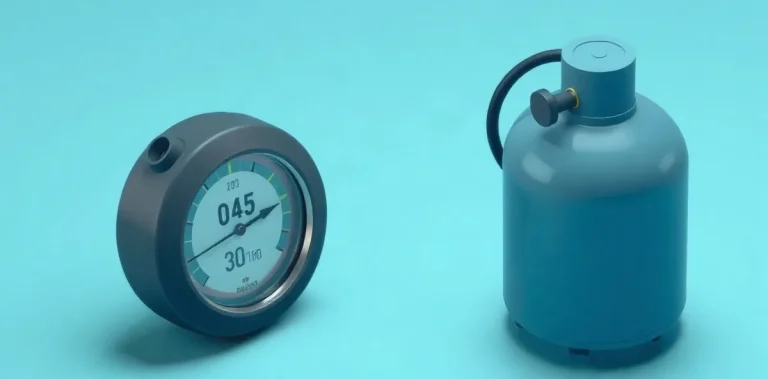
Understanding Boyle’s, Henry’s, and Dalton’s laws is key to safe dive profiles. Practical dive planning depends on gas behavior under pressure and decompression